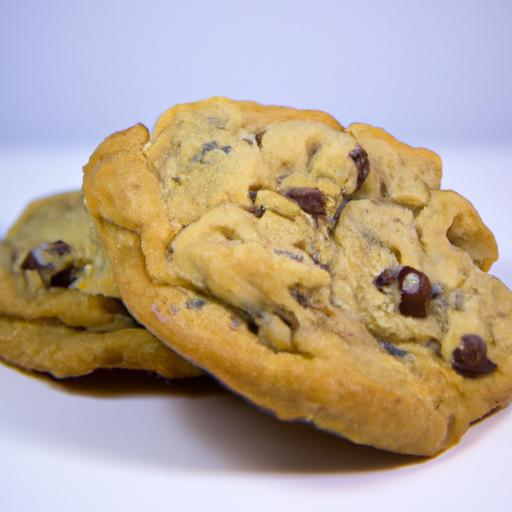

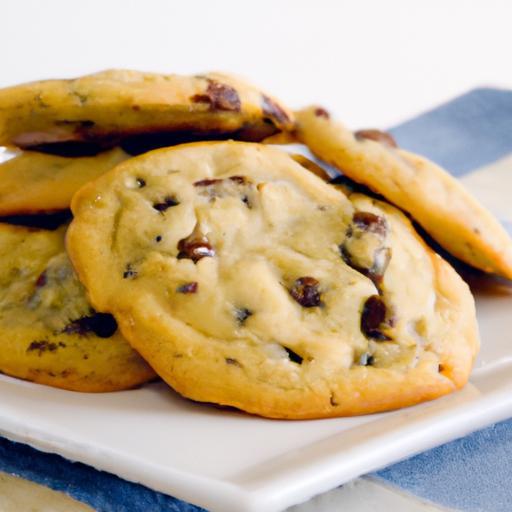
There’s a magical alchemy at work every time you bite into a perfect chocolate chip cookie-a delicate balance of ingredients, temperature, and time that transforms simple flour, sugar, and chocolate into a symphony of flavor and texture. Behind that irresistible crisp edge and gooey centre lies a world of chemistry and physics, where gluten advancement, sugar caramelization, and fat crystallization dance in harmony. In this article, we’ll unwrap the sweet science behind the cookie you thought you knew, revealing how understanding the tiny details can elevate your baking from ordinary to extraordinary. Get ready to discover why the perfect chocolate chip cookie isn’t just a treat-it’s a flavorful masterpiece engineered to delight. Chocolate Chip Cookies
Mastering the perfect chocolate chip cookie begins with understanding how each ingredient plays a crucial role in crafting the ideal texture and flavor. The Sweet Science Behind Perfect Chocolate Chip Cookies reveals that every component-from butter’s creaminess to the depth of brown sugar-works harmoniously to produce cookies that are irresistibly chewy, crisp, and rich. Grasping this science empowers you to tailor your cookies to your own taste and preferred crunch level. Chocolate Chip Cookies
Prep and cook Time
- preparation: 20 minutes
- Baking: 12-14 minutes
- Cooling: 15 minutes
- Total Time: Approximately 50 minutes
Yield
- Makes 24 classic-sized cookies
Difficulty Level
- Medium – ideal for those cozy with baking fundamentals
Ingredients
- 1 cup unsalted butter, softened to room temperature
- 3/4 cup granulated sugar
- 3/4 cup packed light brown sugar
- 2 large eggs, at room temperature
- 2 teaspoons pure vanilla extract
- 2 1/4 cups all-purpose flour, sifted
- 1 teaspoon baking soda
- 1/2 teaspoon fine sea salt
- 2 cups semi-sweet chocolate chips
- Optional: 1 cup chopped toasted walnuts or pecans
Instructions
- Preheat your oven to 350°F (175°C) and line two baking sheets with parchment paper or silicone baking mats for even baking.
- Cream together the softened butter, granulated sugar, and brown sugar in a large mixing bowl using an electric mixer. Beat on medium speed until light, fluffy, and pale, about 3-4 minutes.This aerates the dough, setting the stage for tender cookies.
- Mix in the eggs one at a time, ensuring each is fully incorporated before adding the next, than add the vanilla extract. Proper mixing here emulsifies the mixture, contributing to consistent crumb and flavor. Chocolate Chip Cookies
- In a separate bowl, whisk together the sifted flour, baking soda, and sea salt. This even distribution of leavening agents avoids unwanted pockets and supports uniform rising. Chocolate Chip Cookies
- Gradually add the dry ingredients to the wet mixture on low speed to prevent flour clouding, stopping once just combined. Overmixing can develop gluten, causing tough cookies.http://Chocolate Chip Cookies
- Fold in the chocolate chips (and nuts if using) gently with a spatula, preserving that delightful distribution which ensures every bite is full of melty chips and crunchy bits.http://Chocolate Chip Cookies
- Scoop dough using a cookie scoop or tablespoon onto the prepared sheets spaced 2 inches apart to allow spreading.
- Bake in the preheated oven for 12-14 minutes, rotating the trays halfway through. The edges should be golden brown,yet centers soft – they continue to firm while cooling. Chocolate Chip Cookies
- Remove cookies from the oven and allow them to cool on baking sheets for 5 minutes before transferring to a wire rack to cool completely. This resting period sets the texture perfectly. Chocolate Chip Cookies
Tips for Success
- Butter temperature: Using room temperature butter-not melted-ensures optimal creaming and texture balance, lending chewiness without greasiness.
- Sweetness customization: Adjust the brown sugar up or down to shift tenderness and caramel notes. Brown sugar adds moisture and chew, while granulated sugar gives crispness.
- Mixing method: Don’t overmix once flour is added to avoid dense cookies. The goal is tender, not tough.
- Add-ins variations: Try bittersweet chocolate chunks or a sprinkle of flaky sea salt atop for flavor contrast and visual appeal.
- Make-ahead dough: Chill dough up to 24 hours tightly wrapped to deepen flavor and reduce spreading during baking.
Serving Suggestions
serve your cookies slightly warm for gooey chocolate meltdowns, paired perfectly with a cold glass of whole milk or a rich coffee. For an elevated treat, sandwich two cookies with whipped cream or vanilla ice cream. Garnish with a light dusting of powdered sugar or a sprinkle of coarse sea salt to enhance both crunch and flavor.

| nutrition Per Cookie | Calories | Protein | Carbs | Fat |
|---|---|---|---|---|
| classic Chocolate Chip | 190 kcal | 2 g | 25 g | 9 g |
For more tips on perfecting your baking skills, explore our Ultimate Guide to Baking Basics. To understand the science behind sugar caramelization and its impact on texture, visit the Serious Eats baking series.
Q&A
Q&A: The Sweet Science behind Perfect chocolate Chip Cookies
Q1: What exactly makes a chocolate chip cookie “perfect”?
A1: The perfect chocolate chip cookie is a harmonious blend of texture, flavor, and aroma. It’s that magical balance where the edges are crisp, the center is chewy or gooey (depending on your preference), and every bite delivers pockets of melty chocolate surrounded by buttery, sweet dough. It’s both an art and a science-where ingredient ratios and baking techniques create delicious chemistry.
Q2: How does the ratio of ingredients affect the texture of cookies?
A2: Ingredient ratios are the secret recipe behind cookie personality. More butter typically means a softer, chewier cookie, while less butter can create a cakier or crunchier texture. Sugar types matter too: white sugar contributes to crispiness, while brown sugar adds moisture and chewiness thanks to its molasses content. Flour provides structure-too much yields dense cookies, too little results in spread-out discs. Even eggs, acting as binders and moisture providers, influence tenderness and rise.
Q3: Why is chilling the dough often recommended?
A3: Chilling the dough isn’t just about patience-it’s about controlling chemistry. When the dough cools, fats solidify, which slows cookie spread during baking. This results in thicker, fluffier cookies with a better texture. Also, chilling allows flour to fully hydrate and flavors to meld, intensifying the cookie’s richness and depth.
Q4: How does baking temperature impact cookie outcome?
A4: Temperature is a cookie’s heartbeat.Baking at a higher temperature (around 375°F/190°C) promotes rapid spreading and crisp edges while keeping the center soft. A lower temperature (around 325°F/160°C) encourages even baking and a cakier texture. Because cookies cook quickly, minute changes can create big texture differences-from chewy to crunchy to cakey-all dictated by heat.
Q5: What role do chocolate chips play beyond flavor?
A5: Chocolate chips are both tasty inclusions and texture players.As they melt,they create molten pockets of sweetness that contrast with the cookie’s structure. They can also influence moisture-more chips can mean a gooier cookie overall. The type of chocolate matters too; darker chips bring depth and bitterness, while milk chocolate adds creaminess, and white chocolate lends sweet, buttery notes. Chocolate Chip Cookies
Q6: can the type of flour truly change the cookie?
A6: Absolutely. All-purpose flour is the standard for its balanced protein content, offering good structure. Bread flour, higher in gluten, makes chewier cookies with more bite. Cake flour, low in protein, creates tender, delicate cookies that are lighter and softer.The gluten development in flour interacts with other ingredients to define crumb and chew. Chocolate Chip Cookies
Q7: Is it really science or just experiance?
A7: It’s both! Baking cookies is an edible experiment in chemistry and physics-where heat, moisture, fat, and sugar interact in predictable ways. Yet,intuition and practice guide the nuances-like knowing when to pull that tray out of the oven for peak gooeyness. Understanding the science makes mastering the experience almost effortless and infinitely delicious. Chocolate Chip Cookies
Q8: Any pro tips for elevating homemade chocolate chip cookies?
A8: Absolutely! Use high-quality butter and chocolate for richer flavors. Don’t underestimate the power of salt-a sprinkle of flaky sea salt atop warm cookies awakens complexity and tempers sweetness. Experiment with chilling times and baking temps to find your perfect texture. Lastly, embrace imperfections-those irregular shapes and gooey centers are the hallmarks of homemade magic. Chocolate Chip Cookies
Unlocking the science behind chocolate chip cookies turns baking from guesswork into a delicious experiment-ensuring that every batch is a sweet success.
Final Thoughts
As the last crumb melts on your tongue,remember that the perfect chocolate chip cookie is no accident-it’s the delicious result of science at work. From the precise dance of sugars caramelizing to the tender embrace of gluten development, each ingredient and technique plays its part in crafting that beloved bite. So next time you pull a batch from the oven, savor not just the cookie, but the sweet symphony of chemistry and passion that made it possible. After all, in the world of baking, understanding the science is the secret ingredient to cookie perfection.http://Chocolate Chip Cookies