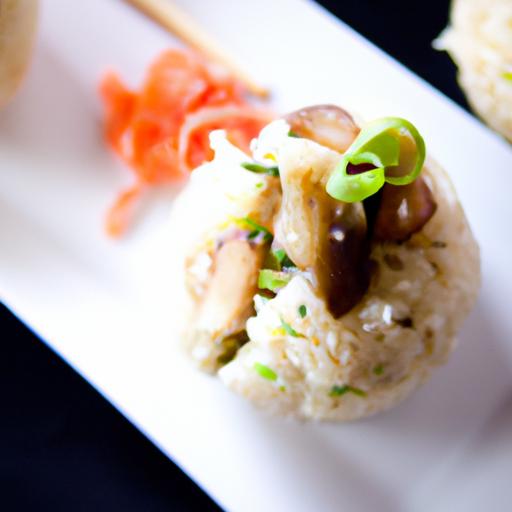

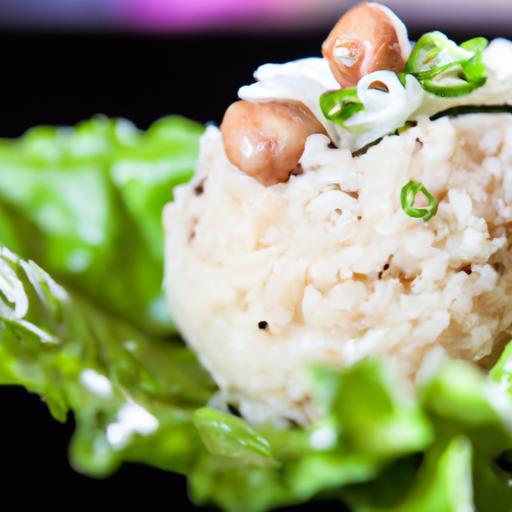
There’s somthing magical about the humble rice ball-its simple, unassuming shape concealing a world of flavors waiting to be discovered with every bite.From the shores of Japan to the bustling streets of Korea,rice balls have long been a beloved staple,cherished not just for their comforting texture but for the delightful surprises nestled at their core. In this journey inside the bite, we’ll unravel the artistry and tradition behind these handheld treasures, exploring a vibrant medley of fillings that range from savory and spicy to sweet and unexpected. Whether you’re a seasoned foodie or a curious newcomer, join us as we delve into the delicious heart of rice balls and uncover the tastes that make each one a unique culinary story.
Inside the Bite: Exploring Delightful Rice Ball Fillings
Inside the bite of a perfectly crafted rice ball, you’ll find a world of flavors reflecting centuries of tradition while embracing bold, unexpected ingredients. This journey will introduce you to the core elements that make rice balls a beloved snack across cultures, while inspiring you to elevate your own creations with complementary dips, sides, and fillings made from scratch.Whether you favor the classic comforting notes or relish surprising flavor combos, this guide unlocks the secrets to mastering delightful rice ball fillings at home.
Prep and Cook Time
- Readiness: 25 minutes
- Cooking: 20 minutes
- Total Time: 45 minutes
Yield
8 medium-sized rice balls (serves 4)
Difficulty Level
Medium – Ideal for home cooks ready to experiment beyond basic fillings
Ingredients
- 2 cups Japanese short-grain rice, rinsed and drained
- 2 ½ cups water
- 2 tablespoons rice vinegar
- 1 teaspoon sugar
- 1 teaspoon salt
- 150 grams cooked salmon flakes (traditional filling)
- ½ cup finely chopped pickled umeboshi plums (optional, for a tangy twist)
- ½ cup grated aged cheddar cheese (unexpected ingredient)
- 1 sheet nori, cut into strips
- Sesame seeds, toasted (for garnish)
- For dipping sauces: Soy sauce, spicy mayo, and ponzu (optional)
instructions
- Cook the rice: In a rice cooker or heavy-bottom pot, combine the rinsed rice and water. Bring to a boil,then reduce to low heat,cover,and simmer for 15 minutes. Remove from heat and let it steam for another 10 minutes without lifting the lid.
- Season the rice: In a small bowl, mix rice vinegar, sugar, and salt until dissolved. gently fold this seasoning into the warm rice using a wooden spatula, taking care not to mash the grains.
- Prepare fillings: Divide the salmon flakes in half. To one half, mix in the finely chopped pickled umeboshi plums for an acidic contrast. For a modern fusion,incorporate aged cheddar cheese into the other half,creating a melty surprise inside the rice ball.
- Form the rice balls: Wet your hands lightly with salted water to prevent sticking. Take about ½ cup of rice, flatten it on your palm, place a spoonful of the chosen filling in the center, and gently mold the rice around the filling into a tight triangle or ball shape. Repeat with the remaining rice and fillings.
- Wrap and garnish: Wrap each rice ball with a strip of nori to hold its shape and add a subtle umami flavor. Finish by sprinkling toasted sesame seeds on top for texture and visual appeal.
- Serve: Arrange rice balls on a plate alongside your choice of complementary dipping sauces like soy sauce, spicy mayo, or tangy ponzu. These add layers of flavor and allow guests to customize each bite.
Tips for Success: Crafting the Perfect Rice Ball Filling at Home
- Always rinse short-grain rice thoroughly to remove excess starch, resulting in perfectly sticky but not gummy rice-a key for forming sturdy rice balls.
- Keep your hands wet and lightly salted when shaping rice balls to prevent sticking and season the rice evenly.
- Don’t overfill; too much filling can cause the rice ball to fall apart. A tablespoon of filling is the ideal amount.
- For delicious vegetarian or vegan options, replace fillings with pickled vegetables, sautéed shiitake mushrooms, or mashed edamame mixed with a touch of miso paste.
- Rice balls can be made ahead and kept wrapped in plastic film at room temperature for up to 4 hours, or refrigerated for up to 24 hours before serving-reheat in a steamer for best texture.
Traditional flavors That Define Classic Rice Balls
Rooted deeply in Japanese food culture, classic rice balls frequently enough meld simple yet robust flavors-salty umeboshi plums, savory grilled salmon, and just a whisper of soy sauce. These ingredients highlight umami in its purest form, letting the rice’s natural sweetness shine. Visually, the crisp nori wrap contrasts beautifully against the pearly grains, creating an iconic silhouette that’s both inviting and nostalgic.
unexpected Ingredients Elevating Modern Rice Ball Creations
Modern twists breathe new life into this age-old snack by incorporating bold flavors and textures.Imagine melted aged cheddar oozing from a warm rice ball or a surprising crunch from toasted nuts mixed within the filling.Other innovative additions include spicy kimchi, curry powder, or even whipped goat cheese, demonstrating how versatile rice balls can be. Each innovative ingredient creates a sensory surprise, making the rice ball a perfect canvas for culinary creativity.
Pairing Rice Balls with Complementary Dips and Sides
complementing rice balls with the right dips and sides can transform your snack into a full-fledged meal. classic soy sauce offers a salty depth, while a tangy ponzu sauce introduces citrus brightness. For a creamy kick, spicy mayo made from mayo and sriracha balances heat and richness.Accompany these with miso soup or a crisp seaweed salad for a harmonious meal that celebrates the balance of flavors and textures.
Chef’s Notes
- Rice type matters: While Japanese short-grain rice is preferred for its stickiness, you can experiment with other medium-grain varieties to cater to local availability.
- Storage tips: Avoid refrigerating rice balls too long, as cold rice becomes hard. Re-steam or microwave them wrapped in a damp paper towel to regain softness.
- Visual appeal: Try colorful fillings like diced bell peppers or finely shredded carrot for a pop of colour inside each rice ball,creating exciting visual layers when bitten into.
- Gluten-free option: Substitute soy sauce with tamari or coconut aminos for a gluten-free dipping sauce.
Serving Suggestions
Serve your rice balls on a rustic wooden board or a delicate ceramic plate,adorned with fresh shiso leaves or microgreens for a burst of freshness. Add a sprinkle of toasted sesame seeds or furikake seasoning on top for an extra flavor kick and color contrast. Present alongside small bowls of dipping sauces, chopsticks resting artfully, to encourage interactive dining. Paired with a chilled green tea or a light sake, these rice balls become a refined yet comforting dish perfect for any occasion.
| Nutritional Information (per rice ball) | Amount |
|---|---|
| Calories | 180 kcal |
| Protein | 7 g |
| Carbohydrates | 28 g |
| Fat | 4 g |

For further exploration of traditional Japanese snacks,visit our detailed guide on Traditional and Modern Japanese Snacks.Thorough cultural context and innovative recipes await you.
Expand your knowledge on rice cultivation and its culinary uses with this authoritative resource from the FAO Rice Portal, offering insights into rice’s global importance and variety spectrum.
Q&A
Q&A: Inside the Bite – Exploring Delightful Rice Ball Fillings
Q1: what makes rice balls an enduring favorite across cultures?
A1: Rice balls captivate with their perfect harmony of simplicity and surprise. Their handheld size makes them snackable, but it’s the fillings-bursting with flavor-that truly tell the story. From savory twists to sweet secrets, rice balls offer endless possibilities, inviting both tradition and innovation in every bite.
Q2: What are some classic rice ball fillings that have stood the test of time?
A2: Classic fillings frequently enough reflect their cultural roots.In Japan, the beloved onigiri features fillings like salty umeboshi (pickled plum), tender grilled salmon, or savory kombu seaweed.These staples balance salty, sour, and umami notes, creating a nostalgic and satisfying experience.
Q3: How do regional ingredients shape rice ball fillings?
A3: Regional flair blossoms through local ingredients. Such as, in Korea, jumeokbap might be stuffed with spicy kimchi or marinated beef, showcasing bold and vibrant flavors. In Southern Italy,rice balls (arancini) surprise with ragù or mozzarella cores,turning rice into a comforting,melty delight.
Q4: Can rice balls satisfy sweet cravings too?
A4: Absolutely! Sweet rice balls are a delightful twist. Mochi-style rice balls can be filled with red bean paste or sweetened black sesame, offering a chewy texture paired with gentle sweetness. These treats bridge the gap between a dessert and a snack, highlighting rice’s versatility.
Q5: how are modern chefs reinventing rice ball fillings today?
A5: Contemporary chefs are pushing boundaries by experimenting with fusion flavors and textures. Imagine a rice ball filled with spicy tuna tartare, avocado, and a drizzle of wasabi mayo, or a vegetarian version bursting with roasted pumpkin and sage. This playful creativity keeps rice balls fresh and exciting for new generations.
Q6: What tips can help someone craft the perfect rice ball filling at home?
A6: Balance is key! Aim for fillings that complement, not overpower, the delicate rice. Use ingredients that hold together well and add moisture or texture contrast-think creamy avocado, crunchy nuts, or tangy pickles. And don’t forget seasoning: a touch of salt or soy sauce can elevate the humble ingredients into a harmonious bite.
Q7: Why do rice ball fillings hold cultural significance beyond flavor?
A7: Fillings are often steeped in heritage and memories, symbolizing hometown pride or family traditions.The choice of filling can reflect seasonal harvests, regional identity, or a loved one’s recipe passed down through generations, turning each rice ball into a story wrapped in a modest package.
Q8: What’s the best way to enjoy rice balls to fully appreciate their fillings?
A8: Savoring a rice ball means embracing the contrast between the soft, slightly sticky rice and the rich or tangy center. Bite through the exterior to reveal the filling’s surprise, letting flavors meld on your tongue. Pair with green tea or a light broth to cleanse the palate, and you’re set for a truly gratifying experience.
Inside every rice ball lies a world of taste waiting to be discovered. Whether traditional or daring,simple or sumptuous,the fillings inside these tiny treasures invite us to explore culture,creativity,and comfort – one bite at a time.
Closing Remarks
As we close the savory pages of our journey through delightful rice ball fillings, one thing becomes clear: these small, unassuming morsels hold a world of flavor waiting to be discovered. From traditional treasures to inventive twists, each filling tells a story-of culture, comfort, and culinary creativity. Whether you prefer the salty embrace of seaweed and pickled plum or crave the sweet surprise nestled within,rice balls invite us to explore taste one bite at a time. So next time you unwrap one of these humble delights, remember-you’re not just savoring a snack, you’re experiencing a rich tapestry of flavor, history, and inventiveness rolled into every bite.