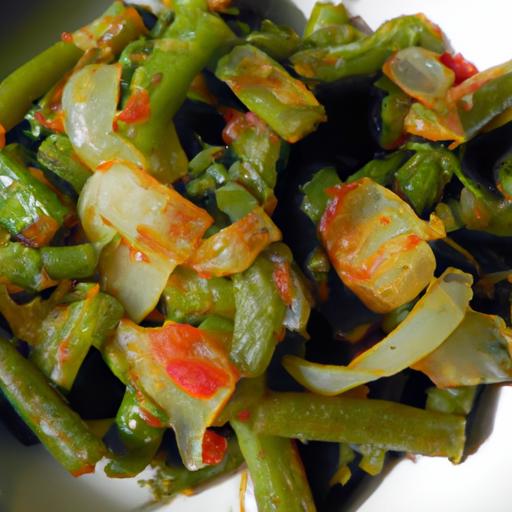

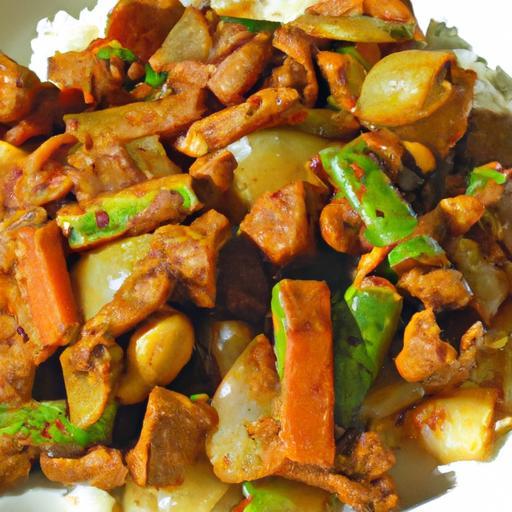
Step into a world where tradition meets innovation, and every bite bursts with color, aroma, and zest. Indian cuisine, famed for its rich tapestry of spices and textures, has long enchanted food lovers around the globe. Now, imagine experiencing these vibrant flavors through the lens of vegan cooking-plant-based, wholesome, and irresistibly delicious. In this article,we invite you to discover vibrant vegan Indian recipes that are not only flavorful but also easy to prepare. Whether you’re a seasoned cook or a curious beginner, these dishes promise to bring the soul of India to your kitchen while embracing compassionate, healthy eating. Get ready to awaken your palate and elevate your mealtime with these delightful, nourishing creations!Vegan Indian Recipes
Discover Vibrant Vegan Indian Recipes: Flavorful & Easy
Discover vibrant vegan Indian recipes: flavorful & easy offers an unforgettable journey through the rich spices and simple cooking techniques that define authentic indian cuisine. Drawing from my years as a culinary content creator and food stylist,I’ve learned that mastering the balance of spices like cumin,coriander,turmeric,and asafoetida can elevate plant-based dishes into a symphony of taste and aroma. Whether you’re recreating a street-style chana masala or a fragrant vegetable biryani, these dishes capture India’s regional diversity with accessible ingredients and techniques anyone can master.Vegan Indian Recipes
Prep and Cook Time
- Preparation Time: 15 minutes
- Cooking Time: 30 minutes
- Total Time: 45 minutes
Yield
4 generous servings
Difficulty Level
Easy to Medium – perfect for home cooks eager to delve into vegan Indian cooking.
Ingredients
- 2 cups cooked chickpeas (or 1 can, drained and rinsed)
- 1 large onion, finely chopped
- 2 medium tomatoes, pureed
- 3 cloves garlic, minced
- 1-inch piece of ginger, grated
- 2 tablespoons vegetable oil or mustard oil for authentic flavor
- 1 teaspoon cumin seeds
- 1 teaspoon coriander powder
- 1 teaspoon turmeric powder
- 1 teaspoon garam masala
- 1/2 teaspoon red chili powder, adjust to taste
- 1/4 teaspoon asafoetida (hing), optional but recommended
- Salt, to taste
- Fresh cilantro, finely chopped for garnish
- Juice of half a lemon
- 1/2 cup water, or as needed
Instructions
- Heat the oil in a heavy-bottomed pan over medium heat. Add the cumin seeds and let them sizzle until fragrant, about 30 seconds. This step unlocks the seed’s nutty aroma.
- add the asafoetida if using, instantly followed by the chopped onions. Sauté until golden brown, about 7-8 minutes, stirring occasionally to develop natural sweetness.
- Stir in the garlic and ginger. cook for 2 minutes until aromatic but be careful not to burn it.
- Add the pureed tomatoes,turmeric,coriander powder,and red chili powder. Cook down the mixture, stirring frequently, until the oil starts separating on the sides, about 8 minutes. This is where layers of flavor develop.
- Mix in the cooked chickpeas,salt,and water. Simmer gently for 10-12 minutes, allowing the chickpeas to absorb the spiced gravy.
- Sprinkle garam masala and squeeze in the lemon juice. Stir well and adjust seasoning.
- turn off heat and garnish generously with fresh cilantro. Serve hot with steamed basmati rice or fresh vegan naan.
Chef’s Notes: Tips for Success
- Freshness counts: use fresh whole spices whenever possible and toast them lightly before grinding for maximum aroma.
- tomato tips: If tomatoes are too acidic, add a pinch of sugar or swap for roasted tomatoes for a smoky dimension.
- Chickpea swap: Black chickpeas (kala chana) can be used for a nuttier bite and firmer texture.
- Make-ahead: This dish tastes even better the next day after the flavors meld. Store covered in the fridge for up to 3 days.
- Oil choice: Mustard oil imparts a traditional pungency, but vegetable or sunflower oil works for a milder profile.
Serving Suggestions
Plate this hearty vegan curry alongside a vibrant cucumber raita made with coconut yogurt and fluffy vegan basmati rice for a balanced, colorful meal. A scattering of toasted cashews or fresh pomegranate seeds adds delightful texture and pops of color. For an authentic touch,serve with soft vegan naan bread, perfect for scooping every bit of the rich sauce.

| Nutritional Info (per serving) | Calories | Protein (g) | Carbohydrates (g) | Fat (g) |
|---|---|---|---|---|
| Chickpea Curry | 320 | 15 | 40 | 9 |
Embracing the robust spices and simple techniques in these vegan Indian recipes will ignite your culinary creativity. By sourcing fresh ingredients and respecting the balance of spices, you’ll unlock authentic, vibrant flavors that bring the soul of India right to your kitchen table.http://Vegan Indian Recipes
Q&A
Q&A: Discover Vibrant Vegan Indian Recipes: Flavorful & Easy
Q1: What makes indian cuisine ideal for vegan cooking?
A: Indian cuisine naturally embraces plant-based ingredients, relying heavily on legumes, vegetables, grains, and aromatic spices. Many traditional dishes are inherently vegan or can be easily adapted, making India a treasure trove for vibrant, flavorful, and wholesome vegan meals.
Q2: How can I add authentic Indian flavor without using dairy or ghee?
A: To mimic the richness of dairy or ghee, try using coconut oil, mustard oil, or neutral vegetable oils infused with cumin seeds. Nutritional yeast can add a subtle cheesy depth. The secret lies in layering spices-turmeric, coriander, garam masala, and fresh ginger-carefully tempered in oil to awaken their essence.
Q3: What are some must-try beginner-amiable vegan Indian dishes?
A: Start simple with dishes like Chana Masala (spiced chickpea curry), Aloo Gobi (potato and cauliflower stir-fry), and Dal Tadka (lentil stew). These recipes use pantry staples and bold spices but remain accessible in preparation and flavor.http://Vegan Indian Recipes
Q4: How do Indian spices enhance vegan recipes?
A: indian spices transform humble vegetables and legumes into a symphony of taste. Such as, cumin adds earthiness, turmeric offers warmth and color, and garam masala provides complexity. Using whole spices and toasting them before grinding releases their oils for more vibrant flavors.Q5: Can traditional Indian bread be made vegan?
A: Absolutely! Many Indian breads like roti and chapati are naturally vegan-made simply with flour, water, and salt. For richer varieties like naan, which often includes yogurt or butter, try substituting with plant-based yogurt and brushing with vegan butter or olive oil.Vegan Indian Recipes
Q6: Are these recipes time-consuming or require exotic ingredients?
A: Not at all. Many Indian vegan dishes come together quickly, especially those relying on lentils and fresh vegetables. most spices are common in global supermarkets, and lentils, rice, and legumes are pantry staples. The key is to layer flavors and enjoy the cooking process.Q7: How can I make my vegan Indian meals more colorful and nutritious?
A: Indian cooking encourages using a rainbow of vegetables-spinach, eggplant, carrots, peas, tomatoes-each adding vibrant color and nutritional value. Including a variety of pulses boosts protein content. Garnishing with fresh cilantro, lime juice, and toasted seeds brings freshness and texture.http://Vegan Indian Recipes
Q8: Where can I find inspiration to explore more vegan indian recipes?
A: Cookbooks by renowned Indian chefs, vegan food blogs, and YouTube channels specializing in plant-based Indian cuisine are excellent resources. Experimenting with regional dishes like South Indian dosa or Bengali vegetable stews can open new flavor horizons.Vegan Indian Recipes
Q9: How does embracing vegan Indian cuisine benefit the environment and health?
A: Plant-based Indian meals reduce reliance on animal products,lowering carbon footprints and conserving resources. Nutritionally, they are rich in fiber, antioxidants, and essential vitamins-promoting heart health, digestion, and overall wellness, all while delighting your palate.Vegan Indian Recipes
Q10: What is the best way to start incorporating vibrant vegan Indian recipes into my weekly meals?
A: Begin by choosing one or two simple dishes to add variety and flavor-perhaps a lentil curry or vegetable biryani. Stock your spice cabinet with essentials, prepare sauces and bases in advance, and pair meals with easy staples like basmati rice or roti. This way, vibrant vegan Indian cooking becomes an exciting and sustainable habit.Vegan Indian Recipes
To Conclude
Embarking on a journey through vibrant vegan indian recipes unlocks a world where bold spices, fresh ingredients, and rich traditions come together in perfect harmony.Whether you’re a seasoned vegan or simply curious to explore plant-based flavors, these dishes offer a delightful blend of taste and nutrition that’s both accessible and inspiring. So, gather your spices, embrace the colorful palette of ingredients, and let each recipe transport you to the heart of India’s culinary heritage-proving that vibrant, flavorful vegan cooking can be effortlessly simple and endlessly satisfying. Your kitchen adventure awaits!Vegan Indian Recipes