
 If you’ve ever wished you could capture the vibrant,mouthwatering flavors of a Thai street market without leaving yoru kitchen,this Speedy & Simple Pad Thai Recipe is your golden ticket. Bursting wiht the perfect balance of tangy tamarind, savory soy, and a hint of sweetness, Pad Thai is more than just a meal-it’s a celebration of flavor in every bite. Whether you’re a seasoned cook or a curious foodie looking to try something new, this easy-to-follow recipe will have you whipping up restaurant-quality Pad Thai in no time, turning ordinary weeknights into a delicious adventure. Get ready to experience a symphony of tastes and textures that will make your taste buds dance!Pad Thai
Quick & Simple Pad Thai Recipe: Flavor in Every Bite captures the heart of Thailand’s vibrant street food culture and brings it right into your kitchen. This iconic dish is a perfect harmony of sweet, salty, tangy, and umami flavors, crafted through a delicate balance of fresh ingredients that make every forkful a celebration. Whether you’re a seasoned home cook or exploring Thai cuisine for the first time, mastering this recipe empowers you to create an authentic Pad Thai experience any day of the week.Pad Thai
Prep and Cook Time
- Preparation: 15 minutes
- cooking: 10 minutes
- Total Time: 25 minutes
Yield
Serves 4 generous portions
Difficulty Level
Easy to Medium – approachable for beginners with simple techniques
Ingredients That bring Authentic Thai Flavors to Your Kitchen
- 8 oz (225g) dried rice stick noodles – thin to medium width for perfect texture
- 2 tablespoons tamarind paste – the soul of Pad Thai’s tanginess
- 3 tablespoons fish sauce – adds savory depth and authentic saltiness
- 2 tablespoons palm sugar (or light brown sugar) – balances acidity with mellow sweetness
- 2 tablespoons vegetable oil – neutral-flavored for frying
- 3 cloves garlic, finely minced – fragrant aromatics
- 2 large eggs – for richness and binding
- 8 oz (225g) shrimp, chicken, or tofu – your choice of protein
- 1 cup bean sprouts – fresh crunch and lightness
- 3 green onions, sliced – radiant, subtly oniony notes
- 1/3 cup crushed roasted peanuts – essential texture contrast
- 1/2 cup fresh cilantro leaves – fresh herbal brightness
- 1 lime, cut into wedges – to finish with a zesty splash
- Dried chili flakes (optional) – mild kick for heat lovers
Step-by-Step Guide to Perfectly Balanced Pad Thai Every Time
- Prepare the rice noodles: Soak the dried noodles in warm water for 25-30 minutes until pliable but still firm to the bite. Drain and set aside to prevent over-softening.Pad Thai
- Mix the sauce: In a small bowl, whisk tamarind paste, fish sauce, and palm sugar until sugar dissolves. adjust balance to your taste-more tamarind for tang, or extra palm sugar for sweetness.Pad Thai
- Heat oil in a wok or large skillet: Over medium-high heat, warm vegetable oil until shimmering.Pad Thai
- Sauté garlic: Add minced garlic and cook for 30 seconds until fragrant but not browned.Pad Thai
- Cook protein: Add shrimp, chicken, or tofu and sauté until cooked through (shrimp turns pink, chicken is no longer pink inside, tofu golden), about 3-5 minutes.Pad Thai
- push ingredients aside: Create space in the wok and crack eggs into the center. Scramble gently until just set.Pad Thai
- Add noodles and sauce: Toss drained noodles into the pan with the sauce, stirring quickly to coat evenly. Cook 2-3 minutes until noodles absorb the flavors and become tender.
- Fold in fresh ingredients: toss in bean sprouts and sliced green onions, stirring gently to combine for an additional minute.
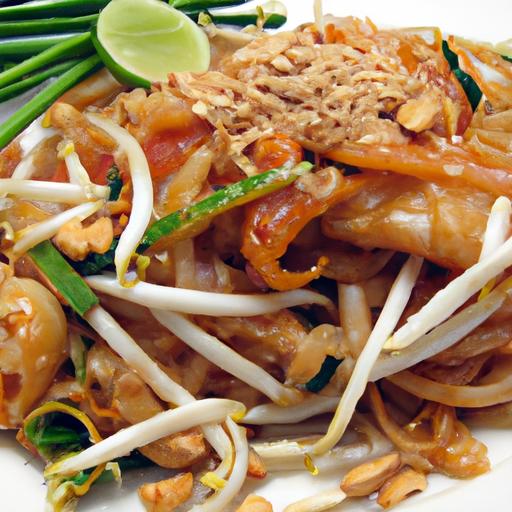
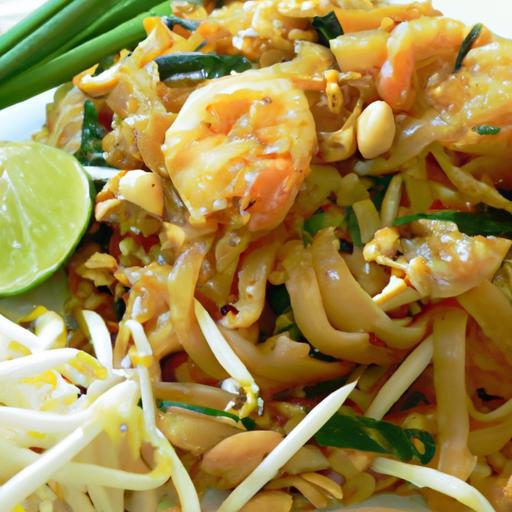
- Finish and serve: Plate your pad Thai, generously sprinkle with crushed peanuts and fresh cilantro.Serve with lime wedges and optional dried chili flakes for added heat.Pad Thai
Choosing the Right Noodles and Proteins for a Customized Dish
For the best texture, medium-width rice stick noodles offer a tender but firm bite that soaks up the tangy sauce without becoming mushy. If you prefer thicker noodles, adjust soaking time accordingly. Proteins like shrimp and chicken are traditional favorites,but don’t hesitate to experiment with firm tofu or a combination of both for vegetarian or mixed options. Precooking your protein ensures it retains juiciness and cooks evenly when tossed with noodles.
Tips for Elevating Your Pad Thai with Fresh Herbs and Garnishes
Freshness is key to an exhilarating Pad Thai. After plating, adorn your dish with sharp cilantro sprigs, crisp bean sprouts, and a generous sprinkle of roasted peanuts for delightful crunch. A bright squeeze of lime juice just before eating unlocks layers of brightness that enliven every bite. For a subtle heat boost, pair with dried chili flakes or fresh Thai bird’s eye chilies sliced thinly. Also, try garnishing with thin strips of pickled radish or finely shredded carrots for added color and texture contrast.
Chef’s Notes: Tips for Success
- Don’t over-soak your noodles: They should be soft but with a slight chewiness to hold shape during stir-frying.Pad Thai
- Prep all ingredients ahead: Pad Thai cooks quickly; having everything ready ensures smooth workflow.Pad Thai
- Balance your sauce: Taste and tweak tamarind, sugar, and fish sauce ratios to suit your palate or regional variants.Pad Thai
- Use fresh palm sugar: It imparts a deeper and less processed sweetness than regular brown sugar.Pad Thai
- Make ahead: Sauce can be prepared days in advance and stored refrigerated.Pad Thai
Serving Suggestions
Serve pad Thai hot straight from the wok on a wide plate to showcase its colorful medley. Complement the dish with crunchy crushed peanuts scattered over the top and fresh lime wedges on the side.Pair with a light Thai iced tea or iced jasmine green tea to refresh the palate. Including a small bowl of sliced fresh chilies in vinegar provides an optional tangy heat that enhances the eating experience beautifully.Pad Thai

| Nutrient | Per Serving |
|---|---|
| Calories | 420 kcal |
| Protein | 28 g |
| Carbohydrates | 52 g |
| Fat | 12 g |
Looking to explore more Thai favorites? Check out our Thai Green Curry Recipe for another exciting dish. Want to dive deeper into the rich history of tamarind in Southeast Asian cooking? Visit this Britannica article on tamarind.
Q&A
Q&A: quick & Simple Pad Thai Recipe – Flavor in Every Bite
Q1: what makes this Pad Thai recipe “quick and simple”?
A1: This recipe strips Pad Thai down to its essentials, using common pantry staples and minimal prep. By focusing on easy-to-find ingredients and straightforward cooking steps, it delivers that signature tangy, sweet, and savory flavor fast-perfect for weeknight dinners or last-minute cravings.
Q2: Can I customize the protein in this Pad Thai?
A2: Absolutely! Whether you prefer shrimp, chicken, tofu, or even a mix of veggies, this recipe is a versatile canvas. Just cook your protein first, then toss it in with the noodles and sauce to infuse every bite with deliciousness.
Q3: What is the secret to getting the perfect Pad Thai sauce?
A3: Balance is key! The classic Pad Thai sauce is a harmonious blend of tamarind paste, fish sauce, palm sugar, and lime juice. This recipe provides a shortcut using pantry-friendly substitutes without sacrificing authenticity, ensuring each bite is bursting with that iconic sweet-sour-umami punch.
Q4: How do you achieve the ideal noodle texture?
A4: Soaking rice noodles in warm water until they’re just tender-still a bit firm-prevents mushiness. Stir-frying them quickly over high heat finishes cooking and lets the sauce cling beautifully, giving you that perfect chewy bite.
Q5: Are there any tips for garnishing Pad Thai to elevate its flavor and presentation?
A5: yes! Crunchy crushed peanuts, fresh lime wedges, a sprinkle of chopped cilantro, and a dash of chili flakes add layers of texture, zest, and heat. The garnishes not only brighten the plate but also invite every bite to be a little adventure.
Q6: Is this recipe suitable for vegetarians or vegans?
A6: With a few tweaks, definitely. Swap fish sauce for soy sauce or tamari, and replace eggs with scrambled tofu or skip them altogether. The dish still shines with vibrant,complex flavors that satisfy any palate.Q7: Can I make this Pad Thai recipe ahead of time?
A7: Pad Thai is best enjoyed fresh to preserve its vibrant texture and flavor. Tho, you can prep the sauce and chop your ingredients in advance. If storing leftovers, reheat gently with a splash of water to loosen the noodles and revive that “fresh-off-the-wok” magic.
Q8: What kitchen tools do I need for this recipe?
A8: minimal gear here-a large skillet or wok for stir-frying, a bowl to soak noodles, and basic utensils like a spatula and measuring spoons. Simple tools keep the process seamless and stress-free.
Q9: How many servings does this recipe make?
A9: The recipe is designed to serve 2-3 hungry diners, making it perfect for a cozy meal or sharing with a friend. Easily double or triple the ingredients for larger gatherings!
With this Q&A,you’re ready to whip up a Pad Thai that’s as quick as it is flavorful-proving that delicious doesn’t have to mean complex!
To Conclude
There you have it-a quick and simple Pad Thai recipe that brings vibrant flavors to your plate with every bite. Whether you’re cooking for a busy weeknight or impressing friends at your next dinner, this dish proves that authentic taste doesn’t have to be complicated. So, gather your ingredients, embrace the sizzle, and let the harmonious blend of sweet, tangy, and savory transport you straight to the streets of Bangkok. Happy cooking, and even happier eating!