
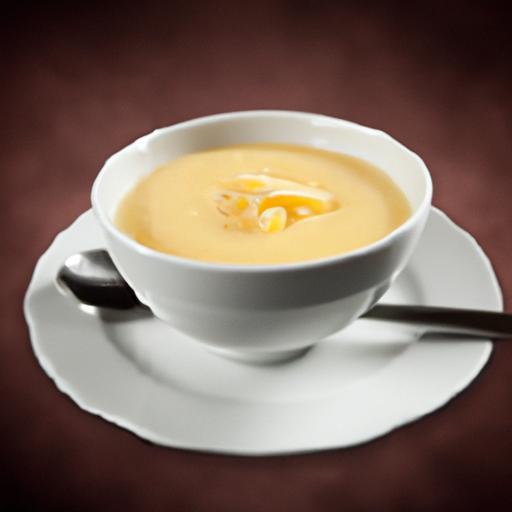
 There’s something undeniably magical about a luscious,velvety cheese sauce-its rich aroma wafting through teh kitchen,the way it clings lovingly to every bite,turning ordinary dishes into comfort food masterpieces. Whether drizzled over crispy fries, folded into pasta, or layered atop steamed vegetables, cheese sauce has the power to elevate flavors and textures with its creamy embrace.In this article, we delve into the creamy art of cheese sauce, uncovering expert tips, foolproof recipes, and secret techniques that will transform your culinary creations. Prepare to unlock the silky, savory world of cheese sauce and discover how simple ingredients can combine to create liquid gold.Cheese Sauce
Understanding the science Behind the Perfectly Smooth Cheese Sauce
The Creamy Art of Cheese Sauce truly shines when you grasp the science behind its velvety texture. At its core, a smooth cheese sauce is an emulsion of fats and liquids held together by starch, typically flour, and softened by heat. The magic begins with the formation of a roux-a cooked mixture of butter and flour-that acts as a thickening agent, preventing the cheese from clumping or separating as it melts. Understanding how proteins in the cheese react with heat helps avoid a grainy or oily finish. Low and slow warming combined with gradual cheese incorporation ensures those proteins stay tender and harmonious, resulting in that luscious consistency that feels like silk on the palate.Cheese Sauce
Selecting the Best Cheeses for Flavor and Texture Harmony
Choosing the ideal cheeses is as crucial as technique. A balance between sharpness, creaminess, and meltability is the secret to harmony in your sauce. For a dreamy melt, opt for cheeses that are high in moisture and high-quality, like sharp cheddar for punch, Gruyère for nuttiness, and Fontina for silkiness. Avoid pre-shredded cheeses laden with anti-caking agents, which impede smooth melting. Blend a firmer cheese with a softer one to create depth and texture-this layering will elevate the entire dish. Don’t shy away from adding a small amount of cream cheese or mascarpone for an ultra-smooth body that clings beautifully to pastas or vegetables.Cheese Sauce
Mastering Essential Techniques for luscious Creaminess
To master the perfect cheese sauce, patience and attentiveness are key. Start by gently toasting your roux to a light golden color to avoid a raw flour taste, whisking continuously to create a silky base. Add your warm milk slowly to the roux, whisking constantly, which forms a smooth béchamel where the starch fully hydrates. When introducing the cheese, ensure it’s at room temperature and add it off the heat or on very low heat. This prevents the protein from seizing and curdling.If your sauce thickens too much, don’t hesitate to loosen it with a splash of warm milk or broth. A pinch of acid, like a few drops of lemon juice or white wine vinegar, can brighten flavors and stabilize the sauce’s texture.Cheese Sauce
Elevating Your Cheese Sauce with Unique Ingredients and Seasonings
Once you’ve nailed the base, explore enhancing your cheese sauce by layering in exciting ingredients. A subtle hit of mustard powder amplifies the sharpness of cheddar without overpowering. Fresh herbs such as thyme or chives provide color and delicate flavor contrasts. For a smoky depth, consider adding a dash of smoked paprika or chipotle chili powder. For an unexpected twist, swirl in a spoonful of pesto or a hint of truffle oil right before serving.Small additions like caramelized onions, roasted garlic, or sautéed mushrooms can turn a simple sauce into a decadent centerpiece.http://Cheese Sauce
Prep and Cook Time
- Readiness: 10 minutes
- Cooking: 15 minutes
- Total Time: 25 minutes
Yield
Serves 4 generously
Difficulty Level
Easy to Medium
ingredients
- 3 tbsp unsalted butter
- 3 tbsp all-purpose flour, sifted
- 2 cups whole milk, warmed
- 1 ½ cups sharp white cheddar cheese, shredded
- ½ cup Gruyère cheese, shredded
- 2 oz cream cheese, softened
- ½ tsp mustard powder
- Salt and freshly ground black pepper, to taste
- Optional: pinch of smoked paprika or fresh thyme
Instructions
- Melt the butter in a medium saucepan over medium-low heat. Once melted, sprinkle in the flour. Whisk continuously to form a smooth roux, cooking until it turns a light, golden blonde-about 2 to 3 minutes-avoiding browning.
- Gradually pour the warm milk into the roux in a slow, steady stream, whisking continuously to prevent lumps. Continue to cook and whisk until the mixture thickens and coats the back of a spoon, about 5-7 minutes.
- Remove the sauce from heat. Slowly add the shredded cheeses and cream cheese, stirring gently until all cheese melts into a glossy, smooth sauce.
- Stir in mustard powder and season with salt and pepper. If desired, fold in smoked paprika or fresh thyme to enhance flavor.
- if the sauce feels too thick,whisk in a little more warm milk until it reaches your preferred consistency.
- Serve promptly over pasta, steamed veggies, or baked dishes for that irresistible creamy boost.
Tips for Success
- Room temperature cheese: Allows for even melting without clumping or separation.
- Low heat: Keeps the sauce from overheating and curdling.
- Use freshly grated cheese: Avoid pre-shredded cheese which contains additives.
- make ahead: Gently reheat with a splash of milk while whisking to regain creaminess.
- Acidity balance: A hint of lemon juice or white wine vinegar brightens your sauce and keeps the flavors fresh.
Serving Suggestions
Drizzle this luscious cheese sauce over crunchy roasted broccoli or pour generously onto creamy mashed potatoes. Garnish with chopped chives or cracked black pepper for visual contrast.For a hearty dinner, layer it over pasta and top with toasted breadcrumbs for texture. A swirl of pesto or a sprinkle of smoked paprika adds both color and complexity. Pair with a crisp white wine like Sauvignon Blanc to complement the bold, creamy richness delightfully.

Nutritional information (per serving)
| Calories | Protein | Carbohydrates | Fat |
|---|---|---|---|
| 330 kcal | 18 g | 10 g | 25 g |
Discover more ways to enhance your cheese creations by checking out our Ultimate Mac ‘n’ Cheese Guide and learn about different cheese melting behaviors via this Cook’s Illustrated science deep dive.
Q&A
Q&A: The Creamy Art of Cheese Sauce – Tips, Recipes & Secrets
Q1: What makes a cheese sauce truly creamy and smooth?
A1: The magic lies in the balance between good quality cheese, the right fats (like butter or cream), and a smooth base-usually a classic roux of butter and flour. Slowly melting cheese into warm milk or cream prevents clumping and creates that silky texture.Patience and gentle heat are your best friends here.
Q2: Can any cheese be used for cheese sauce?
A2: While technically yes, not all cheeses are created equal in sauce-making. hard cheeses like cheddar, Gruyère, or fontina melt beautifully and provide rich flavors. Softer or aged cheeses with strong flavors might become grainy or overpower the sauce. Experiment,but stick to cheeses known for smooth melting.Q3: How do I prevent my cheese sauce from becoming grainy or separated?
A3: The key culprit behind grainy sauce is overheating. Cheese proteins sieze up with high heat, causing separation.To avoid this, add cheese off the heat or over very low heat, stirring gently. Also, adding a bit of acid like mustard or lemon juice can help stabilize the sauce.
Q4: What’s the secret to a flavorful cheese sauce without it being too heavy?
A4: Incorporate aromatics like garlic, shallots, or even a splash of white wine or Dijon mustard into the base. Using a mix of milk and cream balances richness without overwhelming heaviness. Fresh herbs or a dash of smoked paprika can also elevate flavor without extra calories.
Q5: can cheese sauce be made ahead of time?
A5: You can! Make your sauce, cool it, and refrigerate.When ready to serve, gently reheat over low heat, stirring constantly, and add a splash of milk or cream to revive that creamy texture. Avoid microwaving at high power-it can split the sauce.
Q6: what are some creative ways to use cheese sauce beyond mac and cheese?
A6: Cheese sauce is a versatile canvas! Drizzle it over steamed veggies for extra indulgence, pour it on baked potatoes, use it as a dip for crispy fries, or layer it in lasagna or casseroles for gooey goodness. Even breakfast gets a boost-try it with scrambled eggs or savory crepes.
Q7: How can I make a cheese sauce vegan or dairy-free?
A7: Swap dairy butter for plant-based alternatives and use creamy nut milks (like cashew or almond). Nutritional yeast adds cheesy flavor, and tapioca starch or blended potatoes can create luscious thickness. The trick is layering flavors to mimic that classic cheesy depth without dairy.
Q8: Any pro tips to elevate my cheese sauce game?
A8: Absolutely! Grate cheese freshly for better melt and flavor. Introduce small amounts of flavorful liquids (mustard, Worcestershire, hot sauce) to add complexity. Use a whisk to keep lumps at bay. And remember-taste as you go; cheese sauces can be subtle or bold, so adjust seasoning accordingly.
Mastering the art of cheese sauce opens endless culinary doors-creamy, dreamy, and endlessly tasty!
Wrapping Up
As you’ve discovered, mastering the creamy art of cheese sauce is both a science and a delightful journey of flavors. From selecting the perfect cheese to balancing textures and unlocking secret tips, each step transforms a simple sauce into a luscious companion for countless dishes. Whether you’re drizzling it over veggies,swirling it into pasta,or crafting a velvety dip,the possibilities are as rich and varied as the cheeses themselves. so grab your whisk, trust your palate, and let your creativity melt into every velvety drop – because in the world of cheese sauce, the perfect pour is just the begining of your delicious adventure.