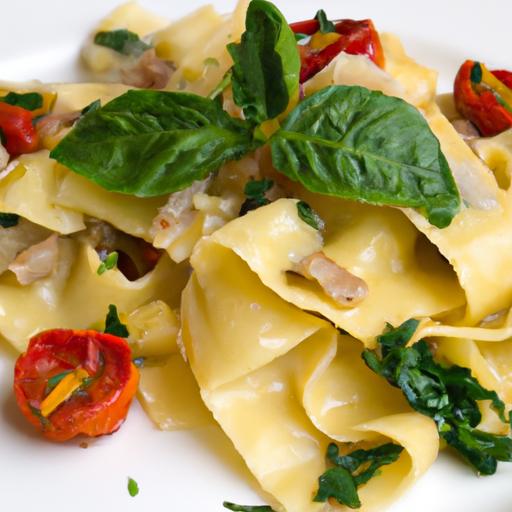

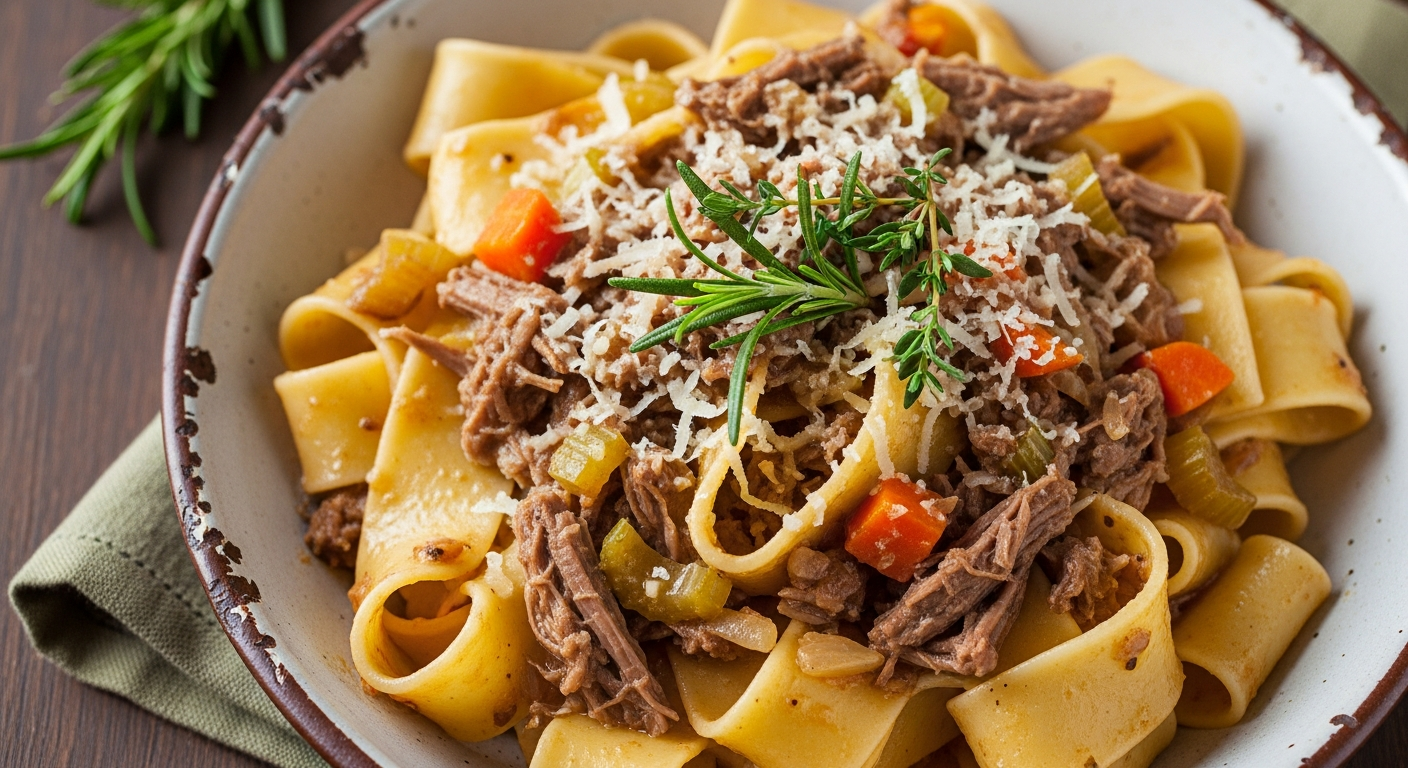
In the sun-kissed kitchens of Tuscany, where culinary tradition meets heartfelt simplicity, pappardelle pasta has long held a cherished place at the family table. These broad, ribbon-like noodles-bold in size and character-are more than just a meal; they are a testament to Italy’s rich regional heritage and love for hearty, rustic flavors. Woven through centuries of history, pappardelle invites both chefs and home cooks alike to explore its versatility, embracing everything from rich ragùs to delicate mushroom sauces. Join us as we unravel the story of pappardelle pasta, discovering how these wide noodles have rolled their way into hearts and plates around the world, carrying with them the soul of Italian tradition.
Pappardelle pasta is a culinary masterpiece that hails from the rolling hills of Tuscany, where tradition and hearty flavors intertwine to create dishes that celebrate rustic Italian heritage.This wide, ribbon-like pasta is crafted for richness and robustness, perfectly designed to cradle slow-cooked meats and earthy vegetables. On my first trip to Florence, I vividly recall savoring a plate of fresh pappardelle drenched in a wild boar ragù-a moment that forever deepened my appreciation for how this humble pasta elevates simple ingredients into unforgettable meals.
Prep and Cook Time
- Readiness: 30 minutes
- Resting Time: 30 minutes
- Cooking Time: 4-5 minutes
- Total Time: Approximately 1 hour 10 minutes
Yield
Serves 4 generous portions
Difficulty Level
Medium: Requires some skill with dough handling and pasta rolling, but deeply rewarding.
Ingredients
- 2 cups all-purpose flour, sifted, plus extra for dusting
- 3 large fresh eggs, at room temperature
- 1 tbsp olive oil (optional, for silkier dough)
- 1/2 tsp fine sea salt
- Water, as needed for adjusting dough consistency
Instructions
- Prepare the dough: On a clean surface, mound the flour and create a well in the center. Crack the eggs into the well, add salt and olive oil, if using.
- Incorporate ingredients: Using a fork, break up the eggs gradually pulling in flour from the edges until a shaggy dough begins to form.
- Knead thoroughly: Begin kneading by hand, folding and pressing for 8-10 minutes until the dough is elastic, smooth, and slightly tacky but not sticky. Add a teaspoon of water at a time if too dry.
- Rest the dough: Wrap dough in cling film and let it rest at room temperature for 30 minutes-this relaxes gluten for easier rolling.
- Roll out the dough: Slice dough into manageable portions. Roll each thinly with a pasta machine or rolling pin, aiming for roughly 1.5 to 2mm thickness.
- Cut into ribbons: Using a sharp knife or pasta cutter, slice the rolled dough into wide strips approximately 1-inch (2.5 cm) wide, the hallmark width of authentic pappardelle.
- Cook the pasta: Bring a large pot of salted water to a rolling boil. Add pappardelle and cook for 3-5 minutes until al dente-fresh pasta cooks quickly, so taste frequently.
- Drain and serve: Reserve some pasta water for sauce adjustment. Toss pappardelle gently with your chosen sauce, allowing the wide noodles to hold hearty ragùs or buttered herbs effortlessly.
Tips for Success
- Kneading is key: Proper kneading develops gluten, which gives pappardelle its perfect chewy yet tender texture.
- Thickness matters: If the dough is too thick, it will feel heavy; too thin and it will tear. Aim for that silky translucency just before cutting.
- Flour choice: Use “00” flour for a velvety dough or all-purpose for a rustic bite; adjusting hydration will be necessary accordingly.
- Make ahead: Fresh pappardelle dough can be refrigerated overnight or frozen for up to one month.Roll and cut before freezing for ease.
- Cooking water: Save pasta water-it’s starchy and perfect for loosening and enriching sauce without diluting flavor.
- Cut even strips: Ensures uniform cooking and is visually stunning plated.
Serving suggestions
Indulge your pappardelle by pairing it with rich sauces like wild boar ragù, slow-simmered beef bolognese, or mushroom ragù with fresh thyme and porcini mushrooms. Seasonal vegetables such as sautéed Swiss chard or roasted cherry tomatoes add color and brightness. Garnish with freshly grated Parmigiano-reggiano and a sprinkle of finely chopped parsley for a fragrant finish.
For an elegant twist, drizzle with truffle oil or scatter toasted pine nuts for texture contrast. Serve with a robust Italian red wine such as Chianti Classico for a soul-satisfying dining experience.

| Nutrient | Per Serving |
|---|---|
| Calories | 350 kcal |
| Protein | 12 g |
| Carbohydrates | 65 g |
| fat | 6 g |
For more detailed inspiration on pairing pasta with sauces, explore our Classic Italian Sauces guide. For ancient insight into pasta’s interesting evolution,visit Britannica’s pasta overview.
Q&A
Q&A: pappardelle Pasta – Wide Noodles with Rich Italian Roots
Q: What exactly is pappardelle pasta?
A: Pappardelle are broad, flat ribbons of pasta, typically about 2 to 3 centimeters wide. Their generous width sets them apart from thinner noodles like fettuccine or tagliatelle, making them perfect for hearty sauces and rustic Italian dishes.
Q: Where does pappardelle originate from?
A: Pappardelle hail from Tuscany, the heart of Italy’s culinary tradition. The name comes from the tuscan dialect verb pappare, meaning “to gobble up,” hinting at how irresistibly delicious and satisfying these noodles are.
Q: What makes pappardelle unique compared to other pasta types?
A: it’s all about size and substance. Their broad shape allows them to hold onto chunky sauces-like rich ragùs with wild boar or mushrooms-better than thinner pastas, creating a perfect bite every time. Plus, their rustic charm evokes the warmth of customary Italian countryside cooking.Q: How is pappardelle traditionally made?
A: Traditionally, pappardelle dough is crafted with simple ingredients: flour, eggs, and a pinch of salt. The dough is rolled out thinly by hand or machine, then sliced into wide strips.The technique requires a steady hand and an eye for uniformity to get that classic, inviting texture.
Q: What sauces pair best with pappardelle?
A: Pappardelle love bold, hearty sauces-think slow-simmered ragù di cinghiale (wild boar ragù), creamy mushroom sauces, or rich tomato-based ragùs brimming with tender meats. Their wide surface provides a perfect canvas for capturing every drop of sauce.
Q: Can pappardelle be served in lighter preparations?
A: Absolutely! While traditionally paired with rich sauces, pappardelle can also shine in lighter dishes, such as tossed with fresh garden vegetables, a drizzle of olive oil, herbs, and shaved Parmesan, offering a more delicate yet still satisfying experience.
Q: How has pappardelle evolved in modern cuisine?
A: Today’s chefs experiment with diverse ingredients-infusing the dough with spinach, beetroot, or squid ink-to add color and flavor twists. Pappardelle has traveled beyond Tuscany, inspiring fusion dishes and innovative presentations while honoring its hearty roots.
Q: Where can one find authentic pappardelle outside Italy?
A: Many artisanal pasta makers around the world craft pappardelle fresh, and high-quality dried versions are widely available in specialty stores. For the most authentic experience, seek out Italian restaurants or try your hand at making pappardelle at home!
Q: Any tips for cooking pappardelle perfectly?
A: Since they’re wide and thick compared to other pastas, pappardelle require a little extra attention. Boil them in plenty of salted water until just al dente-tender but with a slight bite. Drain carefully to avoid breaking the ribbons,then toss promptly with your sauce of choice.
Q: Why should pasta lovers add pappardelle to their culinary repertoire?
A: Becuase pappardelle embody the soul of Italian comfort food: rustic, hearty, and deeply satisfying. Their wide ribbons invite indulgence and celebrate the art of pairing pasta with rich,flavorful sauces-a timeless homage to Italy’s rich culinary heritage.
The Way Forward
From the sun-dappled hills of Tuscany to your very own kitchen, pappardelle pasta carries with it a story as rich and hearty as the sauces it embraces. These broad, ribbon-like noodles are more than just a meal-they’re a delicious ode to Italian heritage and the art of slow, deliberate cooking. Whether tangled in a luscious wild boar ragù or simply tossed with fresh herbs and olive oil, pappardelle invites you to savor each bite and connect with centuries of culinary tradition. so next time you crave pasta that’s wide in both shape and flavor,remember the humble pappardelle-and let its rustic roots inspire your table.