
In a world where comfort food frequently enough means indulgence, pasta steals the spotlight as an all-time favorite-rich, hearty, and undeniably satisfying. But what if you could twirl your fork around those beloved noodles without the calorie guilt? Welcome to the realm of low-calorie pasta alternatives, where creativity meets nutrition and every bite invites a delightful surprise. From vibrant vegetable spirals to innovative grain substitutes, thes options promise to twist your tastebuds and transform your meals into lighter, yet equally flavorful experiences. Join us as we explore the exciting varieties redefining pasta night, proving that wholesome can be wonderfully delicious.
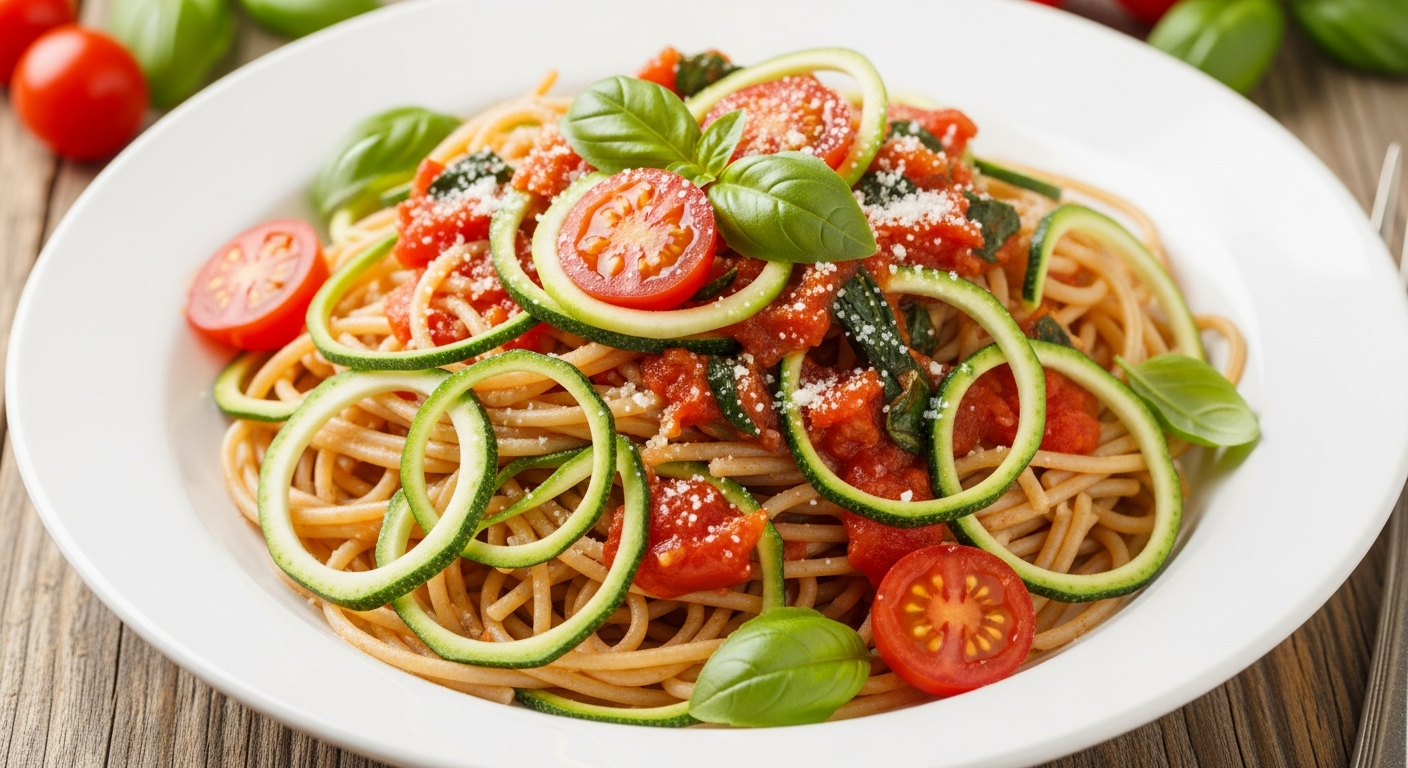
Twist Your Tastebuds: Low-calorie Pasta Alternatives Explored opens a flavorful gateway to innovative,vegetable-based pasta substitutes that redefine guilt-free indulgence. Inspired by centuries-old culinary traditions fused with modern dietary preferences, these recipes transform humble veggies into enticing, satisfying dishes without sacrificing texture or taste. Whether you’re seeking grain-free or low-carb options, mastering creative cooking techniques helps you achieve ideal bite and flavor, making these pasta alternatives irresistible for any season.
Prep and cook Time
prep Time: 15 minutes | Cook Time: 10 minutes
Yield
Serves 4
Difficulty Level
Easy to Medium
Ingredients
- 4 medium zucchinis, spiralized into noodles
- 2 large carrots, julienned or spiralized
- 1 small butternut squash, peeled and cut into thin ribbons
- 2 tablespoons olive oil
- 3 cloves garlic, minced
- 1 cup cherry tomatoes, halved
- 1/4 cup fresh basil, chopped
- 1/4 cup grated Parmesan cheese (optional)
- Salt and freshly ground black pepper, to taste
- Red pepper flakes (optional, for heat)
- Juice of 1 lemon
Instructions
- Prepare the vegetable noodles: Using a spiralizer or julienne peeler, transform zucchinis, carrots, and butternut squash into pasta-like strands.Spread them on paper towels to absorb excess moisture.
- Heat olive oil over medium heat in a large skillet. Add minced garlic and sauté until fragrant, about 1 minute. Be careful not to burn the garlic.
- Add cherry tomatoes and cook for 3-4 minutes until they soften and release their juice, stirring occasionally.
- Toss in the vegetable noodles starting with zucchini and carrots, sautéing gently for 3 minutes to warm through without overcooking, maintaining their bite.add butternut squash ribbons and cook for 2 more minutes.
- Season with salt, pepper, and a pinch of red pepper flakes if using. Stir in fresh basil and lemon juice to brighten the flavors.
- Remove from heat, sprinkle with grated Parmesan cheese if desired, and gently toss to combine.
- Serve immediately on warm plates, garnished with a basil sprig or lemon zest for an inviting presentation.
Tips for Success
- Control moisture: Spaghetti-style vegetables like zucchini can release water; drying them well on paper towels keeps your dish from becoming watery.
- Don’t overcook: Vegetable noodles should be tender-crisp. Cook quickly over medium heat to prevent a mushy texture.
- Try different vegetables: Swap or combine kohlrabi, cucumber, or sweet potatoes for texture and flavor diversity.
- Batch prep: Spiralize vegetables ahead of time and store them wrapped in paper towels inside airtight containers to save time on busy days.
- For creamy sauces, blend avocado or soaked cashews and toss with your noodles for a rich,dairy-free option.
Serving Suggestions
Pair these colorful vegetable noodles with grilled lemon-herb chicken or lightly seared salmon for a balanced meal packed with nutrients. garnish with toasted pine nuts or pumpkin seeds to add crunch and nutty depth. A drizzle of balsamic glaze or a sprinkle of fresh microgreens adds an elegant touch and complementary flavor contrast. Serve with a crisp side salad of arugula and cherry tomatoes dressed in a lemon vinaigrette to keep the plate fresh and vibrant.
| Nutrient | Amount per Serving |
|---|---|
| Calories | 120 kcal |
| Protein | 4 g |
| Carbohydrates | 15 g |
| Fat | 7 g |

To discover more recipes that elevate vegetable-based meals, check out our Healthy Veggie recipes Collection. For in-depth nutritional science on the benefits of low-carb eating, visit the Healthline Low-Carb Diet Guide.
Q&A
Q&A: Twist Your Tastebuds - Low-Calorie Pasta Alternatives Explored
Q1: Why should I consider low-calorie pasta alternatives?
A1: If you love pasta but want to keep an eye on calories, blood sugar, or simply boost nutrition, low-calorie alternatives offer a delicious way to enjoy your favorite dishes without the guilt.They add variety, keep meals light, and can even sneak in extra veggies!
Q2: What are some popular low-calorie pasta substitutes?
A2: Say hello to zoodles (zucchini noodles), shirataki noodles, spaghetti squash, and even kelp noodles! Each brings a unique texture and flavor, while keeping calories low and fiber high. These options turn the humble pasta plate into a nutrient-packed adventure.
Q3: How do zoodles compare to customary pasta?
A3: Zoodles are made from spiralized zucchini and have a fresh, slightly crunchy texture. They contain far fewer calories and carbs than wheat pasta and offer vitamins A and C. plus, they soak up sauces beautifully-perfect for a light summer meal!
Q4: What makes shirataki noodles special?
A4: Shirataki noodles, made from konjac yam, are almost calorie-free and boast a chewy, fun texture. They’re high in glucomannan fiber, which may promote satiety and support digestion. Just be sure to rinse them well and cook briefly to reduce their natural aroma.
Q5: Can spaghetti squash really satisfy my pasta cravings?
A5: Absolutely! When cooked, spaghetti squash strands resemble spaghetti, creating a fantastic low-calorie base for your favorite sauces.It offers a mildly sweet flavor and adds fiber, vitamin C, and antioxidants to your meal.
Q6: Are kelp noodles a good option for low-calorie pasta dishes?
A6: Yes! Kelp noodles are crunchy seaweed-based noodles with near-zero calories and a neutral taste that absorbs the flavor of sauces and broths. They’re perfect for cold salads or lightly cooked stir-fries, adding a pleasant crunch and iodine benefits.
Q7: How do I cook these alternatives without losing their appeal?
A7: Treat each choice with a little love: avoid overcooking zoodles or spaghetti squash to maintain texture; rinse and briefly boil shirataki noodles; soak kelp noodles to soften before use. Pair with vibrant sauces and fresh herbs for a flavor-packed dish.
Q8: Can I mix traditional pasta with low-calorie alternatives?
A8: For sure! Combining them can be a smart way to cut calories without compromising on the familiar comfort of pasta. Try half zoodles, half wheat pasta for a delightful, lighter meal that still satisfies carb cravings.
Q9: Will these alternatives satisfy picky eaters?
A9: With the right seasoning and sauce, often yes. Since many low-calorie pastas have mild flavors, you can experiment with herbs, spices, garlic, and robust sauces to suit any palate. The key is embracing creativity!
Q10: Where can I find these low-calorie pasta alternatives?
A10: Most health food stores and many supermarkets carry zoodles (fresh or frozen), shirataki, spaghetti squash, and kelp noodles. You can also make your own zoodles at home with a spiralizer-a fun way to engage with your food!
Ready to swirl, twirl, and twist your tastebuds? these pasta alternatives open doors to exciting, guilt-free dining-letting you savor every bite while staying on track. Bon appétit!
Final Thoughts
As we’ve unraveled the colorful world of low-calorie pasta alternatives, itS clear that healthy eating doesn’t mean sacrificing flavor or fun.From spiralized zucchini ribbons to hearty lentil noodles, these creative swaps invite you to twist your tastebuds and rethink what pasta can be. Whether you’re seeking to lighten your meals or simply explore new textures and tastes, these alternatives offer a delicious gateway to nourish your body without compromise. So next time those carb cravings strike,take a fresh forkful-your palate and waistline will thank you.