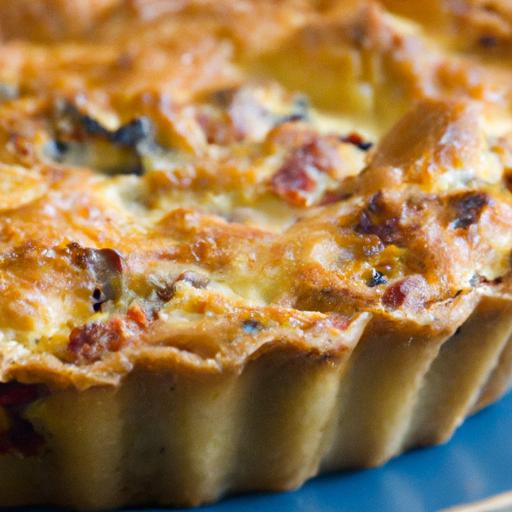

There’s a certain magic in the humble quiche Lorraine-a golden, savory tart that carries the rich heritage of French cuisine wiht every buttery bite. Whether you’re a novice cook or a seasoned foodie, mastering this classic recipe unlocks not just a dish, but an experiance steeped in tradition and culinary finesse. In this guide, we’ll journey through the history, ingredients, and essential techniques that transform simple eggs, cream, and bacon into a timeless masterpiece. Prepare to impress your palate and guests alike as we unveil the secrets to crafting the perfect quiche Lorraine, right in your own kitchen.
Mastering Quiche Lorraine: A Classic French Recipe Guide
Mastering Quiche Lorraine unveils the magic of a quintessential French dish that effortlessly blends rich, creamy custard with smoky bacon and a perfectly flaky crust. Originating from the Lorraine region in France, this savory tart has become a beloved staple, cherished worldwide for its harmonious balance of textures and flavors. My first encounter with quiche Lorraine took place at a rustic countryside inn, where each bite told a story of tradition and culinary craftsmanship-an experience that inspired me to master this classic recipe and share its secrets with you.
Prep and Cook Time
- Preparation: 25 minutes
- chilling time: 30 minutes
- Cooking time: 35-40 minutes
Yield
This recipe yields 6 to 8 servings, perfect for family meals or entertaining guests.
Difficulty Level
Medium – ideal for cooks with some experience in pastry making but approachable with clear guidance.
Ingredients
- For the Pastry Crust:
- 1 ¼ cups (160g) all-purpose flour, sifted
- ¼ teaspoon salt
- 8 tablespoons (115g) cold unsalted butter, cubed
- 3-4 tablespoons ice-cold water
- For the Filling:
- 6 ounces (170g) slab bacon or lardons, diced
- 1 cup (120g) Gruyère cheese, grated
- 3 large eggs
- 1 ½ cups (360ml) heavy cream
- ½ teaspoon freshly ground black pepper
- ¼ teaspoon ground nutmeg
- 1 teaspoon Dijon mustard (optional)
- Pinch of salt to taste
Instructions
- Prepare the pastry crust: In a large bowl, combine the flour and salt. Cut in the cold butter using a pastry cutter or your fingertips until the mixture resembles coarse crumbs. Slowly add ice water, one tablespoon at a time, until the dough just comes together. Avoid overworking to keep the pastry tender.
- chill the dough: Shape the dough into a disk, wrap in plastic wrap, and refrigerate for at least 30 minutes. This step ensures better puff and flakiness when baked.
- Preheat the oven to 375°F (190°C).
- Roll out and blind bake the crust: On a floured surface, roll the dough into a 12-inch circle and transfer it to a 9-inch tart pan with a removable bottom. Press gently to fit and trim excess. Line with parchment paper and fill with pie weights or dried beans. Bake for 15 minutes, then remove weights and bake for another 5 minutes until lightly golden.
- Sauté the bacon: In a skillet over medium heat, cook the bacon pieces until crisp, roughly 5-7 minutes. Drain on paper towels to remove excess fat.
- Mix the filling: In a medium bowl, whisk together the eggs, cream, Dijon mustard (if using), nutmeg, salt, and pepper until smooth and slightly frothy.
- Assemble the quiche: Evenly sprinkle the cooked bacon and grated Gruyère into the prebaked crust. Pour the custard mixture over the filling, ensuring it distributes evenly but doesn’t overflow.
- Bake to perfection: Place the tart on the center rack and bake for 30-35 minutes, until the custard is set around the edges but still slightly wobbly in the center. Avoid overbaking to keep the filling creamy.
- Cool and serve: Allow the quiche to rest for at least 10-15 minutes; this resting time helps the custard firm up and enhances sliceability.
Chef’s Notes: Tips for Success
- Choosing the Perfect Pastry: Use cold butter and minimal water to achieve a tender, flaky crust. For extra flaky layers, try cutting in butter cubes while keeping them slightly larger than breadcrumbs.
- Bacon Alternatives: Substitute pancetta or smoked ham for nuanced flavors. For a vegetarian twist, caramelized onions or sautéed mushrooms pair beautifully.
- Gruyère Cheese: This cheese melts beautifully and offers a nutty flavor essential to a classic quiche Lorraine. Comté or Emmental are great substitutes if unavailable.
- Make-Ahead: Quiche can be baked a day ahead; simply rewarm gently in the oven to retain its texture.
- Preventing a Soggy Bottom: Blind baking the crust is essential,and sprinkling a thin layer of cheese or ground nuts on the bottom before adding wet ingredients works as a moisture barrier.
Serving Suggestions
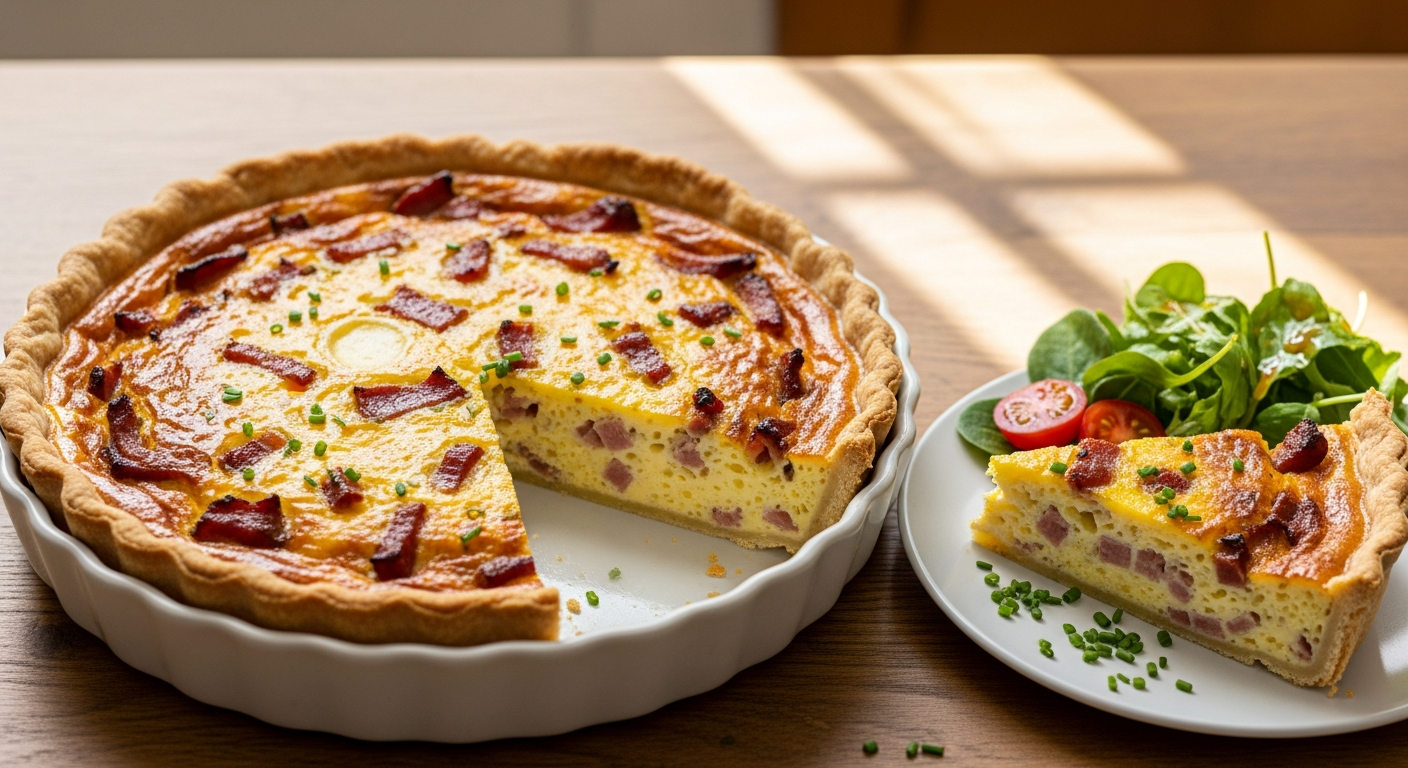
Slice the warm quiche into neat wedges and serve with a crisp green salad dressed in a light vinaigrette to balance the richness. Fresh herbs such as chives or parsley add an inviting pop of color and subtle freshness. Pair with a chilled glass of dry white wine like Sauvignon Blanc or a light rosé to impress your guests with a complete French-inspired experience.

| Nutritional Info (per serving) | Calories | Protein | Carbs | Fat |
|---|---|---|---|---|
| Quiche Lorraine | 380 | 15g | 22g | 28g |
For more detailed tips on pastry making, check out our Ultimate Guide to Pie Crusts. To further explore the history and cultural significance of quiche, visit Encyclopaedia Britannica’s entry on quiche.
Q&A
Q&A: Mastering Quiche Lorraine – A Classic French Recipe Guide
Q1: What exactly is Quiche Lorraine?
A1: Quiche Lorraine is a savory French tart originating from the Lorraine region. Traditionally, it’s made with a rich custard filling of eggs, cream, and smoky bacon (lardons) nestled inside a buttery, flaky pastry crust. It’s a timeless dish that beautifully balances creamy and smoky flavors.
Q2: Why is Quiche Lorraine considered a culinary classic?
A2: This dish perfectly embodies the elegant simplicity of French cooking.It’s both rustic and refined-comforting enough for casual meals but remarkable enough for entertaining. Its enduring popularity lies in its versatility and the sublime harmony between its ingredients.
Q3: Can I use any kind of pastry for the crust?
A3: Traditionally, Quiche Lorraine uses a pâte brisée-a shortcrust pastry known for its buttery, crumbly texture that holds up wonderfully to the wet filling. While you can experiment with puff pastry or even store-bought crusts, pâte brisée offers that authentic, melt-in-your-mouth experience.Q4: What’s the secret to a perfectly creamy filling?
A4: it comes down to balance. Use a good ratio of eggs to heavy cream-usually about 3 eggs to 1 cup of cream-to achieve a custard that’s silky yet set. Avoid overbaking to keep that luscious texture. Also, whisk your eggs and cream gently to incorporate air without creating bubbles that cause cracks.
Q5: Is it okay to add cheese, or is Quiche Lorraine supposed to be cheese-free?
A5: Traditionally, classic Quiche Lorraine does not include cheese, focusing rather on smoky bacon and the custard. Though,modern interpretations frequently enough add Gruyère or Emmental for a richer flavor. Feel free to experiment, but purists will tell you that the real charm lies in its simple elegance.
Q6: How do I prevent the crust from getting soggy?
A6: Blind baking the crust first helps create a barrier to keep it crisp.Simply bake the unfilled crust for about 10-15 minutes lined with parchment and pie weights until lightly golden before adding the custard.This step ensures a firm and flaky base that supports the filling without sogginess.
Q7: can I prepare Quiche Lorraine ahead of time?
A7: Absolutely! Quiche Lorraine is even better when made a few hours ahead or the day before. It gives the flavors time to meld. Serve it warm, at room temperature, or even cold-it’s delicious all ways. Plus, leftovers make for effortless breakfasts, lunches, or picnics.Q8: what makes a smoky bacon perfect for Quiche Lorraine?
A8: use lardons or diced slab bacon rather than typical streaky bacon to get thick, flavorful pieces that render fat but still retain a bite. Cooking them slowly until crisp but not burnt brings out that quintessential smoky aroma that defines the quiche.
Q9: Can I customize the recipe for dietary preferences?
A9: Definitely! For a vegetarian twist, swap bacon for caramelized mushrooms or roasted peppers, though it technically ceases to be a Lorraine. Gluten-free pastry options exist too-just keep in mind texture differences. Dairy-free cream alternatives like coconut cream can work, but the custard texture will differ.
Q10: What wine pairs best with Quiche Lorraine?
A10: A crisp white wine with good acidity enhances the creamy richness. Classic choices include a dry Alsace Pinot Blanc or a light Chardonnay. For red lovers, a light-bodied Beaujolais can complement the savory bacon notes without overwhelming the dish.
Mastering Quiche Lorraine is like opening a door into French culinary tradition-rich, simple, and endlessly satisfying. With these insights, your next quiche will be a stunning rendezvous of flavors and textures worthy of the heart of Lorraine itself. Bon appétit!
To Conclude
As you close the pages on your journey through mastering Quiche Lorraine,remember that this iconic dish is more than just a recipe-it’s a timeless festivity of French culinary artistry. From the flaky,buttery crust to the rich custard filling dotted with smoky lardons,each bite carries a story of tradition and technique perfected over centuries. Armed with these tips and insights, your kitchen is now ready to become a haven for this classic delight. So, whether you serve it at a leisurely brunch or a spirited dinner party, your Quiche Lorraine will surely impress, inviting everyone to savor a true taste of France. Bon appétit!