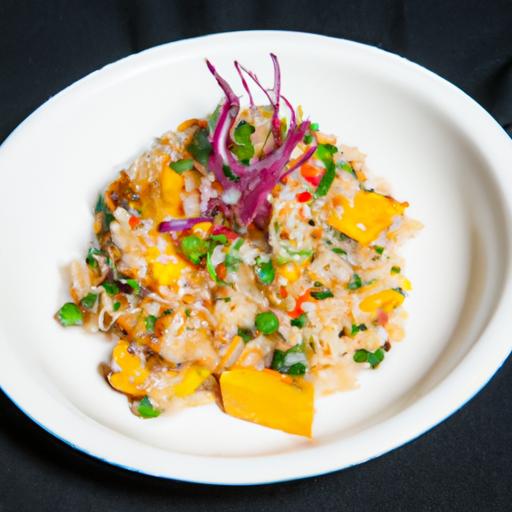

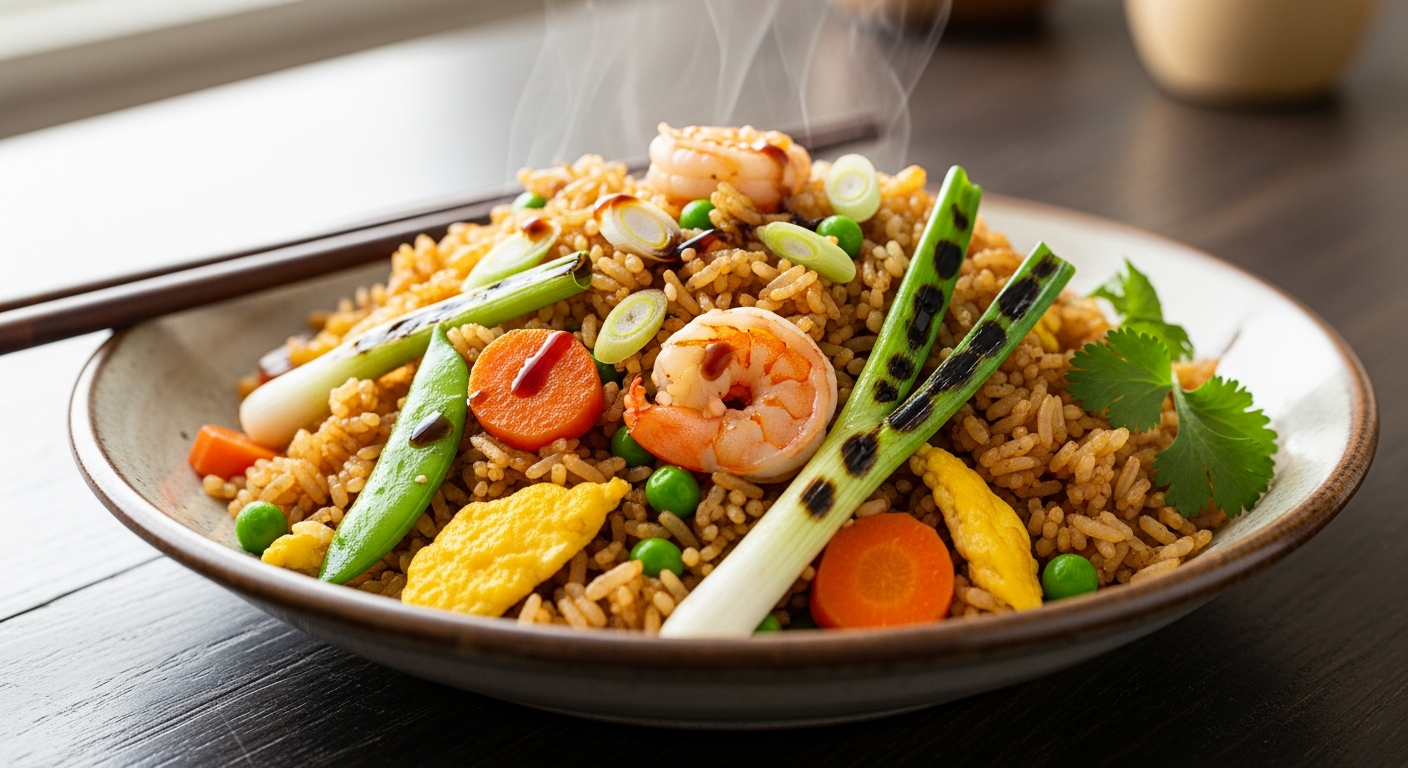
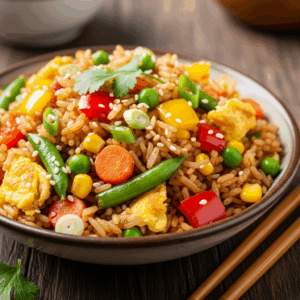
 In the vibrant world of culinary delights, few dishes embody the perfect harmony between simplicity and sophistication quite like vegetable fried rice. This beloved staple, often underestimated as a humble side or rapid fix, holds a treasure trove of flavors waiting to be unlocked. More than just a medley of grains and greens, vegetable fried rice is a canvas where technique meets creativity, and science dances with sensory pleasure. Join us as we delve into the art and science behind this colorful dish, exploring how the right balance of ingredients, precise cooking methods, and a touch of culinary intuition transform everyday vegetables and rice into a symphony of taste that delights the palate and nourishes the soul.
Unlocking flavor is the cornerstone of transforming simple ingredients into an extraordinary vegetable fried rice experience. The secret lies not only in choosing fresh, vibrant vegetables but also mastering rice preparation and balancing seasonings with care to create a dish bursting with texture, aroma, and taste. Each element works harmoniously, elevating this beloved classic to new heights that delight both the eyes and palate.
Prep and Cook Time
- Preparation: 15 minutes
- Cooking: 15 minutes
- Total Time: 30 minutes
Yield
Serves 4 generous portions
Difficulty Level
Easy to Medium – perfect for home cooks seeking a flavorful, approachable stir-fried rice recipe
Ingredients
- 2 cups day-old jasmine rice, chilled
- 1 cup diced carrots (small, uniform cubes)
- 1 cup finely chopped snap peas or snow peas
- 1/2 cup finely sliced bell peppers (preferably red and yellow)
- 3 green onions, thinly sliced (white and green parts separated)
- 2 cloves garlic, minced
- 1 teaspoon fresh ginger, minced
- 2 tablespoons vegetable or peanut oil, divided
- 2 tablespoons low sodium soy sauce
- 1 tablespoon toasted sesame oil
- 1 teaspoon white or black pepper
- 1/2 cup frozen peas, thawed
- 2 large eggs (optional, for added texture and protein)
- Salt to taste
- Fresh cilantro or Thai basil for garnish (optional)
Instructions
- Prepare the rice: for optimal results, use cold day-old jasmine rice. If fresh, spread cooked rice on a baking sheet and refrigerate uncovered for at least 1 hour to reduce moisture, ensuring fluffy grains that separate easily during frying.
- Heat 1 tablespoon of oil in a large wok or non-stick skillet over medium-high heat. Add the eggs and scramble quickly, breaking into small pieces. Remove and set aside.
- Add remaining oil to the pan.Toss in the white parts of green onions, garlic, and ginger. Sauté until fragrant, about 30 seconds, stirring constantly to avoid burning.
- Incorporate the diced carrots first, as thay take longer to soften.Stir-fry for about 3 minutes, maintaining a slight crunch for perfect texture.
- Add the snap peas and bell peppers, stir-frying for another 2-3 minutes. Shining, crisp vegetables provide enticing contrast to the tender rice.
- Mix in the thawed peas and gently fold in the cold rice, breaking up any clumps with your spatula. Stir-fry continuously for 4-5 minutes until the rice is heated through and starts to lightly crisp on the edges.
- Return the cooked eggs to the pan, tossing to combine evenly.
- Pour in soy sauce and toasted sesame oil, season with white pepper and salt as needed. Keep tossing for another minute to coat every grain in flavor.
- sprinkle the green parts of the onions, remove from heat, and garnish with chopped fresh herbs if desired.
Tips for Success
- Select colorful, fresh vegetables that are crisp yet tender for a dynamic bite. Avoid watery or overripe produce which can dilute flavors.
- Chilling the rice is key – hot, freshly cooked rice will steam instead of fry, resulting in a soggy texture.
- Use a hot pan and high heat to quickly sear ingredients which locks in flavor and helps create slight caramelization or “wok hei.”
- Adjust soy sauce and seasoning gradually to avoid oversalting; you can always add more for balanced taste.
- Make it ahead: Vegetables can be chopped and eggs scrambled in advance to streamline cooking.
Serving Suggestions
Serve this dish steaming hot for maximum appeal. Pair with a light Asian-inspired cucumber salad or a bowl of miso soup for a well-rounded meal. Garnish with toasted sesame seeds or a drizzle of chili oil to enhance visual contrast and add layers of flavor. A wedge of lime can also brighten the dish just before eating.

| Nutrient | Per serving |
|---|---|
| Calories | 320 kcal |
| Protein | 8 g |
| Carbohydrates | 50 g |
| Fat | 7 g |
For more on ingredient selection and rice preparation, explore this comprehensive guide to perfect grains. To deepen your understanding of flavor layering in Asian cuisine, the authoritative Serious Eats provides excellent insights.
Q&A
Q&A: Unlocking Flavor – The Art and Science of Vegetable Fried Rice
Q1: What makes vegetable fried rice such a beloved dish around the world?
A1: Vegetable fried rice is a beautiful marriage of simplicity and complexity. Its beloved because it transforms humble ingredients-leftover rice and everyday vegetables-into a symphony of textures, colors, and flavors. Its versatility allows it to adapt to countless cuisines and personal tastes, making it both comfort food and an adventurous plate.Q2: How does the choice of rice impact the final dish?
A2: The rice is the canvas for your fried rice masterpiece. Long-grain rice, like jasmine or basmati, is ideal because it remains fluffy and separate when cooked. Using day-old rice is crucial-it’s drier and less sticky, allowing the grains to toast properly without clumping, giving that perfect bite and texture.
Q3: Why is the frying technique vital in vegetable fried rice?
A3: The frying technique is where science meets art.High heat is key to achieving the signature slightly crispy texture and the Maillard reaction-the chemical caramelization that deepens flavor and adds complexity. stirring constantly but gently ensures even cooking without steaming the ingredients, preserving bright vegetable crunch and rice integrity.
Q4: What role do aromatics play in elevating vegetable fried rice?
A4: Aromatics-like garlic, ginger, and green onions-are the fragrant ambassadors of flavor. They awaken the palate and infuse the oil with their essence, which then coats every grain and vegetable. Properly blooming these aromatics at the start releases essential oils and perfumes that form the dish’s foundational aroma.
Q5: How can one enhance the umami (savory depth) in vegetable fried rice without using meat or fish?
A5: Umami can be unlocked through thoughtful plant-based ingredients and seasonings. Mushrooms (especially shiitake),soy sauce,toasted sesame oil,miso paste,and even fermented products like tamari or fermented bean pastes amplify savory depth. toasting nuts or seeds adds an unexpected layer of richness, making the dish irresistibly satisfying.Q6: What are some creative vegetable combinations that elevate vegetable fried rice?
A6: Beyond the classic peas, carrots, and corn, consider vibrant bell peppers, crunchy water chestnuts, tender baby corn, or crisp sugar snap peas. Roasted vegetables like eggplant or sweet potatoes add smoky sweetness, while fresh herbs-cilantro, Thai basil, or mint-provide a refreshing contrast. Texture variety is the secret spice!
Q7: Any tips for making vegetable fried rice healthier without compromising flavor?
A7: Absolutely! Use whole grain or brown rice for more fiber and nutrients, lighten the oil or substitute with vegetable broth to sauté veggies, and bulk up with fiber-rich veggies. sprinkle in some toasted seeds or chopped nuts for healthy fats and crunch. Balance flavors meticulously-light soy sauce with a squeeze of fresh lime juice or a dash of chili elevates taste without added calories.
Q8: How can home cooks personalize their vegetable fried rice to reflect their own flavor preferences?
A8: The beauty of vegetable fried rice lies in its adaptability-play with spice levels, swap soy for coconut aminos for a sweeter note, add a drizzle of chili garlic oil for heat, or finish with crunchy fried shallots for texture. the key: start with the basics, taste as you go, and trust your palate. Each attempt becomes your unique signature dish.
Unlocking the art and science of vegetable fried rice transforms cooking from routine to ritual, making every grain a festivity of flavor, texture, and creative expression. Ready to stir the wok and let your imagination sizzle?
The Conclusion
As the humble grain of rice meets the vibrant medley of vegetables, spices, and technique, vegetable fried rice becomes more than just a dish-it transforms into a harmonious symphony of flavor and texture. Unlocking its secrets requires both an recognition for the science behind perfect stir-frying and an artistic touch that brings each ingredient to life.Whether you’re a seasoned cook or an adventurous foodie, mastering this timeless classic invites you to explore endless variations and savor the vibrant possibilities hidden within every colorful bite. vegetable fried rice is not just a meal; it’s a celebration of creativity, balance, and the delicious magic that happens when art and science unite in the kitchen.