
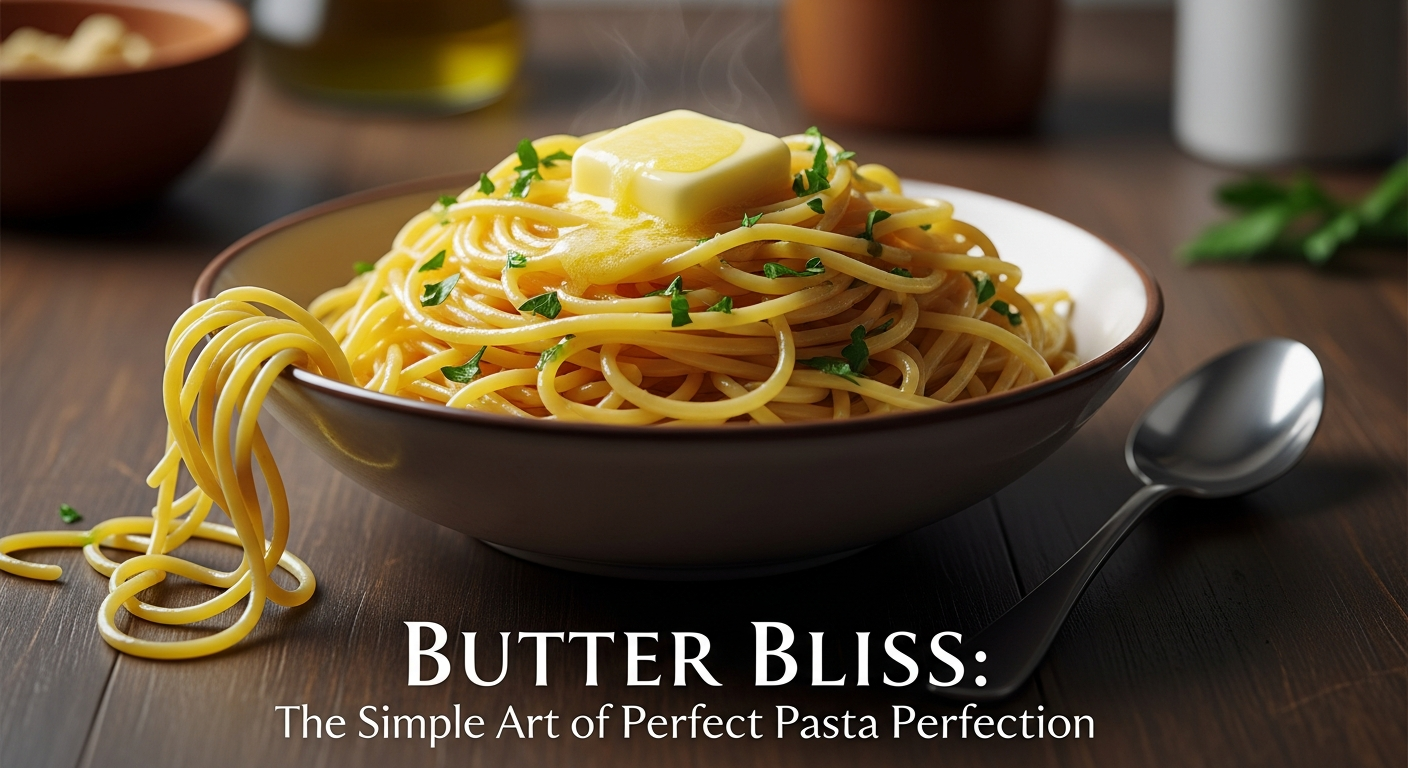
There’s something magical about the way butter transforms a simple plate of pasta into an indulgent masterpiece. In the realm of Italian cooking, where tradition meets technique, achieving pasta perfection is often less about complex sauces and more about embracing the buttery bliss that elevates every bite. “Butter Bliss: The Simple Art of Perfect Pasta perfection” invites you on a delicious journey to rediscover the humble ingredients and thoughtful techniques that turn ordinary noodles into remarkable comfort food. Whether you’re a seasoned chef or a curious home cook, this guide will unveil the secrets to silky, glossy, and utterly satisfying pasta that celebrates simplicity in its most delectable form.
Butter Bliss begins with selecting the perfect butter that transforms simple pasta into a luxurious feast. The marriage of creamy butter and starchy pasta water is a culinary secret that elevates every bite, while fresh herbs and expertly seasoned butters add layers of complexity. Here’s how to bring this artful technique into your kitchen,creating that silky,glossy sauce every pasta lover craves.
Prep and Cook Time
- Preparation: 10 minutes
- Cooking: 15 minutes
- Total Time: 25 minutes
Yield
Serves 4 elegantly satisfied diners
Difficulty Level
Medium – perfect for home cooks eager to elevate their pasta game
Ingredients
- 12 oz dried spaghetti or your preferred pasta
- 6 tbsp european-style butter (82% fat), cold and cubed
- 1 cup reserved pasta cooking water
- 1 tsp flaky sea salt, plus more to taste
- Freshly cracked black pepper, to taste
- 2 tbsp finely chopped flat-leaf parsley
- 1 tbsp chopped fresh basil
- 1 clove garlic, finely minced (optional)
- 1 tbsp freshly grated Parmesan cheese (optional)
- 1 tsp lemon zest (optional, for brightness)
Instructions
- Bring a large pot of salted water to a rolling boil. Add the pasta and cook untill just shy of al dente (about 1-2 minutes less than package instructions).
- Reserve 1 cup of pasta water before draining. The shimmering starch in this water is key to emulsification.
- Drain the pasta and promptly return it to the warm pot off the heat.
- Add 4 tablespoons of cold butter cubes to the pasta.Using tongs or a large spoon, toss vigorously to melt the butter slowly while coating every strand.
- Splash in ½ cup of reserved pasta water in small increments, tossing continuously. This gentle coaxing encourages the butter to emulsify with the water, binding into a glossy, silky sauce. If needed, add more pasta water until sauce coats pasta luxuriously.
- Season with flaky sea salt and freshly cracked black pepper. Stir in garlic if using, allowing its savory aroma to infuse briefly.
- Fold in the remaining 2 tablespoons of butter along with fresh parsley, chopped basil, and lemon zest. the herbs bring a radiant freshness that balances buttery richness.
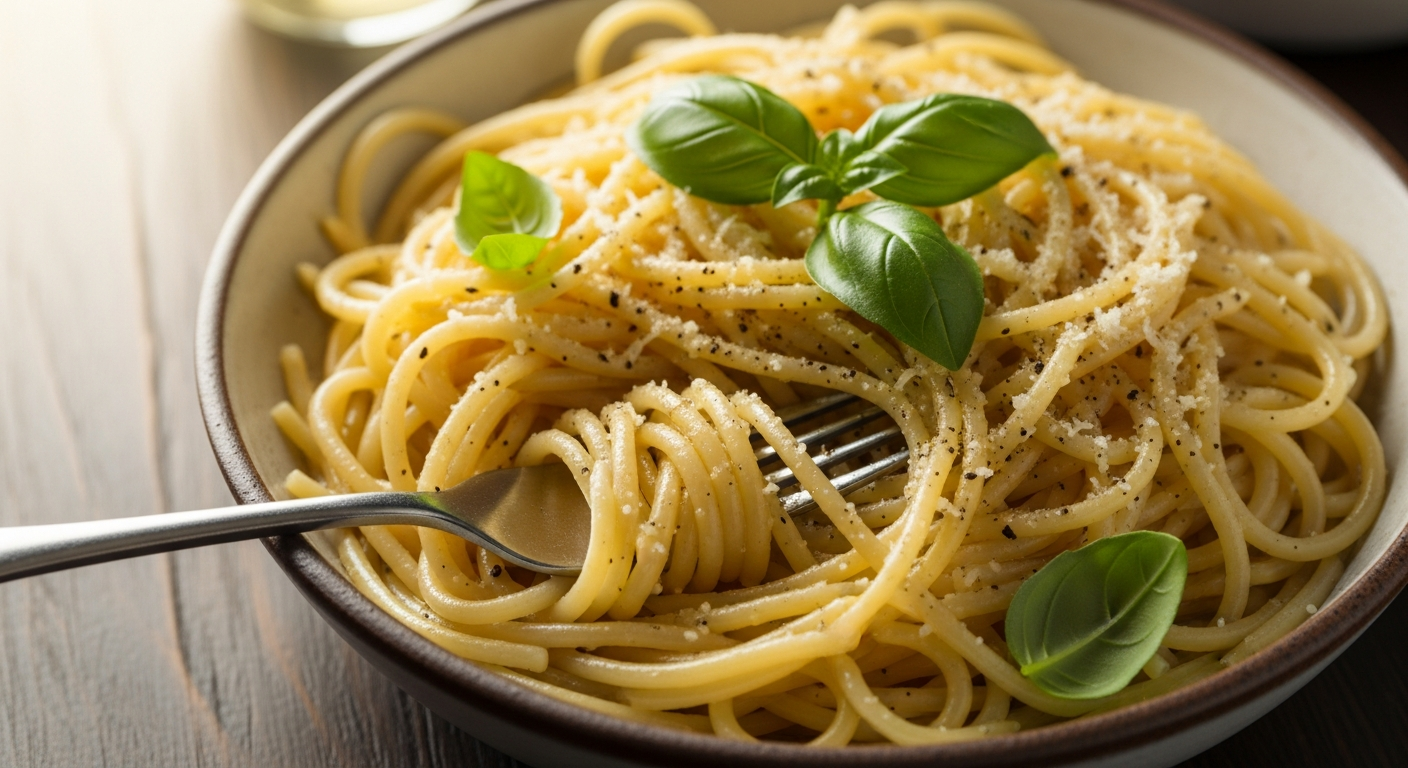
- Serve immediately, plating the pasta with a sprinkle of Parmesan cheese and a few extra herb leaves for a visually stunning finish.
Tips for Success
- Choosing butter: Opt for European-style butter-it’s creamier and less watery, ideal for an irresistibly smooth sauce.
- Temperature matters: Keep butter cold until mixing to better control emulsification; tossing the pasta off heat prevents butter from separating.
- Reserve enough pasta water: That starchy water is your emulsifying agent; if your sauce seems too thick or oily, a splash more pasta water fixes it beautifully.
- Herbs & seasoning: Fresh herbs should be added at the end to preserve their vibrant flavor; experiment with thyme or chives for variation.
- Make ahead: Butter pasta sauce shines freshly tossed but can be gently reheated with a touch of water-avoid overheating to prevent sauce breaking.
Serving Suggestions
Present your pasta in shallow bowls to showcase the glossy sauce catching the light. Garnish with freshly grated Parmesan, a drizzle of high-quality extra virgin olive oil, and a scattering of toasted pine nuts for crunch. Pair with a crisp white wine like Pinot Grigio to cut through the richness.

| Nutrient | Per Serving |
|---|---|
| Calories | 430 kcal |
| Protein | 12 g |
| Carbohydrates | 58 g |
| Fat | 15 g |
For deeper inspiration on pasta dishes, check out our Ultimate Garlic Shrimp Pasta Recipe. And for expert culinary chemistry behind emulsification, Serious Eats explains the science beautifully.
Q&A
Q&A: Butter Bliss – The Simple Art of Perfect Pasta Perfection
Q1: what is “Butter Bliss” in the context of pasta?
A: “Butter bliss” is the magical moment when simple, high-quality butter transforms plain cooked pasta into an irresistible, silky symphony of flavor and texture. It’s not about drowning pasta in a sauce, but about coaxing out its natural creaminess with the luscious, golden touch of butter-turning everyday noodles into an indulgent experience.
Q2: Why butter? Why not olive oil or tomato sauce?
A: Butter carries a unique richness and depth that olive oil or tomato sauce can’t replicate. Its creamy, slightly sweet profile coats each strand of pasta with a velvety finish, enhancing the taste without overpowering. While olive oil is fruity and tomato sauce vibrant, butter offers a mellow, luxurious base that lets the pasta’s texture and subtle flavor shine.
Q3: Is any butter good enough, or does it have to be special?
A: Like most things simple yet sublime, butter selection matters.Opt for unsalted, high-quality butter-preferably European-style with higher fat content for that extra creaminess. Freshness is key, too; fresh butter ensures a clean, sweet flavor that elevates the dish rather than masking imperfections.
Q4: How do you achieve this perfect “butter bliss” pasta step-by-step?
A:
- Cook your pasta slightly less than al dente, reserving some of the starchy pasta water.
- Drain the pasta but don’t dry it entirely-retain a bit of moisture.
- Return pasta to the warm pot or a pan over low heat.
- Add a generous knob of butter and a splash of reserved pasta water.
- Toss continuously to emulsify the butter with the pasta water, creating a glossy, creamy coating.
- Finish with a sprinkle of salt and freshly cracked pepper, maybe a grating of Parmesan or fresh herbs for contrast.
Q5: Can Butter Bliss be customized?
A: Absolutely! The beauty of this technique lies in its simplicity and adaptability. Add a squeeze of fresh lemon for brightness,crushed red pepper for heat,or minced garlic sautéed lightly in butter for depth. Fresh herbs like sage or basil, or a shower of toasted breadcrumbs, can elevate the buttered noodles into a gourmet delight.
Q6: What common mistakes should one avoid?
A: Avoid using cold butter straight from the fridge-it won’t melt evenly and can clump. Don’t overcook the pasta; undercooked or fully drained pasta won’t marry well with the butter.Lastly,err on the side of balance: too much butter can smother,too little will leave the pasta dry.Q7: Why is “Butter Bliss” considered an art rather than just a cooking step?
A: Because it’s a delicate dance-the timing, temperature, and technique all align to create harmony between butter and pasta.Mastering this art means understanding how ingredients interact, learning to trust your senses, and appreciating that real perfection often lies in the simplest, most thoughtful touches.
Turn your kitchen into a sanctuary of butter bliss and discover that pasta perfection doesn’t have to be intricate-it just has to be buttery, stunning, and blissful.
The Conclusion
As the final whirl of butter melts seamlessly into your pasta, you realize that perfection isn’t just about fancy sauces or exotic ingredients-it’s about the simple, thoughtful touches that elevate every bite. Butter bliss teaches us that greatness often lies in subtlety: the gentle coating of golden butter, the careful seasoning, and the patient harmony of textures. So next time you crave pasta, remember that achieving culinary nirvana might just be a spoonful of butter away, transforming everyday noodles into an indulgent, buttery masterpiece. Embrace the art of simplicity, and let your kitchen be the stage where perfect pasta takes its most delightful bow.