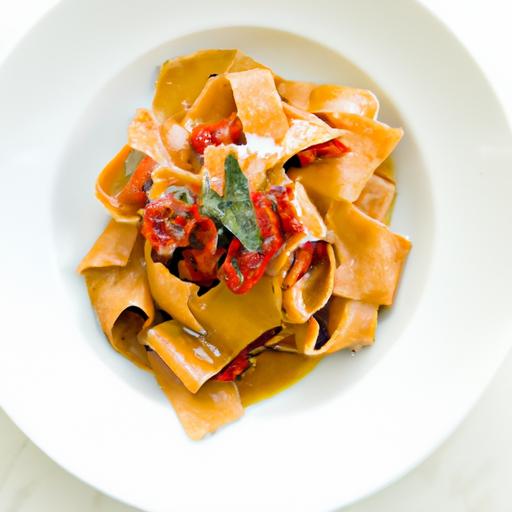

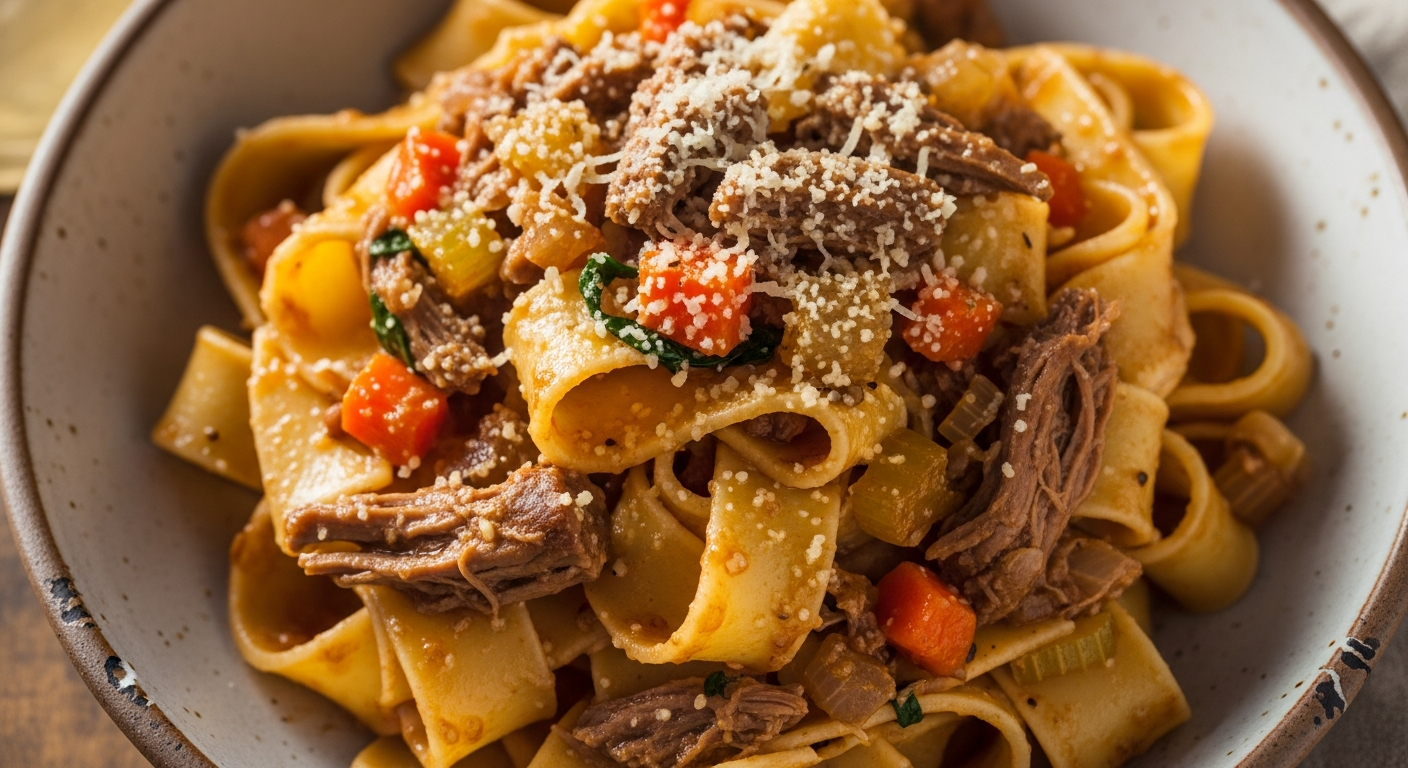
Picture this: wide, ribbon-like strands of pasta, silky and tender, draped effortlessly across yoru plate, begging to be twirled and savored. Pappardelle,with its rich heritage and hearty texture,is more than just a noodle – it’s an invitation to dive into a world of rustic Italian flavors and culinary artistry.in this guide, we’ll unravel the secrets to mastering pappardelle from scratch, explore tantalizing recipes that celebrate its versatility, and share tips to elevate your pasta game to new, mouthwatering heights. Whether you’re a seasoned cook or a curious kitchen adventurer, prepare to transform simple ingredients into an unforgettable dining experience. Let’s roll up our sleeves and make pappardelle the star of your next meal.
Mastering Pappardelle begins with understanding how to select the finest ingredients, skillfully craft the dough, and create sauces that truly honor this wide ribbon pasta’s rustic charm.This dish evokes the rolling hills of tuscany,where hearty,handmade pasta meets rich,comforting flavors-a testament to tradition and the joy of slow cooking.
Prep and cook Time
- Preparation: 30 minutes
- Resting and Rolling: 60 minutes
- Cooking: 5-7 minutes
- Total Time: Approximately 1 hour 45 minutes
Yield
Serves 4 generous portions
Difficulty Level
Medium – ideal for adventurous home cooks ready to elevate their pasta skills
Ingredients
- 2 cups all-purpose flour, sifted plus extra for dusting
- 3 large fresh eggs, at room temperature
- 1 tbsp extra virgin olive oil
- 1 tsp fine sea salt
- For the sauce: 2 tbsp unsalted butter
- 1 cup heavy cream
- 1/2 cup grated Parmigiano-Reggiano cheese
- Freshly ground black pepper, to taste
- Optional: 1 cup wild mushrooms, cleaned and sliced
Instructions
- make the dough: On a clean surface, mound the sifted flour and hollow out the center to form a well.Crack the eggs into the well, then add the olive oil and salt.
- Combine ingredients: Use a fork to gently whisk the eggs,gradually incorporating flour from the edges until a sticky dough forms.
- Knead the dough: Using your hands, knead the dough vigorously for about 10 minutes until smooth and elastic. Wrap in plastic wrap and let it rest for 45 minutes at room temperature.
- Roll the dough: Cut the rested dough into 2 pieces. Using a rolling pin or pasta machine, roll each piece into thin sheets about 1/16 inch thick, dusting lightly with flour to prevent sticking.
- Cut the pappardelle: Fold each sheet loosely and slice into wide ribbons roughly 3/4 to 1 inch in width.Gently unfold the strips and dust with flour to avoid clumping.
- Prepare the sauce: In a large skillet, melt the butter over medium heat. Add mushrooms if using, sauté until golden brown (about 5 minutes), stirring occasionally. Pour in the cream and simmer gently until slightly thickened, about 7 minutes.
- cook the pasta: Bring a large pot of salted water to a boil.Add pappardelle and cook for 3 to 5 minutes until tender but firm (al dente). Drain, reserving 1/4 cup pasta water.
- Combine & serve: Toss the cooked pasta with the cream sauce, adding reserved pasta water to achieve the desired consistency. Stir in Parmigiano-Reggiano and season with black pepper. Serve immediately, garnished with fresh chopped parsley or extra cheese.
Tips for Success
- Flour choice: Use a combination of all-purpose and ’00’ flour for a silkier dough if available, enhancing elasticity and texture.
- Resting the dough: Allowing the dough to rest is crucial-it helps the gluten relax,making rolling easier and preventing shrinkage during cooking.
- Rolling technique: Whether by hand or machine, aim for an even thinness for consistent cooking and that irresistible delicate bite.
- Cutting ribbons: use a sharp knife or a pizza cutter for clean edges to avoid ragged,uneven pasta strips.
- Make-ahead: Fresh pappardelle can be dried on a pasta drying rack or carefully layered with parchment paper between folds and refrigerated for up to 24 hours before cooking.
Serving Suggestions
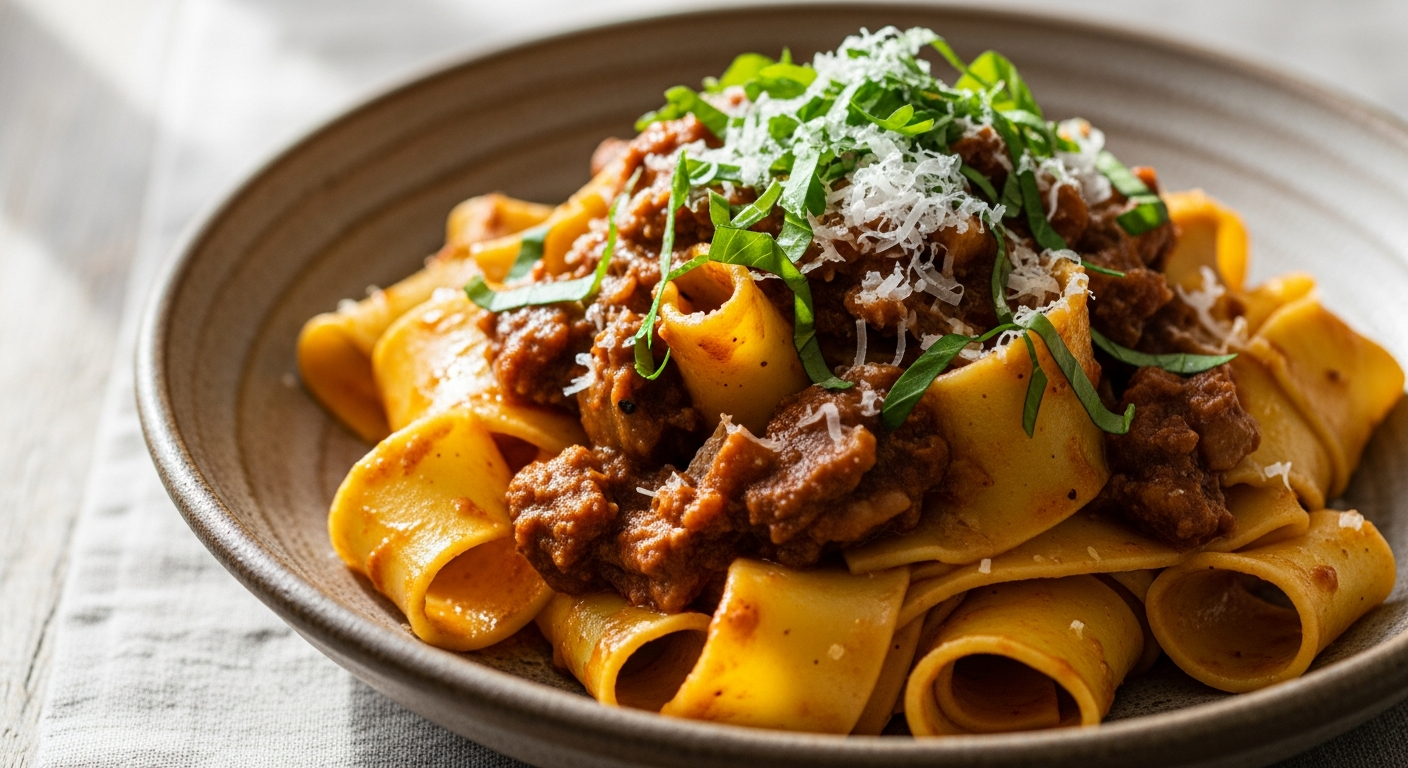
Pair your pappardelle with a rich game ragù, a classic Tuscan wild boar sauce, or keep it light with sautéed seasonal vegetables tossed in olive oil and garlic. Finish with a sprinkle of fresh herbs like sage or rosemary for aromatic flair. Serve alongside a bold red wine such as Chianti for an authentic Italian experience.
| Nutrient | Per Serving |
|---|---|
| Calories | 460 kcal |
| Protein | 15 g |
| Carbohydrates | 58 g |
| Fat | 14 g |
Explore more pasta-making techniques for your culinary journey. For additional pasta dough science and tips, see this guide by Serious Eats.

Q&A
Q&A: Mastering Pappardelle – A Delicious Pasta Recipe Guide
Q1: What exactly is pappardelle, and what makes it unique compared to other pasta shapes?
A1: Pappardelle is a broad, flat ribbon pasta, typically about 2 to 3 centimeters wide. Its name derives from the Italian verb pappare, meaning “to gobble up,” perfectly capturing the pasta’s hearty appeal. Unlike slender strands like spaghetti or delicate shapes like farfalle, pappardelle’s wide surface area is ideal for holding rich, robust sauces-allowing every bite to be bursting with flavor.
Q2: What type of sauces pair best with pappardelle?
A2: Think big, bold, and luscious sauces when cooking for pappardelle. It loves thick ragùs, such as traditional Tuscan wild boar or a slow-cooked beef and mushroom sauce. Creamy mushroom stroganoff and rich tomato-based sauces with chunks of meat or vegetables also cling beautifully to the wide noodles. The pasta’s generous surface ensures the sauce doesn’t slip away but stays lovingly wrapped around every strand.
Q3: Can I make pappardelle from scratch, or is store-bought pasta just as good?
A3: Both options have their charms! Fresh homemade pappardelle boasts a tender yet chewy texture that can elevate your dish to restaurant-quality levels.Making it from scratch lets you experiment with flavoring the dough with herbs,spinach,or even saffron. However, high-quality store-bought pappardelle can still provide excellent results-perfect for weeknight dinners when time is short or when you wont to focus on your sauce mastery.
Q4: What’s a foolproof method to cut perfect pappardelle ribbons?
A4: If you’re rolling out pasta dough at home, aim for a thickness similar to fettuccine (about 1.5-2 mm). Use a sharp knife or a pasta cutter wheel to slice the dough into wide ribbons about 2 to 3 cm across. For a rustic touch, you can even use a pizza cutter. Dust the ribbons lightly with flour to prevent sticking and hang them over a drying rack or lay flat separated on a floured surface until ready to cook.Q5: Any tips for cooking pappardelle to perfection?
A5: Because pappardelle is thicker than some other pastas, it benefits from a generous pot of boiling salted water. Cook it just until al dente-usually 3 to 5 minutes fresh, or 7 to 10 minutes if dried. Always taste test early! Once cooked, drain quickly and toss immediately in your sauce while the pasta is hot, allowing it to absorb all the delicious flavors.
Q6: How can I elevate my pappardelle dish beyond the basics?
A6: Elevation is all about layers of flavor and texture. Garnish with freshly grated parmesan or Pecorino Romano, sprinkle toasted pine nuts or walnuts for crunch, and finish with fresh herbs like sage or basil. For a decadent twist, add a splash of truffle oil or stir in a dollop of mascarpone cheese. Pairing it with a crisp glass of Italian red wine like Chianti or Barolo seals the experience beautifully.Q7: What cultural or regional significance does pappardelle have in Italy?
A7: Pappardelle hails from central Italy, especially Tuscany and Emilia-Romagna, regions renowned for their rich culinary traditions. In Tuscany, it’s synonymous with hearty game meat dishes, reflecting the region’s hunting heritage. Serving pappardelle at family gatherings or festive occasions is a party of abundance and rustic simplicity-comfort food that tells stories as much as it satisfies appetites.
Ready to roll up your sleeves and dive into the world of pappardelle? With this guide, you’re well on your way to mastering a pasta that’s as versatile as it is delicious-bringing a taste of Italy straight to your kitchen table. Buon appetito!
Concluding Remarks
As the final strands of pappardelle twirl onto your fork,you’ll realize that mastering this luscious pasta is more than just a culinary feat-it’s an invitation to savor tradition,texture,and taste with every bite. Whether you choose a rich,meaty ragù or a light,herb-infused sauce,the wide ribbons of pappardelle hold endless possibilities to elevate your kitchen adventures. armed with the techniques and tips from this guide, you’re now ready to transform simple ingredients into a masterpiece that honors the art of Italian cooking. So roll up your sleeves,embrace the dough,and let your creativity flow-because mastering pappardelle means crafting not just a meal,but a delicious story waiting to be shared.