
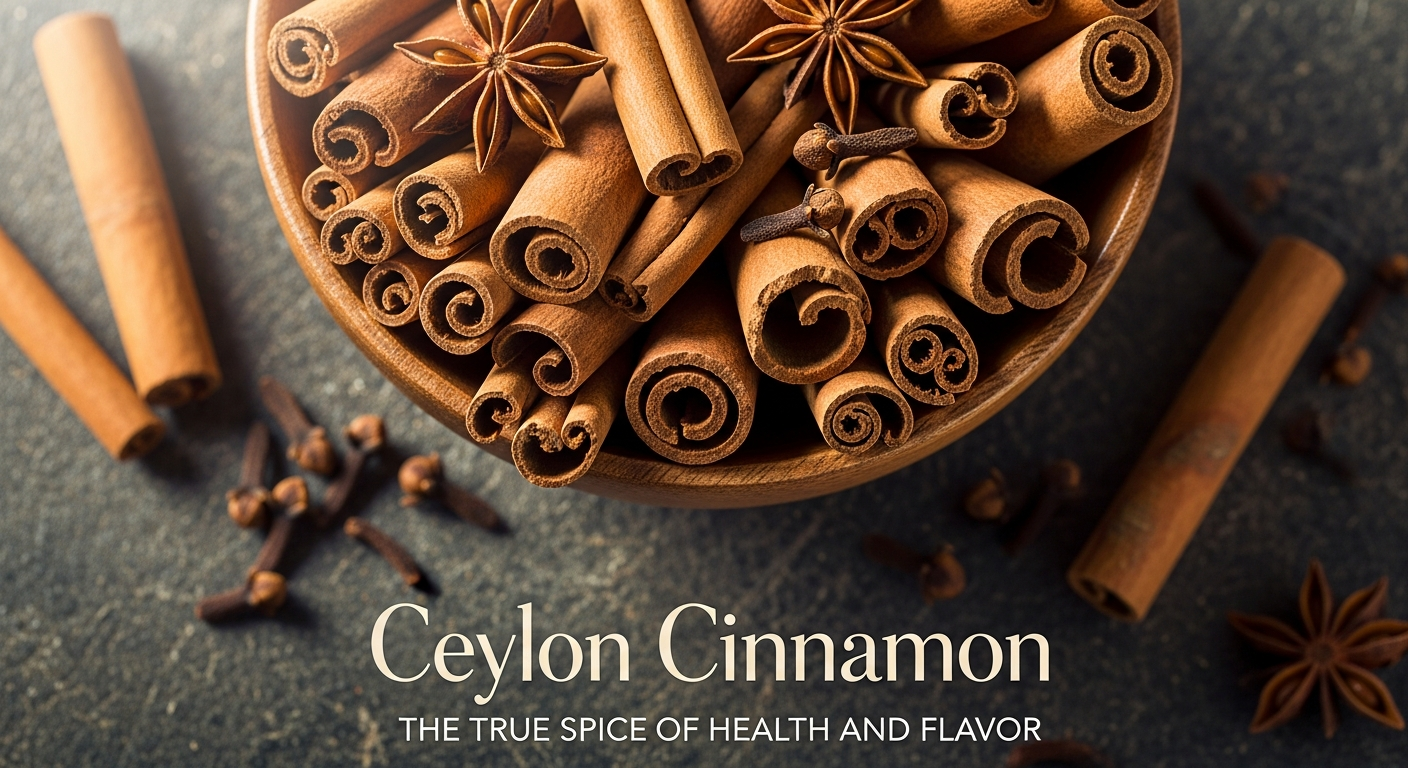
In the world of spices, few treasures boast a legacy as rich and enchanting as Ceylon cinnamon. Often hailed as the “true cinnamon,” this golden-hued bark is much more than a fragrant seasoning-it is a celebration of history, health, and culinary artistry. From the misty hills of sri Lanka, where it is meticulously harvested by skilled hands, Ceylon cinnamon journeys into kitchens worldwide, infusing dishes with its delicate sweetness and complex warmth. But beyond its captivating flavor lies a powerhouse of health benefits, revered for centuries in traditional medicine and now backed by modern science. Join us as we unravel the story of Ceylon cinnamon, exploring why it stands apart as the genuine spice of both flavor and wellness.
Ceylon Cinnamon, known as the “true cinnamon,” carries with it centuries of rich history and a distinctive flavor that sets it apart from other varieties. Originating from the lush island of Sri Lanka, this prized spice has woven itself into global culinary traditions and healing practices. Its delicate, subtly sweet aroma hints at its unique bark composition, making it a favorite among chefs and health enthusiasts alike. I remember the first time I brewed Ceylon Cinnamon in my kitchen; the warm scent instantly transformed the space, promising health and comfort in every sip.
Prep and Cook Time
- Readiness: 10 minutes
- Cooking: 5 minutes
- Total Time: 15 minutes
Yield
Serves 4 (beverage servings or spice infusion)
Difficulty Level
Easy
Ingredients
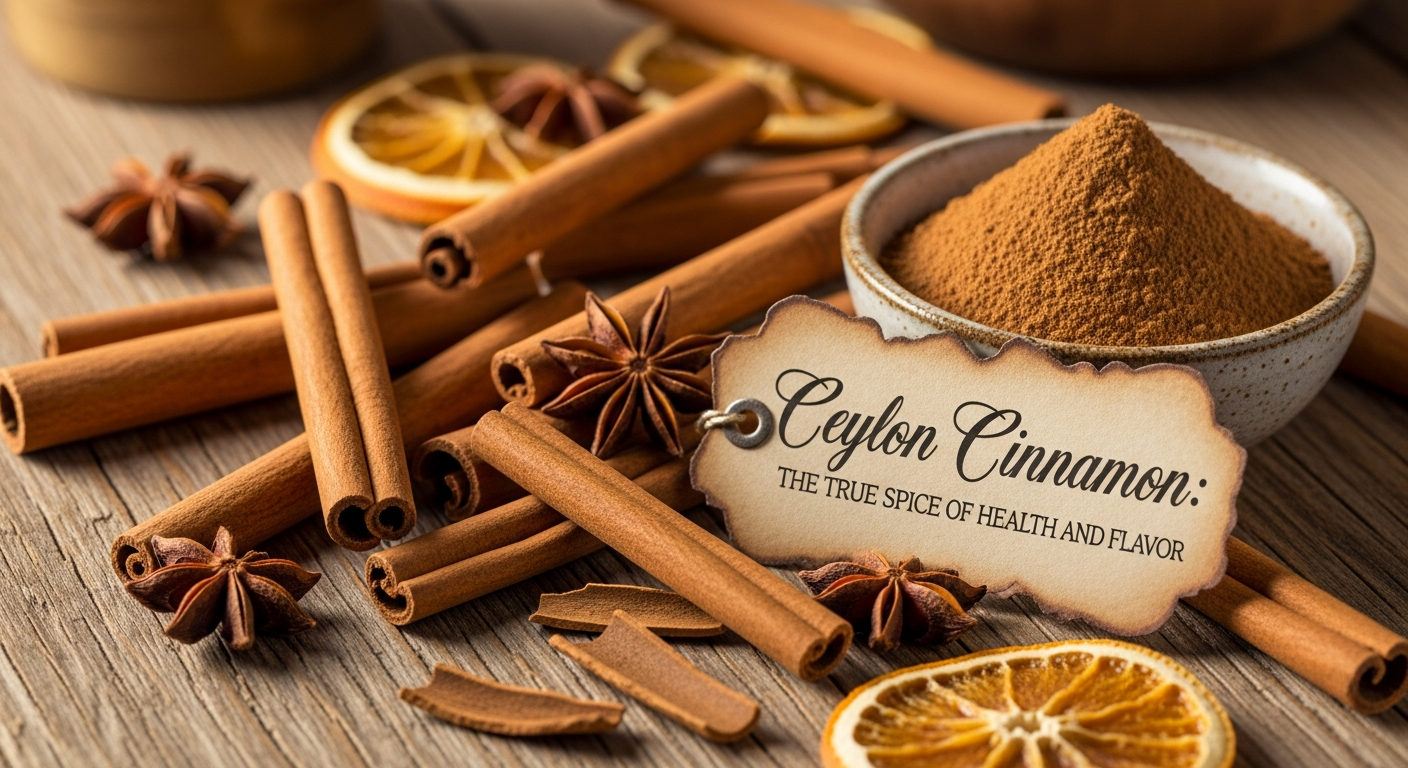
- 3 sticks (about 6 grams) of authentic Ceylon Cinnamon bark
- 4 cups water
- 1 tablespoon honey or maple syrup (optional)
- 1 fresh lemon slice (optional, for serving)
- 1 small piece of fresh ginger (about 1 inch, peeled and sliced, optional)
Instructions
- Prepare the cinnamon water infusion: In a medium saucepan, combine 4 cups of water with the Ceylon Cinnamon sticks and optional fresh ginger for an aromatic depth.
- bring too a boil: Heat the mixture over medium-high heat until it starts to boil.
- Simmer gently: Reduce heat to low and simmer uncovered for 10 minutes, allowing the essential oils and active compounds to infuse fully into the water.
- strain: Remove from heat and strain the liquid into a teapot or heat-safe container, discarding the cinnamon sticks (you can dry and reuse them once more).
- Sweeten (optional): Stir in 1 tablespoon of honey or maple syrup while the infusion is still warm for a gentle sweetness.
- Serve: Pour into cups and add a fresh lemon slice for brightness, which also enhances the antioxidant properties.
Tips for Success
- Use only true Ceylon Cinnamon to benefit from its delicate flavor and superior health properties. Cassia cinnamon, while cheaper, has a much stronger, harsher taste and contains coumarin, which should be consumed sparingly.
- For a more intense infusion, break the cinnamon sticks in half to expose more surface area but avoid grinding, which can cloud the liquid.
- If you plan to store the cinnamon infusion, keep it in a sealed container in the refrigerator and consume within 48 hours for optimal freshness and potency.
- Experiment with complementary spices like cardamom pods or star anise to create a warming, aromatic blend.
Serving Suggestions
This exquisite Ceylon Cinnamon infusion can be enjoyed hot or cold, making it perfect for every season. Serve it with a twist of lemon and a sprig of fresh mint to elevate the presentation. For a cozy treat, pair it with a slice of almond biscotti or drizzle it over creamy yogurt with fresh berries. Use as a base for smoothies or morning oats to introduce subtle warmth and a hint of sweetness without added sugar.
| Nutrient | Per 1 cup (240 ml) |
|---|---|
| Calories | 10 |
| Protein | 0.1 g |
| Carbs | 2.7 g |
| Fat | 0 g |
Discover more ways to amplify your dishes with spiced desserts featuring Ceylon Cinnamon. For more scientific insights on the health effects of cinnamon, visit the NIH Cinnamon Review.

Q&A
Q&A: Ceylon Cinnamon – The True Spice of Health and Flavor
Q1: What exactly is Ceylon cinnamon, and how is it diffrent from other types of cinnamon?
A1: Ceylon cinnamon, often hailed as the “true cinnamon,” comes from the inner bark of the Cinnamomum verum tree native to sri Lanka (formerly called Ceylon). Unlike the common Cassia cinnamon-which tends to be darker, thicker, and stronger in flavor-Ceylon cinnamon is lighter, softer, and has a delicate, sweet, and citrusy aroma. Its subtle complexity makes it a culinary treasure and a gentler choice for health purposes.
Q2: Why is Ceylon cinnamon considered the “true spice of health”?
A2: Loaded with antioxidants, anti-inflammatory compounds, and essential oils, ceylon cinnamon offers more than just flavor-it’s a nutritional powerhouse. It’s prized for its potential to help regulate blood sugar levels, improve digestion, support heart health, and even combat bacterial infections. What makes it truly special is that it contains very low levels of coumarin, a substance that in larger doses can harm the liver-a concern with other cinnamon types like Cassia.
Q3: How can incorporating Ceylon cinnamon enrich everyday cooking?
A3: The beauty of Ceylon cinnamon lies in its versatility. Its sweet and mild profile enhances everything from morning oatmeal and smoothies to savory dishes like curries and marinades. Sprinkle it on roasted vegetables, blend it into sauces, or stir it into your coffee-the gentle warmth of Ceylon cinnamon adds layers of aroma and depth without overpowering other flavors.
Q4: What should consumers look for when buying Ceylon cinnamon?
A4: Authentic Ceylon cinnamon is often sold as thin, soft, tan-colored quills that can be easily broken by hand. Ground Ceylon cinnamon tends to be lighter and finer. To ensure your getting the real deal, check the product label for “Cinnamomum verum” or “Ceylon cinnamon” specifically, and beware of cheaper Cassia varieties masquerading as cinnamon. Sourcing from reputable sellers or those specializing in Sri Lankan spices is a good bet.
Q5: Are ther any precautions or side effects associated with consuming Ceylon cinnamon?
A5: Because Ceylon cinnamon contains very little coumarin, it’s generally considered safe even with regular consumption in culinary amounts. However, like any spice, moderation is key. Extremely high doses could potentially cause digestive discomfort, so it’s wise to enjoy it as a complement-rather than a concentrate-in your diet. If you’re on medication or have specific health conditions, consulting a healthcare provider is always recommended.
Q6: Can Ceylon cinnamon be used as a natural remedy?
A6: Absolutely! Traditional medicine systems have long valued Ceylon cinnamon for its healing properties.Modern studies back its role in balancing blood sugar and cholesterol levels, supporting antimicrobial defenses, and reducing inflammation. While it’s no magic cure, incorporating Ceylon cinnamon as a natural supplement alongside a healthy lifestyle can be a flavorful step toward wellness.
Q7: What cultural significance does Ceylon cinnamon hold?
A7: Beyond its health and culinary virtues, Ceylon cinnamon has deep roots in Sri Lankan heritage-symbolizing warmth, hospitality, and abundance. It was once one of the world’s most treasured spices, inspiring exploration, trade routes, and even conflicts. Today, it remains a cultural emblem and proudly represents the island’s rich biodiversity and artisanal spice craftsmanship.
In essence, Ceylon cinnamon isn’t just a spice-it’s a subtle symphony of flavor and health, a genuine gift from nature to enliven our plates and nourish our bodies. Whether sprinkled on desserts or stirred into wellness practices, its true essence promises both deliciousness and vitality.
To Conclude
As we’ve unraveled the rich tapestry of Ceylon cinnamon-a spice steeped in history, bursting with flavor, and brimming with health benefits-it becomes clear that this “true cinnamon” is far more than a kitchen staple. It’s a timeless elixir connecting ancient wisdom with modern wellness,a fragrant thread weaving health and flavor into our daily lives. So next time you sprinkle that delicate, warm aroma into your tea or dish, remember you’re embracing a legacy of natural goodness that has stood the test of centuries. Ceylon cinnamon isn’t just a spice; it’s an invitation to savor life with every wholesome bite.