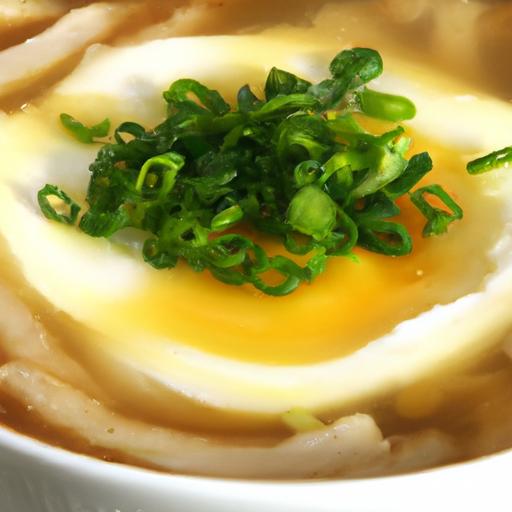

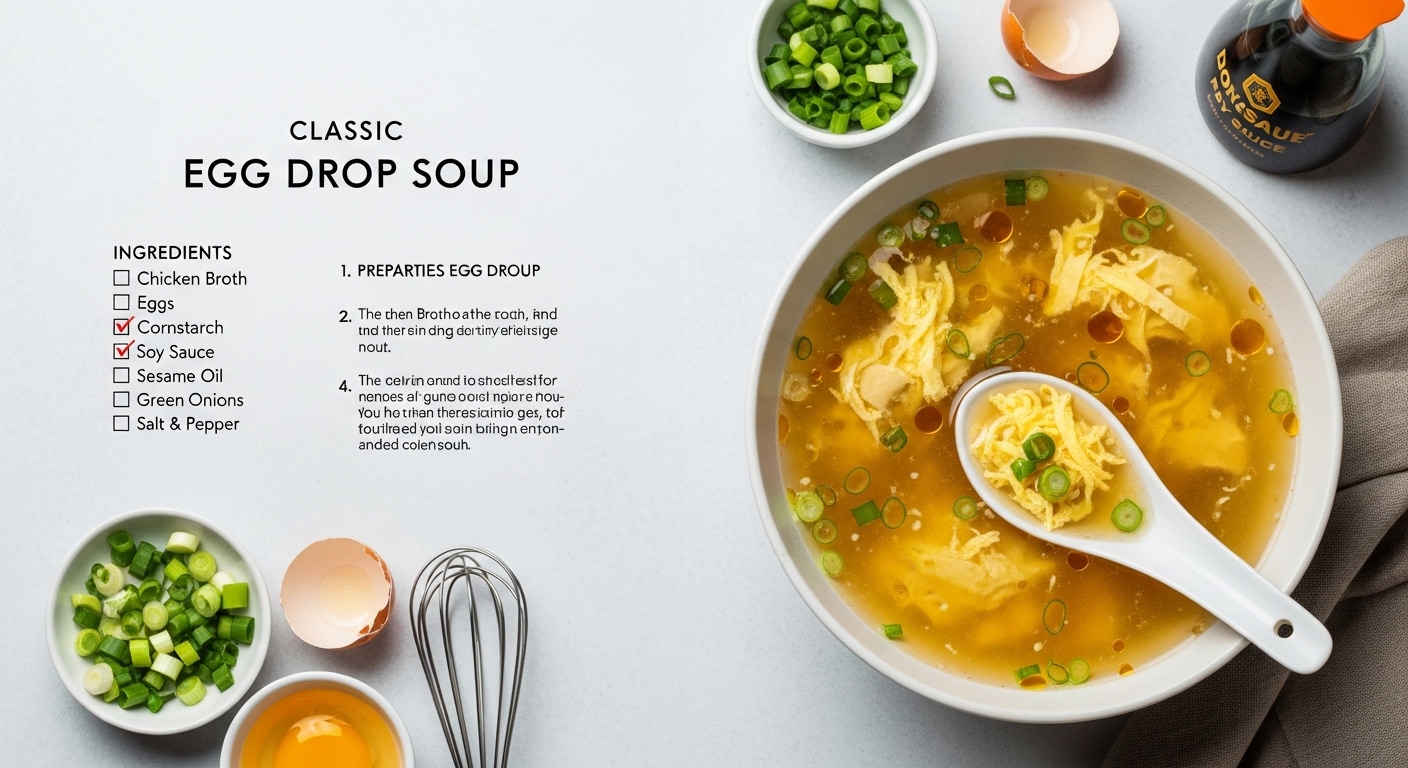
Egg drop soup is a timeless bowl of comfort-simple yet sophisticated, humble yet profound. At first glance,it may seem like just a swirl of beaten eggs cascading into hot broth,but beneath its delicate surface lies a engaging interplay of culinary art and precise science. Crafting the perfect egg drop soup demands more than just tossing eggs into simmering liquid; it requires understanding the subtle dance of temperature,timing,and technique that transforms humble ingredients into a silky,flavorful masterpiece. in this article,we’ll unravel the secrets behind that velvety texture and savory depth,exploring how tradition meets technique to elevate this beloved soup from kitchen staple to culinary marvel.
The Art and Science Behind Perfect Egg Drop Soup Recipes begins with understanding the harmony between simple ingredients and precise technique that transforms a humble broth into a comforting, silky masterpiece. Originating from classic Chinese home kitchens, egg drop soup captures the essence of tradition and elegance – a dance of delicate egg ribbons swirling effortlessly through savory, umami-rich broth. This recipe post will guide you through the essential components and culinary finesse needed to recreate that restaurant-quality clarity and depth in your own kitchen.
Prep and Cook Time
- Readiness: 10 minutes
- Cook Time: 15 minutes
- Total Time: 25 minutes
Yield
Serves 4 generous bowls
Difficulty Level
Easy to Medium - Perfect for home cooks seeking finesse with minimal fuss
Ingredients
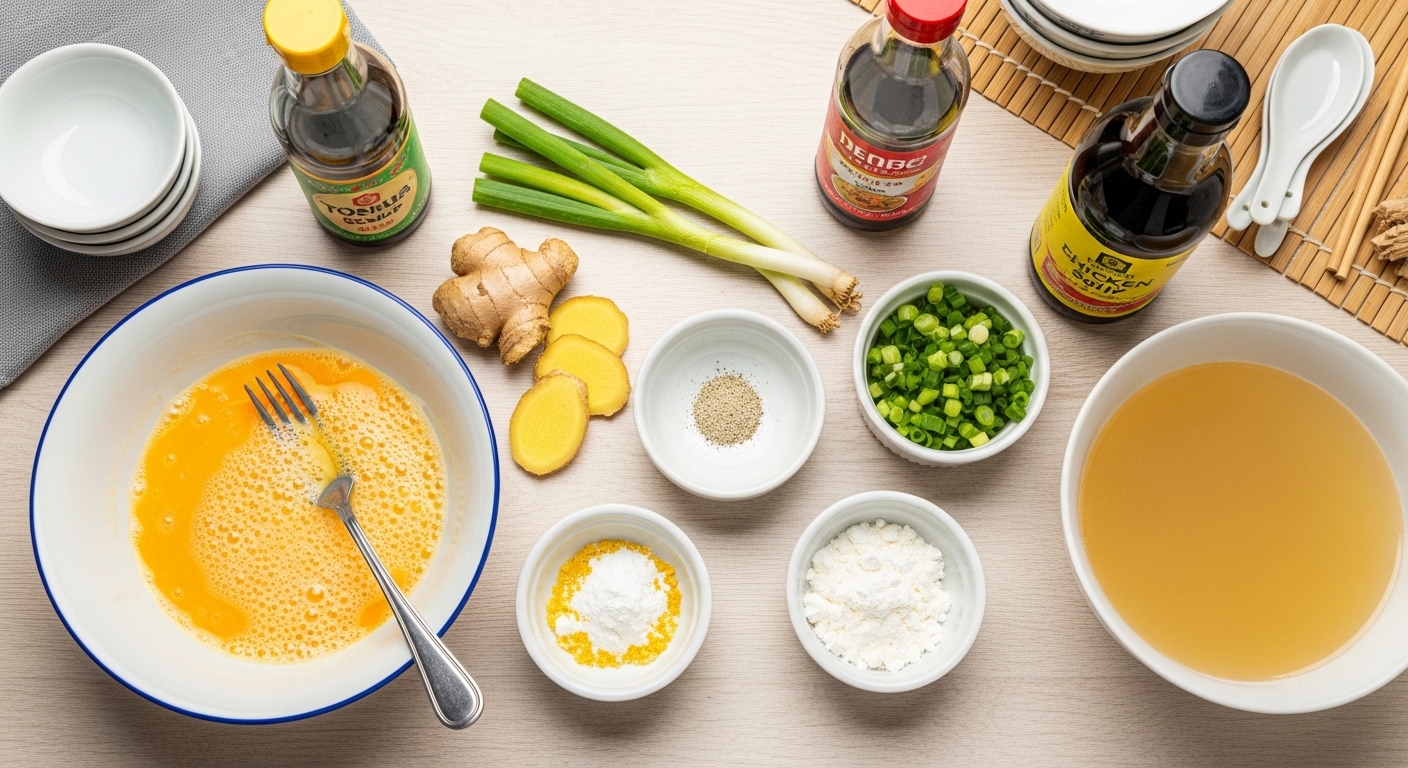
- 4 cups low-sodium chicken broth (preferably homemade or high-quality store-bought)
- 3 large eggs, lightly beaten
- 1 tablespoon cornstarch mixed with 2 tablespoons cold water (for slurry)
- 1 teaspoon freshly grated ginger
- 2 cloves garlic, minced
- 1 teaspoon soy sauce (adjust to taste)
- 1 teaspoon toasted sesame oil
- salt and white pepper to taste
- 2 green onions, thinly sliced (white and green parts separated)
- Optional: a pinch of dried white pepper or a few drops of chili oil for subtle heat
Instructions
- Prepare the broth: In a medium saucepan, bring your chicken broth to a gentle simmer over medium heat. Add the grated ginger and minced garlic to infuse the broth with aromatic depth.
- Mix the slurry: Stir the cornstarch and cold water together until smooth. Slowly whisk the slurry into the simmering broth to create a delicate, slightly thickened base that will perfectly cradle the egg ribbons.
- Season: Stir in the soy sauce and toasted sesame oil. Taste and adjust seasoning with salt and white pepper. Maintaining balance ensures every spoonful bursts with savory richness yet stays light.
- Create the egg ribbons: Reduce the heat to low. With your dominant hand, slowly drizzle the beaten eggs into the broth using a fork or chopsticks. Stir gently in a circular motion with the other hand to coax the eggs into thin, silky ribbons.
- Remove from heat: Once the ribbons form and float on the surface-this should take about 30 seconds-turn off the heat instantly to preserve the tender texture.
- Garnish and serve: Sprinkle the white parts of green onions into the soup for some crunch and mild pungency. Ladle into bowls and top with the green parts of the onions and optionally, a dash of chili oil for visual contrast and kick.
Chef’s Notes and Tips for success
- For that signature silkiness, ensure the broth is at a gentle simmer – not a rolling boil – when adding the egg. High heat causes curdling and uneven texture.
- Egg temperature matters: Room temperature eggs blend more smoothly and create finer ribbons than cold from the fridge.
- Customize texture by adjusting the speed of your egg drizzle: faster results in smaller, delicate strands; slower produces broader ribbons.
- Make it vegetarian: Substitute chicken broth with a rich vegetable broth and add finely diced mushrooms for umami.
- Preparing the broth ahead allows flavors to deepen; simply reheat gently before adding the egg ribbons.
- For vibrant color and nutrition, toss in fresh baby spinach or julienned carrots during the simmering stage.
Serving Suggestions
Present your egg drop soup steaming hot in handcrafted ceramic bowls to emphasize warmth and simplicity. Accompany with bite-sized homemade dumplings or a fresh scallion pancake for a comforting meal. Garnishes like crispy fried shallots, a sprinkle of toasted sesame seeds, or a drizzle of chili oil not only elevate the aroma but invite excitement with each spoonful. For a final flourish, a few fresh cilantro leaves add brightness and color contrast.
| Nutrient | Per serving |
|---|---|
| Calories | 120 kcal |
| Protein | 8 g |
| Carbohydrates | 6 g |
| Fat | 6 g |

For further exploration of Chinese broths and soup techniques,visit the Serious Eats Chinese Soups Guide. Incorporating these insights will deepen your understanding and mastery of soup crafts as you continue your culinary journey.
Q&A
Q&A: The Art and Science Behind Perfect Egg Drop Soup Recipes
Q1: What makes egg drop soup more than just a simple broth with eggs?
A1: At first glance, egg drop soup appears straightforward-just broth and whisked eggs. But its magic lies in the delicate balance of technique and timing. The way the eggs are added, the temperature of the broth, the seasoning nuances-all combine to create a comforting yet sophisticated dish. It’s an elegant dance where culinary art meets science, resulting in silky, feathery ribbons of egg floating in a savory sea.
Q2: How does temperature affect the texture of the eggs in the soup?
A2: Temperature is crucial. If the broth is too hot,the eggs cook too quickly and turn rubbery or chunky. Too cool,and the eggs won’t set properly,becoming unpleasantly watery. the ideal is a gentle simmer-around 180°F (82°C)-which allows the eggs to form those signature soft, cloud-like strands. It’s about controlling heat to coax out just the right texture.
Q3: Why is the technique of adding the eggs so vital?
A3: Technique transforms the egg from a simple ingredient into artful wisps. Slowly drizzling or pouring the beaten eggs while stirring the broth in a circular motion creates thin ribbons that dance in the soup. Pouring too fast or adding eggs in large blobs leads to clumpy, uneven curds. The stirring motion, sometimes referred to as creating a vortex, guides the eggs to form lace-like patterns that are as beautiful as thay are delicious.
Q4: can the choice of broth transform the soup?
A4: Absolutely.traditionally, chicken broth provides a savory, comforting base, but experimenting with vegetable or mushroom broth adds layers of complexity. A rich, well-seasoned broth acts as the soul of the soup-it doesn’t just support the eggs but elevates them. The science here is about umami balance, where amino acids deepen flavor and harmonize with the eggs’ subtle silkiness.
Q5: Are ther scientific reasons for adding cornstarch or thickening agents?
A5: Yes, incorporating cornstarch slurry isn’t just for show-it alters the mouthfeel and viscosity. Scientifically, the starch molecules absorb water and swell during heating, thickening the broth and creating a luscious, velvety texture. This thicker base helps suspend the egg ribbons evenly, offering a luxurious consistency without overpowering the delicate egg strands.
Q6: How can one customize egg drop soup without losing its essence?
A6: Customization is a creative playground, but the essence lies in balance. Small additions like fresh ginger, scallions, white pepper, or sesame oil enhance depth without overshadowing the eggs. Experimenting with soy sauce or a touch of chili oil introduces new flavor dimensions-each tweak is a note in the symphony. The key is respecting the essential interplay of eggs and broth while letting your palate guide thoughtful innovation.
Q7: What cultural or historical elements influence egg drop soup’s preparation?
A7: Egg drop soup reflects centuries of Chinese culinary philosophy-simplicity combined with precision. Historically a humble, comforting dish, it has evolved while retaining its core techniques. The minimalist yet meticulous approach exemplifies balance in Chinese cooking-where every ingredient and method must harmonize. This heritage imparts an thankfulness for patience, respect for ingredients, and the pursuit of that perfect, ephemeral texture.
Q8: Any final tips to achieve the perfect egg drop soup at home?
A8: Patience is your best friend. Use fresh eggs and a high-quality broth. Maintain a gentle simmer, drizzle eggs slowly while stirring steadily, and season gradually-taste as you go. Remember, it’s both art and science: trust your instincts, but honor the principles. With practice, your kitchen becomes a laboratory, and each bowl of egg drop soup a masterpiece of culinary chemistry and creativity.
Closing Remarks
As the delicate strands of egg swirl gracefully through the simmering broth, we come to appreciate that perfecting egg drop soup is truly where art meets science. Each whisk, each simmer, and each splash of seasoning contributes to a harmonious dance of texture and flavor-a culinary symphony that delights both the palate and the mind. Whether you approach it as a mindful experiment or a comforting ritual, mastering this timeless classic invites you to explore the subtle chemistry behind its simplicity and the artistry in every bowl. So next time you ladle out a steaming cup, savor not just the warmth on your lips, but the intricate balance of technique and tradition that makes egg drop soup a masterpiece worth tasting again and again.