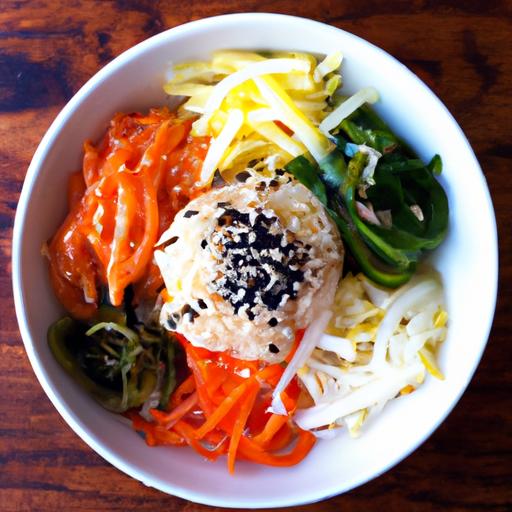

In the vibrant world of Korean cuisine, few dishes capture the harmony of flavors and colors quite like bibimbap. A delightful medley of fresh vegetables, fragrant rice, and savory sauces, bibimbap invites you to experience a culinary dance that’s both nourishing and satisfying. For those embracing a vegetarian lifestyle-or simply seeking a wholesome, plant-powered meal-vegetarian bibimbap offers a spectacular way to savor tradition without compromise. Join us as we explore the art of crafting this iconic dish,uncover the secrets behind it’s balanced ingredients,and celebrate the bliss that comes from every hearty,colorful bite. Welcome to your guide to vegetarian bibimbap bliss.
Savor the Flavors: A Guide to Vegetarian Bibimbap Bliss invites you into the vibrant world of Korean cuisine, where every bite tells a story of balance, color, and texture. This beloved dish, known for its harmonious mix of perfectly seasoned vegetables, warm rice, and bold gochujang sauce, is a celebration of freshness and creativity. Vegetarian bibimbap isn’t just a meal-it’s an experience that nourishes both body and soul, and mastering its elements guarantees a bowl packed with visual appeal and authentic flavor.
Prep and Cook Time
- Preparation: 25 minutes
- Cooking: 30 minutes
- Total Time: 55 minutes
Yield
4 generous servings
Difficulty Level
Intermediate – Perfect for cook enthusiasts ready to layer flavors and textures
Ingredients
- For the Seasoned Vegetables and Toppings:
- 1 cup julienned carrots
- 1 cup fresh spinach leaves
- 1 cup bean sprouts, blanched
- 1 small zucchini, thinly sliced
- 1 cup shiitake mushrooms, sliced
- 1 block (14 oz) firm tofu, pressed and cubed
- 2 cloves garlic, minced
- 2 tablespoons sesame oil
- 1 tablespoon soy sauce (tamari for gluten-free)
- Salt and freshly ground pepper, to taste
- For the Gochujang Sauce:
- 3 tablespoons gochujang (Korean chili paste)
- 1 tablespoon sesame oil
- 1 tablespoon rice vinegar
- 1 tablespoon maple syrup or honey
- 1 teaspoon soy sauce
- 1 teaspoon grated ginger
- 1 teaspoon water (to adjust consistency)
- For Assembly:
- 4 cups steamed short-grain rice
- 2 tablespoons toasted sesame seeds
- 1 sheet nori, cut into thin strips (optional)
- fried egg or vegan fried egg substitute (optional)
Instructions
- Prepare the vegetables: Rinse all fresh produce thoroughly. Blanch the spinach and bean sprouts separately in lightly salted boiling water for 1 minute, then immediatly transfer to ice water to preserve vibrancy. Squeeze out excess water and set aside.
- Sauté the carrots, zucchini, and mushrooms: Heat 1 tablespoon sesame oil in a large skillet over medium heat. Add minced garlic and sauté until fragrant, about 30 seconds.Add carrots and cook for 3 minutes, stirring frequently. Add zucchini and shiitake mushrooms, cooking until tender and lightly browned, about 5 more minutes. Season with a pinch of salt and pepper.
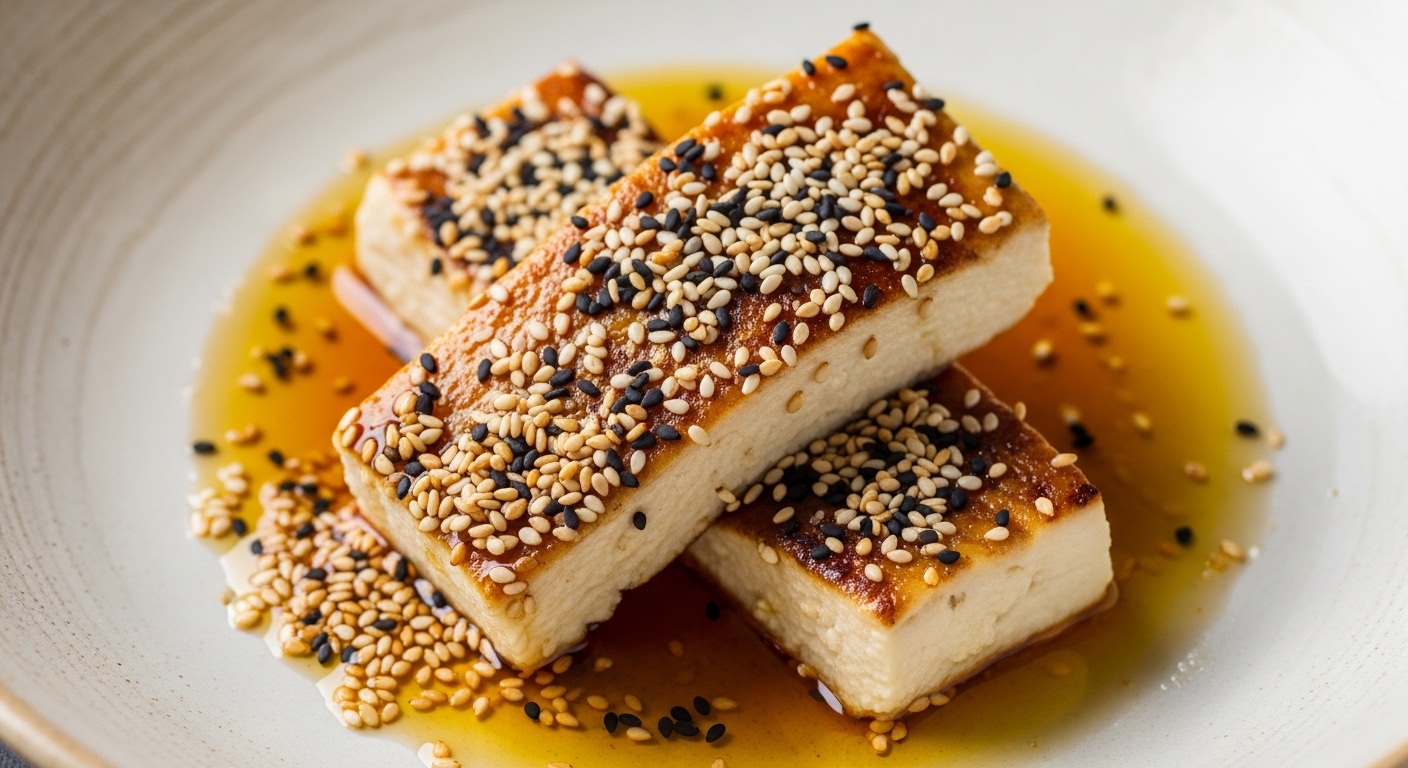
- Cook the tofu: in a separate pan, heat the remaining sesame oil over medium-high heat. Add cubed tofu and pan-fry until golden and crispy on all sides, about 8 minutes.drizzle with soy sauce in the last minute and toss gently to coat.
- Mix the gochujang sauce: In a small bowl, whisk together gochujang, sesame oil, rice vinegar, maple syrup, soy sauce, grated ginger, and water. Adjust the water to reach a smooth, spreadable consistency. Set aside.
- Warm the rice: Fluff the steamed rice with a fork and keep warm. for an authentic touch,gently press it into each bowl to serve as the base layer.
- Season the blanched spinach and bean sprouts: Toss each separately with a small drizzle of sesame oil, a pinch of salt, and a sprinkle of toasted sesame seeds. This highlights their natural flavor while keeping textures crisp.
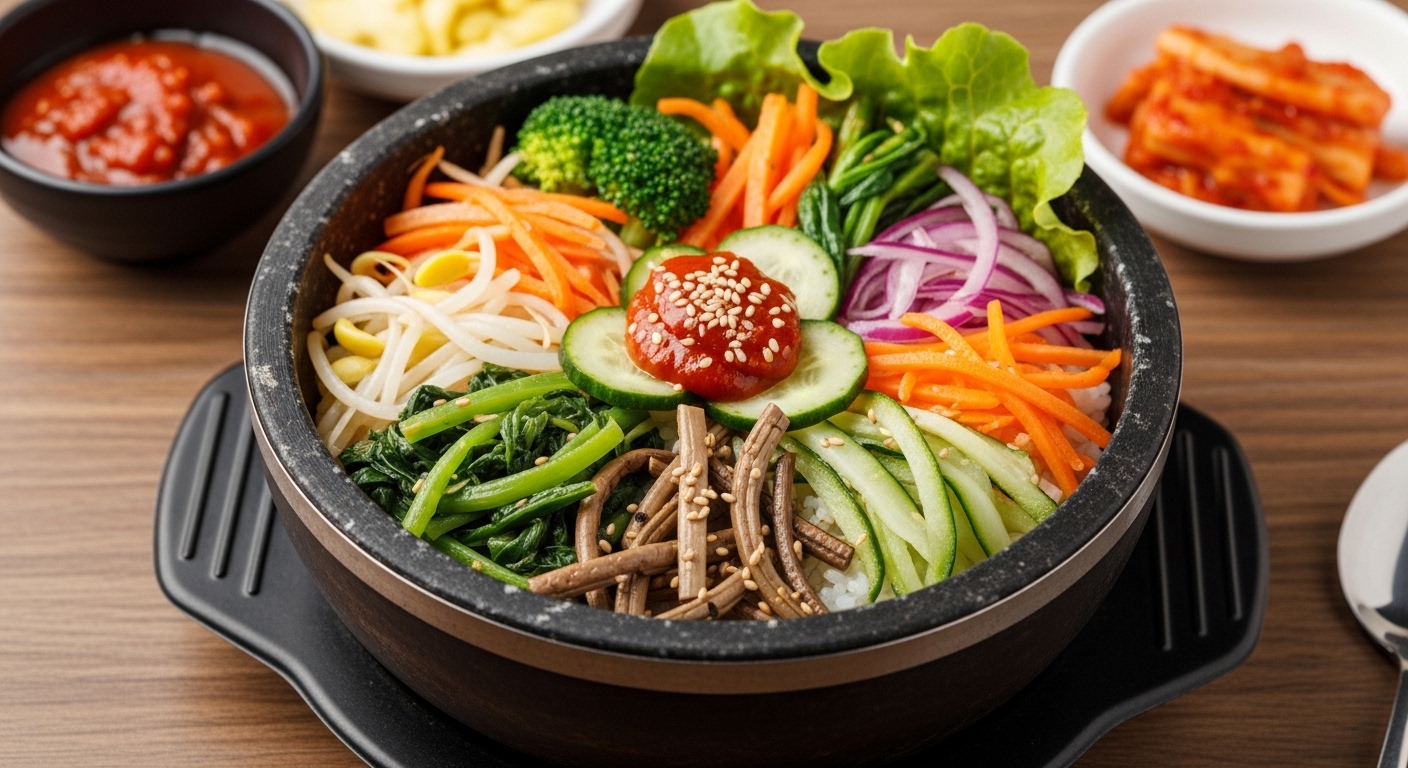
- Assemble the bowls: Neatly arrange the cooked and seasoned vegetables along with tofu in colorful sections on top of the rice. Add optional nori strips and a perfectly cooked fried egg or vegan substitute for a rich finish.
- Serve with the gochujang sauce: Present the sauce in a small ramekin or drizzle directly over the bibimbap. Encourage mixing everything at the table to meld flavors and textures beautifully.
Tips for Success
- Choosing ingredients at the peak of freshness transforms this dish-look for vibrant, unblemished vegetables and firm tofu without excess moisture.
- Light blanching preserves the bright green color and snap of spinach and bean sprouts-avoid overcooking.
- When sautéing mushrooms and zucchini, cook until just tender; they should retain slight bite for textural contrast.
- Make the gochujang sauce in advance to deepen the blended flavors and chill for easy assembly later.
- Use a hot, well-seasoned skillet to get a lovely crispness on your tofu cubes, adding a appetizing crunch to your bowl.
- For a vegan twist, swap the egg for thin slices of pan-fried tempeh or seasoned seitan.
- pro Tip: Toast sesame seeds lightly in a dry pan over low heat until fragrant and golden-they add a nutty aroma that elevates every bite.
Serving Suggestions
Present your vegetarian bibimbap in wide, shallow bowls to highlight the gorgeous arrangement of vegetables, tofu, and rice. Garnish with extra toasted sesame seeds and fresh nori strips for a delightful crunch and visual appeal.Serve alongside a small dish of pickled kimchi or a crisp cucumber salad to balance the warm and savory bowl. Encourage guests to mix everything together just before eating so each mouthful bursts with layered flavors and textures. A side of light, chilled barley tea or sparkling water with lemon pairs wonderfully with this vibrant dish.

| Nutritional Information (per serving) | amount |
|---|---|
| Calories | 420 kcal |
| Protein | 15 g |
| Carbohydrates | 60 g |
| Fat | 10 g |
For more inspiration on vibrant vegetarian dishes, visit our Vegetarian Korean Kimchi Pancakes Recipe.Discover the cultural richness with trusted insights on Maangchi’s Authentic Bibimbap Guidance.
Q&A
Q&A: Savor the Flavors – A Guide to Vegetarian Bibimbap Bliss
Q1: What is Bibimbap, and why is it so beloved?
Bibimbap, literally meaning “mixed rice,” is a vibrant Korean dish that artfully combines warm rice, an array of sautéed and fresh vegetables, gochujang (spicy red chili paste), and often a fried egg or meat. it’s beloved for its harmony of flavors and textures-a true celebration of color, nutrition, and umami in every bite. the beauty lies in mixing all the components just before eating, allowing each ingredient to shine while blending into a savory symphony.
Q2: How can one enjoy Bibimbap without meat or fish?
Vegetarian bibimbap reimagines this classic by swapping out conventional proteins for plant-based options like tofu, tempeh, or simply extra vegetables. Mushrooms bring a meaty, umami punch, while seasoned spinach, zucchini, carrots, and bean sprouts add crunch and freshness. The key is to layer bold, contrasting flavors and textures to keep each spoonful exciting. A perfectly fried egg (or vegan choice) often tops it off, adding richness.
Q3: What are the essential vegetables and toppings for a vegetarian bibimbap?
Typical picks include julienned carrots,sautéed shiitake mushrooms,blanched spinach,crunchy cucumber,tender bean sprouts,and sometimes kimchi for a tangy kick. Pickled radish or sweet marinated zucchini can add a subtle sweetness, balancing the fiery gochujang sauce. Toasted sesame seeds and a drizzle of sesame oil amp up the nutty aroma and depth.
Q4: how important is the gochujang sauce in the vegetarian bibimbap experience?
Gochujang is the heartbeat of bibimbap-it delivers spicy heat,a mild sweetness,and fermented complexity that tie all ingredients together. for vegetarians, it’s an indispensable flavor bomb.Adjust the amount based on your heat tolerance, or blend it with a bit of honey or maple syrup for a mellow twist. You can also mix in soy sauce or rice vinegar to amplify its tang and umami.
Q5: Can bibimbap be made gluten-free and vegan-pleasant?
Absolutely! To keep it gluten-free, ensure your gochujang and soy sauce are certified gluten-free or use tamari as a substitute. For a vegan version, skip the egg or use tofu scramble or a plant-based egg alternative.The beauty of bibimbap is its adaptability - it welcomes modifications without losing its soul-soothing essence.Q6: Any tips for assembling and serving vegetarian bibimbap at home?
Presentation is part of the feast! Arrange the vegetables and toppings in colorful sections on a bowl of steaming rice, leaving the center open for your egg or tofu. Serve the gochujang sauce on the side, inviting everyone to mix in their desired amount at the table. For extra authenticity and fun, serve in a hot stone bowl (dolsot) to create a crispy rice crust underneath.
Q7: Why should someone try making vegetarian bibimbap?
As it’s more than a meal-it’s an experience. Vegetarian bibimbap delivers a stunning, nutritious, and customizable feast that delights the eyes and satisfies the soul. It’s perfect for anyone seeking bold flavors, a healthful balance, and a hands-on way to connect with Korean culinary tradition. Plus, mastering it opens doors to endless vegetable-friendly variations that keep your taste buds dancing!
Wrapping Up
As the vibrant colors of your vegetarian bibimbap come together in a harmonious bowl, you’re not just savoring a meal-you’re embracing a rich tapestry of tradition, nutrition, and creativity. Whether you prefer the crunch of fresh vegetables, the earthiness of mushrooms, or the subtle heat of gochujang, this dish invites endless personalization and exploration.So next time you seek a comforting yet wholesome feast, remember that vegetarian bibimbap is more than food; it’s an experience waiting to awaken your palate and nourish your soul. Dive in, mix it up, and let every bite tell a story of flavor and culture coming alive on your plate.