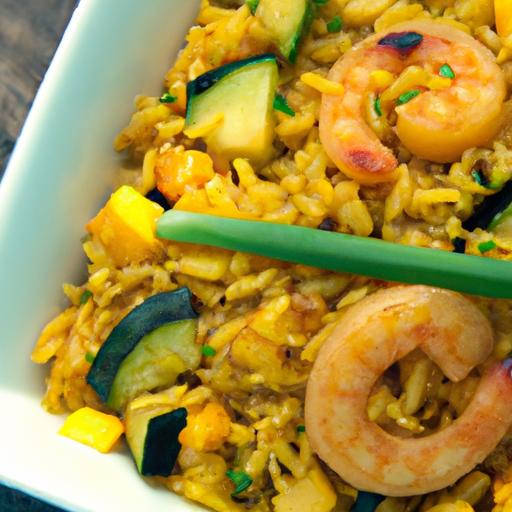

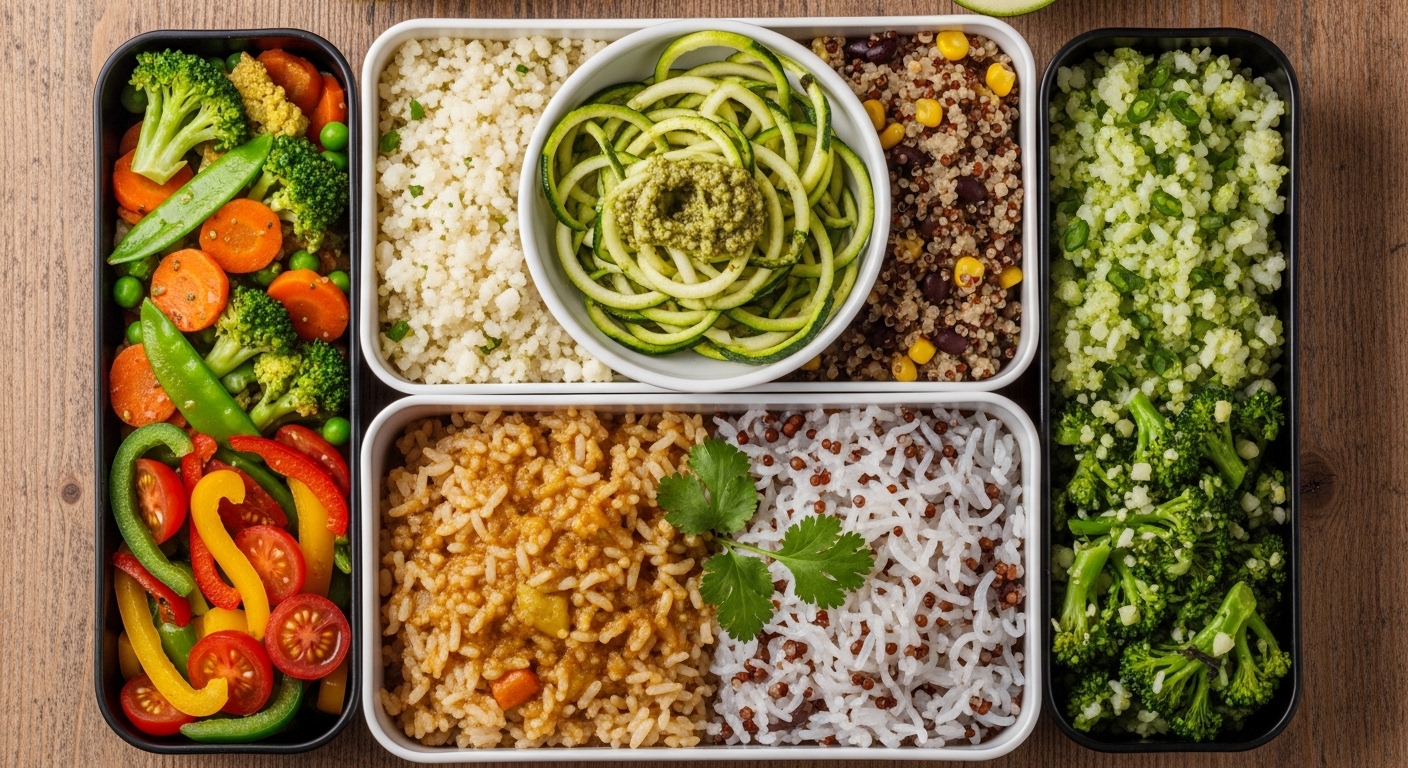
In the quest for healthier living, every bite counts-especially when it comes to staples like rice, a beloved companion to countless dishes worldwide. Yet, for those mindful of calories, traditional white adn brown rice can sometimes feel like a dietary hurdle.Luckily, a world of low-calorie rice alternatives is emerging, ready to transform your meals without sacrificing texture or taste. From crunchy cauliflower crumbles to nutrient-rich konjac grains, these innovative substitutes offer refreshing ways to enjoy your favorite recipes while keeping calories in check. join us as we explore these vibrant options that promise to elevate your plate and support your wellness journey.
Discover low-calorie rice alternatives for healthy meals by exploring an enticing world of nutrient-packed grains that bring variety,flavor,and wellness to your plate. In my years as a Culinary Content Creator and Food Stylist, I’ve found that swapping traditional rice for ancient and modern wholesome options not only elevates texture and taste but also introduces powerful health benefits.From the nutty crunch of quinoa to the subtle earthiness of cauliflower rice,these substitutes offer vibrant new palettes for both everyday dishes and special occasions.
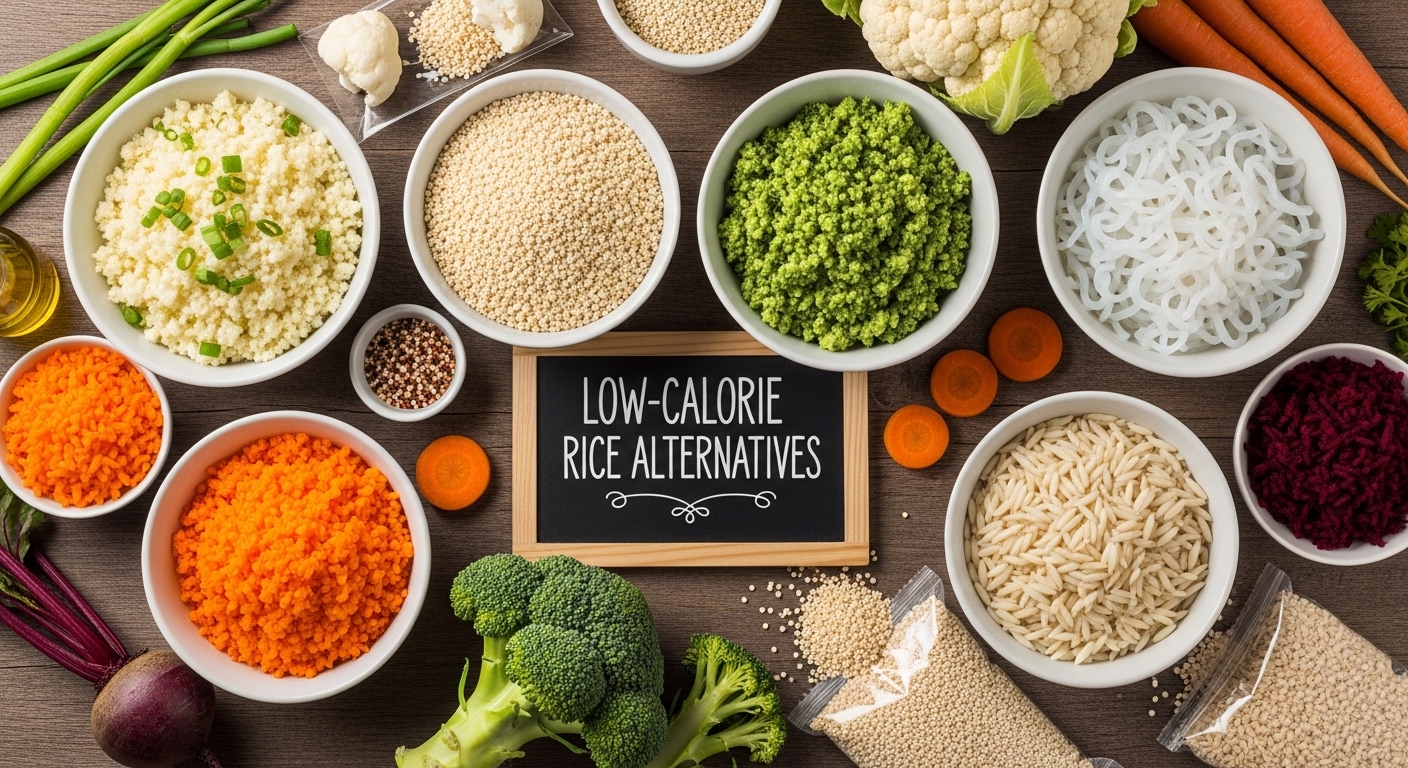
Prep and Cook Time
- Readiness: 10 minutes
- Cooking: 20 minutes
- Total: 30 minutes
Yield
- Serves 4 generously
Difficulty Level
- Easy – perfect for home cooks eager to experiment with wholesome grains
Ingredients
- 1 cup quinoa, rinsed under cold water
- 2 cups low-sodium vegetable broth (for more flavor)
- 1 medium head cauliflower, grated into rice-sized pieces
- 1 tablespoon olive oil
- 2 cloves garlic, minced
- 1 small red bell pepper, diced
- 1 cup frozen peas, thawed
- 1 teaspoon smoked paprika
- Salt and freshly cracked black pepper, to taste
- Fresh parsley, chopped for garnish
Instructions
- Cook the quinoa: In a medium pot, combine rinsed quinoa and vegetable broth. bring to a gentle boil,reduce heat to low,cover,and simmer for about 15 minutes,or until all liquid is absorbed and quinoa is fluffy. remove from heat and let rest, covered.
- Prepare the cauliflower rice: While quinoa cooks, grate the cauliflower using a box grater or pulse in a food processor until it resembles rice grains.
- Sauté aromatics and veggies: Heat olive oil in a large non-stick skillet over medium heat.Add garlic and diced bell pepper, sauté until fragrant and tender, about 3-4 minutes.
- Add cauliflower rice and peas: Stir in the cauliflower “rice” and peas. Cook for 5-7 minutes, stirring occasionally, until the mixture is slightly tender but retains some bite. Season with smoked paprika,salt,and pepper.
- Combine and finish: Gently fold the cooked quinoa into the skillet. Toss to combine all ingredients evenly and warm through for 2-3 minutes.
- Plate and garnish: Transfer to serving dishes and sprinkle with fresh parsley for a vibrant, fresh finish.
Tips for Success
- Substitutions: Replace quinoa with brown rice or freekeh for extra fiber and flavor diversity. For a grain-free option, double cauliflower rice and add chopped mushrooms for more texture.
- Make-ahead: Prepare quinoa and cauliflower rice separately and store them refrigerated in airtight containers for up to 3 days, then combine when ready to serve.
- Cooking tip: Avoid overcrowding the pan when sautéing cauliflower rice to prevent sogginess; cook in batches if needed for best texture.
- Add protein: Toss in grilled chicken, shrimp, or chickpeas to make this a complete meal without losing low-calorie benefits.
serving Suggestions
This vibrant quinoa and cauliflower rice medley shines as a base for Mediterranean bowls, served alongside roasted vegetables or topped with creamy avocado slices. for an extra pop of color and tang, drizzle with a lemon-tahini dressing or sprinkle with toasted nuts like almonds or pine nuts. Garnish with fresh herbs such as cilantro or mint to awaken the palate, and enjoy this wholesome delight warm or at room temperature as a balanced lunch or dinner.

| Nutrient | Per Serving |
|---|---|
| Calories | 210 kcal |
| Protein | 8 g |
| Carbohydrates | 30 g |
| Fat | 5 g |
| Fiber | 5 g |
For further inspiration on wholesome eating, explore our healthy quinoa recipes or visit Harvard’s Nutrition Source for expert guidance on whole grains.
Q&A
Q&A: Discover Low-Calorie Rice Alternatives for Healthy Meals
Q1: Why should I consider low-calorie rice alternatives in my diet?
A1: Rice is a staple in many cuisines, but traditional white rice can be calorie-dense and high in simple carbohydrates. Swapping it for low-calorie alternatives can help manage weight,improve digestion,and keep your meals nutrient-rich without sacrificing volume or satisfaction.
Q2: what are some popular low-calorie alternatives to rice?
A2: Some delicious and nutrient-packed options include cauliflower rice, shirataki rice, konjac rice, and zucchini rice. These substitutes not only cut calories but also add fiber, vitamins, and unique flavors to your dishes.
Q3: How does cauliflower rice compare calorically and nutritionally to white rice?
A3: Cauliflower rice contains roughly 25 calories per cup, compared to about 200 calories in a cup of cooked white rice. It’s also rich in vitamin C, vitamin K, and fiber, making it a powerhouse for overall health.
Q4: What exactly is shirataki rice, and why is it so low in calories?
A4: Shirataki rice is made from the konjac plant’s root, composed mostly of water and glucomannan fiber. It contains virtually no digestible calories and can absorb the flavors of whatever sauce or seasoning you use,making it a perfect rice stand-in for calorie-conscious eaters.
Q5: Can these rice alternatives be used in any recipe that calls for rice?
A5: Absolutely! While cooking times and textures differ, these substitutes can be incorporated into stir-fries, sushi, salads, and even rice pudding. Experimenting with spices and herbs will enhance thier natural flavors and transform your dishes.
Q6: Are there any tips for preparing low-calorie rice alternatives to maximize taste and texture?
A6: For cauliflower rice,lightly steaming or sautéing with garlic and olive oil enhances its flavor without adding many calories. Shirataki rice benefits from thorough rinsing and a quick dry-fry to remove its natural odor. Zucchini rice can be salted and drained beforehand to prevent excess moisture.
Q7: Do these substitutes impact blood sugar levels differently than traditional rice?
A7: Yes! most low-calorie rice alternatives have a lower glycemic index, leading to a slower rise in blood sugar. This makes them especially beneficial for individuals managing diabetes or aiming for sustained energy without sugar spikes.
Q8: Were can I find these rice alternatives?
A8: Cauliflower and zucchini rice can be easily prepared at home with a food processor or purchased fresh or frozen in many grocery stores. Shirataki and konjac rice are often stocked in health food aisles or Asian markets. online retailers also offer a variety of options.
Q9: Can I still enjoy my favorite rice-based dishes if I switch to these alternatives?
A9: Definitely! These replacements allow you to savor classics like fried rice, risotto, or rice bowls with fewer calories and added nutrition. With a little culinary creativity, healthy eating never has to be boring.
Q10: What’s the best way to start incorporating low-calorie rice alternatives into my meals?
A10: Begin by swapping rice once or twice a week to get accustomed to the flavors and textures. Pairing these alternatives with your favorite proteins and veggies can create balanced, satisfying meals that support your health goals without sacrificing enjoyment.
Future outlook
Exploring low-calorie rice alternatives opens a world of nutritious possibilities that don’t sacrifice flavor or satisfaction. Whether you’re aiming to shed a few pounds,manage blood sugar,or simply embrace a healthier lifestyle,these rice substitutes offer versatile options to refresh your meals. From the delicate crunch of cauliflower rice to the subtle nuttiness of quinoa,each choice brings its own unique benefits to the table.So next time you’re crafting a wholesome dish, consider swapping traditional rice for one of these lighter alternatives - your body and taste buds will thank you for the delicious journey toward better health.