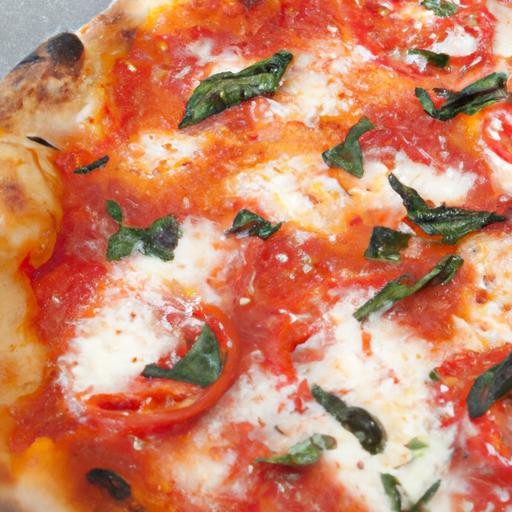

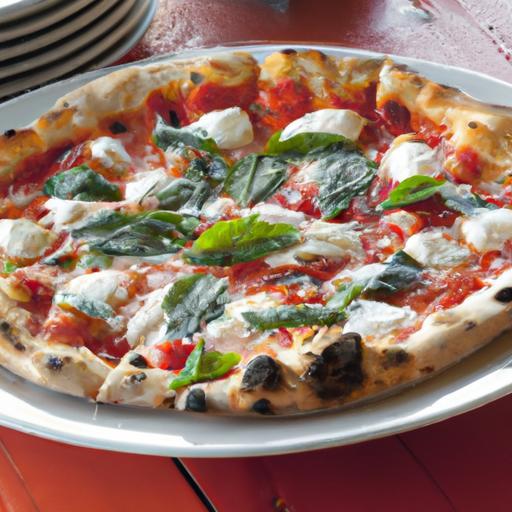
There’s a slice of history baked into every Margherita pizza-a simple combination of tomato, mozzarella, and basil that did more than just satisfy hunger; it changed the way the world thinks about pizza. From its humble origins in Naples to its iconic status on menus worldwide, the Margherita is a culinary marvel wrapped in vibrant colors and timeless flavors.This is the story of how a straightforward slice became a symbol of Italian pride,a canvas for creativity,and a delicious revolution that transformed pizza forever. Welcome to the magic of Margherita.
Margherita Magic promptly conjures images of the classic Neapolitan pizza-a harmony of fresh basil, ripe tomatoes, and creamy mozzarella resting on a perfectly blistered crust.This simple yet iconic slice has captivated taste buds worldwide, transforming humble ingredients into a culinary masterpiece. Whether enjoyed at a bustling pizzeria in Naples or recreated at home,the Margherita embodies the essence of italian simplicity and artisanal craft.
Prep and Cook Time
- Readiness: 20 minutes (plus 1 hour rising time)
- Cooking: 10-12 minutes
- total: Approximately 1 hour 30 minutes
Yield
- Makes 2 classic 10-inch Margherita pizzas
Difficulty Level
- Medium (Perfect for adventurous home cooks)
Ingredients
- 2 ½ cups all-purpose flour, sifted (plus extra for dusting)
- 1 tsp fine sea salt
- 1 tsp sugar
- 1 tsp active dry yeast
- ¾ cup warm water (about 100°F/38°C)
- 1 tbsp extra virgin olive oil, plus extra for drizzling
- 1 cup San Marzano tomatoes, crushed by hand or canned
- 7 oz (200g) fresh mozzarella di bufala, sliced and drained
- Fresh basil leaves, a generous handful
- Sea salt, to taste
- Black pepper, freshly cracked (optional)
Instructions
- Activate the yeast: in a small bowl, combine warm water, sugar, and yeast. Let it sit for about 5 minutes until foamy, signaling the yeast is alive and ready.
- Make the dough: In a large bowl, whisk flour and sea salt. Gradually pour in the yeast mixture and olive oil, stirring with a wooden spoon until a shaggy dough forms.
- Knead: Transfer dough to a floured surface and knead vigorously for 8-10 minutes until smooth, elastic, and slightly tacky. Add small amounts of flour if too sticky.
- Frist rise: Lightly oil a bowl, place the dough inside, cover with a damp kitchen towel or plastic wrap, and let it rise in a warm spot for about 1 hour or until doubled in size.
- Preheat oven: At least 30 minutes before baking, preheat your oven to 500°F (260°C) or as high as it can go. If you have a pizza stone, place it in the oven to heat.
- shape the dough: Gently punch down the dough and divide it into two equal balls. On a floured surface, stretch or roll each ball into a 10-inch round, keeping a slightly thicker edge for the crust.
- Assemble the pizza: On parchment paper or a floured pizza peel,spread a thin layer of crushed San Marzano tomatoes with your fingers,leaving a 1-inch border. Season lightly with sea salt.
- add mozzarella and basil: Distribute sliced mozzarella evenly, then scatter fresh basil leaves on top. Drizzle with a touch of extra virgin olive oil.
- Bake: Slide the pizza onto the hot pizza stone or baking sheet. Bake for 10-12 minutes or until the crust is golden and blistered,the cheese melted and bubbling.
- Finish and serve: Remove from oven, add a few fresh basil leaves for a fragrant finish, and serve immediately while warm and aromatic.
Tips for Success
- Use high-quality ingredients: Authentic San Marzano tomatoes and fresh mozzarella di bufala make an immense difference in flavor and texture.
- Don’t overload the pizza: Thin layering maintains the perfect balance and prevents sogginess.
- Proof the yeast properly: Make sure water is warm, not hot, to avoid killing the yeast.
- Preheat your oven thoroughly: A blazing hot oven mimics traditional wood-fired pizzerias and creates that signature leopard-spotted crust.
- Make ahead: Dough can be prepared a day in advance and refrigerated for a deep flavor development. Bring to room temperature before shaping.
Serving Suggestions
Present your Margherita pizza on a rustic wooden board or stone platter, with a sprinkle of flaky sea salt and a drizzle of high-quality extra virgin olive oil just before serving.Pair with a crisp, chilled glass of Italian white wine or sparkling water infused with lemon and fresh mint. Add a side Caesar salad or grilled vegetables to round out the meal. For visual contrast, garnish each slice with a fresh basil leaf, and encourage guests to savor the perfect combination of flavors in every bite.

| Nutrient | Per Serving (1 slice) |
|---|---|
| Calories | 280 kcal |
| Protein | 12 g |
| Carbohydrates | 35 g |
| Fat | 10 g |
For more tips on Italian classics, don’t miss our guide to perfect pizza dough. To explore the heritage and cultural impact of this iconic slice,consult the Italy Magazine’s deep dive on pizza history.
Q&A
Q&A: Margherita Magic – The Simple Slice That Changed Pizza Forever
Q1: What makes the margherita pizza so magical?
A1: The magic of Margherita pizza lies in its beautiful simplicity. With just three core ingredients-fresh tomatoes, mozzarella cheese, and fragrant basil-it combines colors and flavors that celebrate Italy’s culinary spirit. It’s a delicious harmony of freshness and tradition,proving that sometimes less truly is more.
Q2: Where and when was the Margherita pizza born?
A2: legend has it that the Margherita pizza was created in Naples in 1889. Chef Raffaele Esposito crafted this tri-colored masterpiece for Queen Margherita of Savoy during her visit.The red tomatoes, white mozzarella, and green basil were designed to mirror the Italian flag, turning a humble pizza into a patriotic icon.
Q3: How did Margherita change pizza forever?
A3: Before Margherita, pizzas were often heavy and loaded with various toppings.Margherita introduced a refined elegance, emphasizing fresh, quality ingredients and a balanced combination. It set the template for modern pizza making, proving that simplicity can deliver profound flavor and cultural resonance.
Q4: Why is the Margherita still so popular today?
A4: Margherita pizza endures because it is a timeless masterpiece. Its fresh ingredients appeal to a wide range of palates, from kids to gourmets. It’s a canvas of authenticity that many pizza makers use to showcase their craft. Plus, it honors tradition while inviting endless creativity.Q5: Can Margherita pizza be considered a symbol beyond food?
A5: Absolutely. Margherita pizza transcends its role as a meal-it’s a symbol of italian heritage,creativity,and the idea that simplicity can unify and inspire. It tells a story of innovation, culture, and the power of food to bring people together, slice by slice.
Q6: How can one make an authentic Margherita pizza at home?
A6: To capture its magic, start with a thin, hand-stretched Neapolitan dough. use crushed San Marzano tomatoes for that perfect sweet tang. Fresh buffalo mozzarella adds creaminess, and a handful of vibrant basil leaves infuse aromatic freshness. Bake it in a blazing hot oven-ideally wood-fired-for a crisp crust and melted cheese that’s simply irresistible.
Q7: What lessons does the Margherita pizza teach us about cooking and life?
A7: The Margherita pizza teaches us that greatness doesn’t require complexity. It’s about honoring quality ingredients, embracing balance, and appreciating the art in simplicity. Like life’s best moments,sometimes the simplest things leave the deepest impressions.
Wrapping up
As the final crumb of a Margherita pizza melts on our tongues, we’re reminded that sometimes, the simplest creations leave the deepest marks.This humble slice, born from a blend of fresh basil, ripe tomatoes, and creamy mozzarella, didn’t just satisfy hunger-it transformed a culinary tradition and captured the hearts of pizza lovers worldwide. From Naples’ bustling streets to your neighborhood pizzeria, the Margherita continues to embody the magic of simplicity, proving that great flavor doesn’t need to be intricate. In every bite, it tells a timeless story of innovation, culture, and pure deliciousness-a story that forever changed the way we savor pizza.