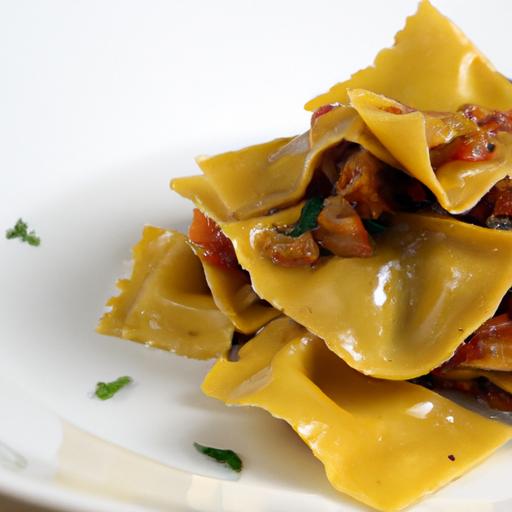

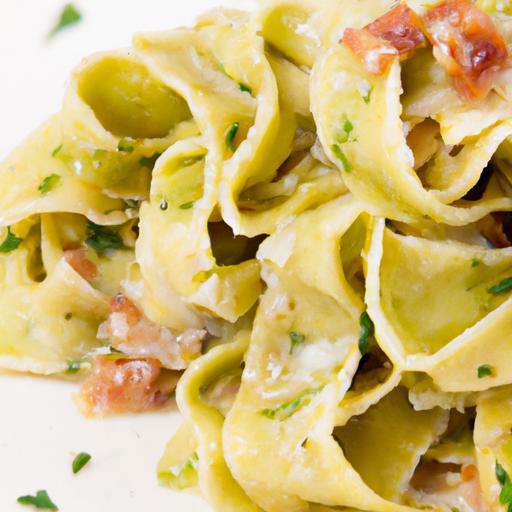
In the vast and vibrant tapestry of Italian cuisine, few dishes evoke the rustic charm and hearty comfort quite like pappardelle pasta. These broad,delicate ribbons are more than just strands of dough-they are edible stories,weaving together centuries of tradition,regional pride,and the simple joy of sharing a meal. From the sun-kissed hills of Tuscany to bustling family kitchens around the world, pappardelle embodies the essence of Italy’s culinary heritage. Join us as we unravel the history, technique, and mouthwatering versatility of this delicious ribbon of Italian tradition.
Pappardelle pasta embodies the soul of Italian culinary artistry, a luscious ribbon that traces its roots deeply into Tuscany’s rustic kitchens. its broad, flat form was traditionally hand-cut to capture robust, hearty sauces that celebrate the richness of Italian hunting and farming heritage. Growing up in a family that prized Sunday meals, I vividly remember the warm kitchen filled with laughter and the tempting aroma of slow-simmered ragù melding perfectly with freshly cut pappardelle dough. This dish’s evolution from a simple peasant staple to a beloved gourmet delight showcases Italian cuisine’s enduring respect for tradition, quality ingredients, and texture-elements that continue to inspire every home cook and chef alike.
Prep and Cook Time
- Preparation: 20 minutes
- Resting time: 30 minutes
- Cooking: 3-5 minutes
- Total: Approximately 1 hour
Yield
Serves 4 generous portions
Difficulty Level
Medium - Perfect for cooking enthusiasts ready to embrace the art of fresh pasta making
Ingredients
- 2 cups all-purpose flour,sifted,plus extra for dusting
- 3 large fresh eggs
- 1/2 teaspoon fine sea salt
- 1 tablespoon olive oil (optional,for richer dough)
Instructions
- Form a mound of flour on a clean surface with a well in the center. Crack 3 large eggs into the well and add sea salt and olive oil if using.
- Using a fork,gently whisk the eggs,gradually incorporating flour from the edges. Continue until a shaggy dough forms.
- Knead the dough by hand for about 8-10 minutes, pressing and folding until smooth and elastic. If sticky, add small amounts of flour sparingly.
- Wrap the dough tightly in plastic wrap and rest at room temperature for 30 minutes. This allows gluten to relax, making rolling easier.
- Divide rested dough into 2 portions. On a floured surface, roll out each portion as thinly as possible-aim for about 1/16 inch thickness.
- Using a sharp knife or pasta cutter, slice the sheet into wide ribbons roughly 3/4 to 1 inch wide.Dust with flour to prevent sticking.
- Bring a large pot of salted water to a rapid boil. Add pappardelle ribbons and cook for 3-5 minutes or until al dente (fresh pasta cooks quicker than dried).
- Drain pasta carefully, reserving a cup of cooking water to adjust sauce consistency as needed.
- Toss pappardelle with your favorite sauce promptly and serve hot.
Tips for Success
- Flour choice: For a silkier texture, substitute half the all-purpose flour with “00” flour.
- Resting dough: Don’t skip resting; it’s key to elasticity and easier rolling.
- Rolling thinly: Use a pasta machine if available, but a rolling pin works well-just be patient and adjust flouring to avoid sticking.
- Cooking time: Fresh pappardelle cooks very quickly; test for tenderness early to prevent overcooking.
- Make ahead: Fresh pasta can be layered with parchment between sheets,wrapped tightly,and refrigerated up to 24 hours or frozen for longer storage.
Serving Suggestions
Pappardelle truly shines paired with rustic sauces that cling to its broad ribbons. Customary choices include:
- Wild Boar Ragù: slow-cooked, deeply flavored, perfect for autumnal feasts.
- Mushroom cream Sauce: Earthy porcini mushrooms sautéed with garlic and cream.
- Simple Sage-Butter: For lighter fare, a brown butter sauce infused with fresh sage leaves.
Garnish with freshly grated Parmigiano-Reggiano, a sprinkle of cracked black pepper, and a drizzle of high-quality extra virgin olive oil. Serve with a side of crusty Italian bread and a robust red wine to complete this authentic Italian experience.
nutritional Details
| Nutrition | Per Serving |
|---|---|
| Calories | 320 |
| Protein | 11g |
| Carbohydrates | 55g |
| Fat | 3g |
Related Resources
For more on fresh pasta techniques and Italian sauce pairings,check out our Fresh Pasta Basics Guide. For a deeper dive into Italy’s culinary heritage, visit the Accademia Italiana della Cucina.

Q&A
Q&A: Pappardelle Pasta – A Delicious Ribbon of Italian Tradition
Q1: What exactly is pappardelle pasta?
A: Pappardelle is a broad, flat ribbon pasta that hails from the heart of italy, especially Tuscany. Its name comes from the Italian verb pappare, meaning “to gobble up,” perfectly capturing the pasta’s hearty and indulgent nature. Imagine wide, silky ribbons that wrap around rich sauces, inviting you to slow down and savor every bite.Q2: How is pappardelle different from other pasta shapes?
A: Unlike thinner pastas like spaghetti or linguine, pappardelle’s generous width-typically about 2 to 3 centimeters-allows it to hold up beautifully against thick, robust sauces. Its broad surface area acts like a tender canvas, letting every strand soak in flavors from meaty ragùs, wild mushroom sauces, or decadent cream blends. It’s pasta designed for depth and comfort.
Q3: What are the traditional sauces paired with pappardelle?
A: In Tuscany, pappardelle often dances with rich, slow-cooked ragùs made from wild boar or hare, embracing the rustic countryside spirit. It also pairs wonderfully with creamy porcini mushroom sauces or a simple butter and sage dressing,each complementing the pasta’s ample texture and enhancing its natural flavor.
Q4: Can pappardelle be made at home?
A: Absolutely! While you can buy fresh or dried pappardelle at specialty stores, making it by hand is a rewarding culinary adventure. the dough, typically made from flour, eggs, and a pinch of salt, is rolled out thinly and sliced into wide ribbons. the tactile experience of crafting each strip adds a personal touch, connecting you to centuries of Italian tradition.
Q5: Why has pappardelle stood the test of time in Italian cuisine?
A: Pappardelle embodies the essence of italian cooking-simple ingredients transformed by technique, tradition, and passion. Its ability to partner with hearty, rustic flavors mirrors the soulful landscapes of Tuscany and beyond, making it a timeless choice for those who crave bold tastes and comfort on a plate.
Q6: What tips are there for cooking pappardelle perfectly?
A: Because of its width, pappardelle cooks quickly-usually in just 3 to 5 minutes if fresh. Be sure to salt your boiling water generously and stir gently to prevent sticking. Pair it immediately with sauce so the pasta can soak up all those rich flavors. And for the ultimate experience, finish with a sprinkle of freshly grated Parmesan and a dash of cracked black pepper.
Q7: Can pappardelle be used in dishes beyond traditional Italian recipes?
A: Certainly! While rooted in Italian tradition, pappardelle’s versatility invites creativity. It can carry vibrant vegetable medleys, seafood-based sauces, or even creamy spinach and ricotta blends. The pasta’s generous size means it can hold up to bold international flavors without losing its hearty charm.
Q8: Where can one find the best pappardelle outside of Italy?
A: Many Italian restaurants and artisanal pasta shops worldwide celebrate pappardelle, especially those with a focus on authentic regional cuisine. When in doubt,seek out eateries that emphasize fresh,handmade pasta-or try your hand at creating your own ribbons of Italian tradition at home!
Insights and Conclusions
As the final ribbon of pappardelle cozies onto your plate,you’re not just savoring a meal-you’re partaking in a centuries-old Italian tradition that celebrates simple ingredients transformed by skill and passion. This broad, luscious pasta carries with it the warmth of rustic kitchens and the stories of generations who mastered the art of turning flour and water into something extraordinary. Whether dressed in a rich ragù, a delicate butter sauce, or fresh seasonal vegetables, pappardelle invites you to slow down and enjoy the textures and flavors that define authentic Italian culinary heritage. So next time you twirl those wide, silky ribbons, remember: you’re not just eating pasta-you’re tasting a piece of Italy itself. Buon appetito!