
In the vibrant tapestry of Korean cuisine, few dishes capture the heart and soul of the culture quite like bibimbap. This colorful bowl of seasoned vegetables,tender meat,fragrant rice,and fiery gochujang sauce is more than just a meal-it’s a harmonious festivity of flavors,textures,and traditions. Whether you’re a curious foodie or a seasoned culinary explorer, discovering bibimbap is like embarking on a delicious journey through Korea’s rich heritage. In this step-by-step guide, we’ll unlock the secrets behind creating your own bibimbap bliss, transforming simple ingredients into a symphony of taste that’s as beatiful too look at as it is satisfying to eat.get ready to stir up some magic and savor every vibrant bite!
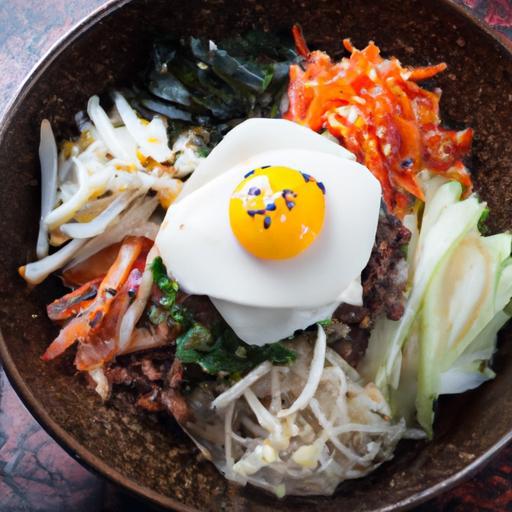
Bibimbap Bliss invites you on a flavorful journey through Korea’s culinary heritage,offering a vibrant bowl where history,culture,and taste converge beautifully. This iconic dish,translating to ”mixed rice,” dates back centuries and was originally crafted as a practical yet indulgent way to combine various leftovers into one deliciously harmonious meal.Today, it stands proudly as a symbol of balance and artistry, showcasing a mosaic of fresh vegetables, savory proteins, and a spicy-sweet gochujang sauce-all crowned with a perfectly fried egg.
Prep and Cook Time
- Preparation: 25 minutes
- Cooking: 30 minutes
Yield
Serves 4 generous portions
Difficulty Level
Medium – approachable for home cooks with basic knife skills and familiarity with sautéing
Ingredients
- 2 cups short-grain white rice, rinsed and drained
- 1 cup spinach, blanched and squeezed dry
- 1 cup julienned carrots
- 1 cup shiitake mushrooms, sliced
- 1 cup bean sprouts, blanched
- 200g ground beef (or tofu for vegetarian option)
- 4 large eggs
- 4 tbsp sesame oil
- 2 tbsp soy sauce
- 2 cloves garlic, minced
- 2 tsp sugar
- Salt and pepper to taste
- 4 tbsp gochujang (Korean chili paste)
- 1 tbsp toasted sesame seeds
- 2 green onions, finely sliced
Instructions
- Prepare the rice: Cook short-grain rice according to package instructions until soft and slightly sticky. Keep warm.
- Blanch and season the vegetables: Quickly blanch spinach and bean sprouts in boiling water for 1-2 minutes, then submerge in ice water to preserve vibrant color. Squeeze out excess water. Toss spinach with 1 tsp sesame oil, salt, and a pinch of minced garlic. Season blanched bean sprouts with salt and 1 tsp sesame oil.Sauté carrots briefly in a teaspoon of oil until tender but still crisp, about 2-3 minutes. Sauté shiitake mushrooms with garlic and soy sauce until golden, about 5 minutes.
- Cook the beef: In a pan, heat 1 tbsp sesame oil and sauté minced garlic until fragrant. Add ground beef, soy sauce, sugar, salt, and pepper. Cook until browned and flavorful, about 7 minutes. For a vegetarian twist, substitute with crumbled tofu seasoned similarly.
- Fry the eggs: In a non-stick skillet, fry eggs sunny-side up or over-easy, leaving the yolks runny to enrich your bibimbap mixture.
- Assemble the bowl: in individual bowls, place a generous scoop of warm rice at the base. Neatly arrange each vegetable and the cooked beef in sections atop the rice to create an inviting palette of colors. Place a fried egg on top.
- Add the finishing touch: Generously drizzle gochujang over the ingredients, sprinkle toasted sesame seeds and sliced green onions for freshness and crunch.
- Serve: Encourage guests to mix thoroughly, distributing the fiery sweetness of the gochujang and the richness of the egg, creating a perfect harmony of textures and flavors.
Tips for Success
- Ingredient freshness is key: Use crisp vegetables and fresh eggs to elevate every bite.
- Prepare ingredients ahead: Blanch vegetables and cook proteins in advance to streamline assembly.
- Customize your bowl: Swap beef for chicken,tofu,or mushrooms for diverse flavors and textures.
- Balancing gochujang: Adjust the amount based on desired spice level; mix in a touch of honey or rice vinegar for a milder sauce.
- Rice texture matters: Slightly sticky rice binds the bowl together; avoid dry rice for authentic experience.
- Make it vegan: Replace egg with pan-fried tempeh or a creamy avocado slice for richness.
Serving Suggestions
Serve your bibimbap in conventional stone bowls (dolsot) if available, which add a delightful crispiness to the rice when hot.Garnish with fresh perilla leaves, toasted seaweed strips, and a side of kimchi to complement the bold flavors. A chilled glass of barley tea or a light Korean rice wine adds authenticity to your meal.

| Nutrient | Per Serving |
|---|---|
| Calories | 520 kcal |
| Protein | 28 g |
| Carbohydrates | 65 g |
| Fat | 15 g |
For a deeper dive into the cultural origins, don’t miss our post on Exploring Korean Cuisine: Traditional Dishes. To understand the nutritional benefits of bibimbap’s wholesome ingredients,check out this article from The Korea Herald.
Q&A
Q&A: Bibimbap Bliss – A Step-by-Step Guide to Korea’s Flavorful Bowl
Q1: What is bibimbap,and why is it so beloved in Korean cuisine?
A: Bibimbap literally means “mixed rice” in Korean. it’s a harmonious bowl where steamed rice meets an array of colorful vegetables, savory meat, a fried egg, and a generous dollop of spicy gochujang (red chili paste). This combination offers not just a feast for the eyes but a symphony of flavors and textures, making it a beloved staple that celebrates balance, nutrition, and comfort.
Q2: What ingredients are essential for an authentic bibimbap experience?
A: At its core, bibimbap features steamed white rice topped with a variety of sautéed and seasoned vegetables such as spinach, bean sprouts, carrots, and mushrooms. Thinly sliced beef (bulgogi) is traditional but can be swapped for tofu or other proteins. A sunny-side-up egg crowns the bowl, and the defining touch is gochujang, which adds that spicy, slightly sweet kick.
Q3: How do you prepare the vegetables to achieve the vibrant, fresh flavors bibimbap is known for?
A: Each vegetable is lightly blanched or sautéed and then seasoned simply with salt, sesame oil, and a hint of garlic.This technique preserves their natural crunch and brightness while layering in subtle savory notes. The key is treating each veggie with care so that their individual textures and flavors stand out yet complement each other.Q4: What’s the secret to that irresistible “golden crust” often found at the bottom of bibimbap?
A: In many traditional versions-especially those served sizzling in a dolsot (hot stone) bowl-the rice at the bottom crisps up beautifully, creating a nutty, crunchy layer known as nurungji. to mimic this at home,use a heavy-bottomed pan,add a little oil,and press the rice down as it cooks until it turns golden brown and toasty.
Q5: can bibimbap be customized for different dietary preferences?
A: Absolutely! bibimbap is infinitely adaptable.Swap beef for marinated tofu or tempeh for a vegetarian twist. Use brown rice or quinoa for extra fiber. Feel free to experiment with seasonal vegetables or omit the egg if preferred. The magic of bibimbap lies in its versatility and the personal touch you bring.
Q6: How should bibimbap be eaten for the full burst of flavor?
A: Before diving in, drizzle extra gochujang to taste. Then, mix everything vigorously – the rice, veggies, meat, egg, and sauce blend into a flavorful, colorful medley. This mixing symbolizes harmony and balance, not just on the plate but in the meal experience itself.
Q7: Any tips for first-timers trying to make bibimbap at home?
A: Start simple. Focus on preparing a few well-seasoned vegetables and a tasty protein.Don’t stress over perfection-the joy lies in the mixing and customizing. Invest in good quality gochujang, and remember: bibimbap is as much about creativity and personal flavor balance as it is tradition.
Embarking on your bibimbap journey is more than a cooking project; it’s a vibrant exploration of Korean culture and palate. With each colorful spoonful,you’re savoring a centuries-old celebration of food,color,and community. Enjoy your bibimbap bliss!
In Retrospect
As the vibrant colors of your bibimbap come together in one harmonious bowl, you’ve not only crafted a meal but also embraced a rich tapestry of korean culture and tradition. With each spoonful,the blend of textures and flavors tells a story-of ancient culinary wisdom,regional pride,and the joy of sharing food. Whether you’re a seasoned foodie or a curious newcomer, this step-by-step guide opens the door to endless creativity and delicious exploration. So go ahead, dig in, and let bibimbap’s blissful symphony of taste transport you straight to the heart of Korea’s flavorful heritage.