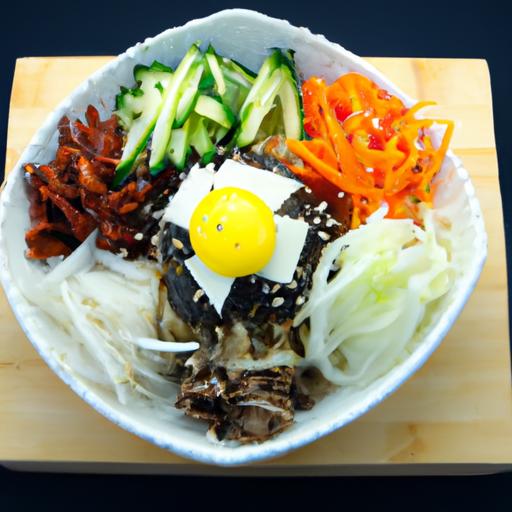

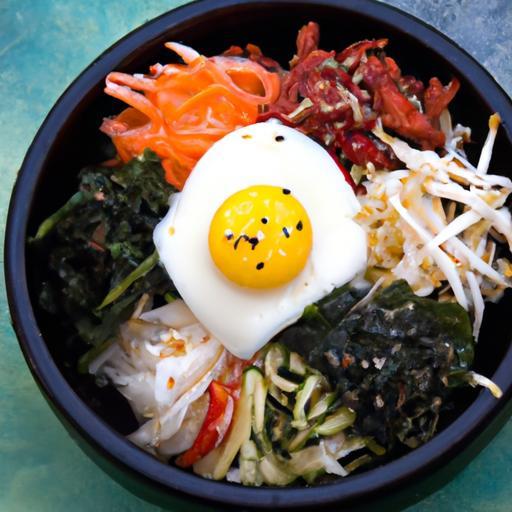
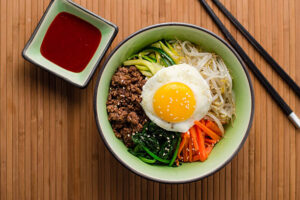
In a vibrant bowl where tradition meets flavor,Bibimbap stands as a appetizing emblem of Korean cuisine-inviting curious food lovers to embark on a sensory journey like no other. “Bibimbap Bliss: Your Step-by-Step Guide to korean Flavor” is more than just a recipe; it’s an exploration of harmony, color, and culture, perfectly balanced in every bite. Whether you’re a seasoned foodie or a kitchen newcomer,this guide will walk you through the art of assembling this iconic dish,uncovering the secrets behind it’s layers of seasoned rice,fresh vegetables,spicy gochujang,and savory toppings. Prepare to awaken your palate and bring a taste of korea’s culinary soul right to your table. Bibimbap Blisshttp://Bibimbap Bliss starts with understanding the harmony of ingredients that create this iconic Korean dish.Rooted deeply in tradition, bibimbap is more than just a bowl of rice and vegetables-it’s an artful symphony of texture, color, and umami-rich flavors that celebrate balance and freshness. From perfectly steamed rice to vibrantly seasoned vegetables and the bold, fiery signature gochujang sauce, each component breathes life into this culinary masterpiece. As a longtime lover and creator of Korean cuisine, I find joy in carefully layering every element to craft a bowl that excites the palate and delights the eyes. Bibimbap Bliss
Bibimbap Bliss starts with understanding the harmony of ingredients that create this iconic Korean dish.Rooted deeply in tradition, bibimbap is more than just a bowl of rice and vegetables-it’s an artful symphony of texture, color, and umami-rich flavors that celebrate balance and freshness. From perfectly steamed rice to vibrantly seasoned vegetables and the bold, fiery signature gochujang sauce, each component breathes life into this culinary masterpiece. As a longtime lover and creator of Korean cuisine, I find joy in carefully layering every element to craft a bowl that excites the palate and delights the eyes. Bibimbap Bliss
Bibimbap Bliss starts with understanding the harmony of ingredients that create this iconic Korean dish.Rooted deeply in tradition, bibimbap is more than just a bowl of rice and vegetables-it’s an artful symphony of texture, color, and umami-rich flavors that celebrate balance and freshness. From perfectly steamed rice to vibrantly seasoned vegetables and the bold, fiery signature gochujang sauce, each component breathes life into this culinary masterpiece. As a longtime lover and creator of Korean cuisine, I find joy in carefully layering every element to craft a bowl that excites the palate and delights the eyes. Bibimbap Bliss
Prep and cook Time
- Planning: 30 minutes
- Cook Time: 25 minutes
- Total Time: 55 minutes
Yield
Serves 4 hearty portions
Difficulty Level
Medium – Great for adventurous home cooks eager to master authentic techniques
Ingredients
- For the Rice: 2 cups short-grain white rice, rinsed untill water runs clear
- Seasoned Vegetables:
- 1 cup shredded carrots
- 1 cup spinach, blanched and squeezed
- 1 cup shiitake mushrooms, thinly sliced
- 1 cup bean sprouts, blanched
- 2 cloves garlic, minced
- 2 teaspoons toasted sesame oil, divided
- Salt and pepper, to taste
- Protein Option: 4 large eggs (fried sunny side up) or 1 cup thinly sliced beef bulgogi
- Signature Gochujang Sauce:
- 3 tablespoons gochujang (Korean chili paste)
- 1 tablespoon sesame oil
- 1 tablespoon rice vinegar
- 1 tablespoon honey or brown sugar
- 1 teaspoon soy sauce
- 1 teaspoon minced garlic
- Garnishes:
- Toasted sesame seeds
- Thinly sliced nori (seaweed)
- Scallions, chopped
Instructions
- Cook the rice: Rinse 2 cups of short-grain rice thoroughly. Combine with 2.5 cups water in a rice cooker or pot. Cook according to your rice cooker’s instructions or bring to a boil, then simmer covered for 15 minutes, resting off heat for 10 minutes. Fluff with a fork.
- Prepare seasoned vegetables:
- Carrots: sauté shredded carrots with 1 teaspoon sesame oil and a pinch of salt over medium heat until tender but bright, about 3 minutes.
- Spinach: Blanch spinach in boiling water for 30 seconds, drain and squeeze out excess water. Toss with minced garlic, 1 teaspoon sesame oil, salt, and pepper.
- Shiitakes: Sauté sliced shiitake mushrooms in 1 teaspoon sesame oil with a pinch of salt until golden and fragrant, about 5 minutes.
- Bean sprouts: Blanch briefly, drain, and toss with a little sesame oil, salt, and pepper.
- make the gochujang sauce: In a small bowl, whisk together gochujang, sesame oil, rice vinegar, honey, soy sauce, and minced garlic until smooth. Adjust sweetness or tang to taste. For milder versions, reduce gochujang and add extra honey.
- Cook your protein: Fry eggs sunny side up, keeping yolks runny for richness. Alternatively, quickly stir-fry beef bulgogi until caramelized, about 4 minutes.
- Assemble the bibimbap: in wide bowls, spoon a generous base of rice. Neatly arrange each seasoned vegetable in colorful sections atop the rice. Place the fried egg or bulgogi in the center.
- Garnish and serve: Drizzle 1-2 tablespoons of gochujang sauce over each bowl. Sprinkle with toasted sesame seeds, chopped scallions, and thin nori strips for a finishing touch.
- Enjoy the experience: Encourage mixing everything together at the table-this vibrant medley of textures and flavors awakens every bite!
Chef’s notes
- For perfectly fluffy rice, let it rest covered off the heat to absorb steam fully.
- Seasoned vegetables can be prepped in advance and chilled-just reheat or serve at room temperature.
- Gochujang sauce is highly customizable: add extra vinegar for brightness or a touch of miso for depth.
- Substitute beef with tofu or mushrooms for a vegetarian-friendly bibimbap.
- If you like a crispy crust, serve bibimbap in a hot stone bowl (dolsot) and let it cook briefly before mixing.
serving Suggestions
Present bibimbap in wide,shallow bowls to showcase the vibrant layers. Add a side of kimchi and a small bowl of warm soup for a complete Korean feast. A sprinkle of toasted sesame seeds and fresh scallions not only add crunch and color but elevate the overall flavor profile. For an added sensory delight, provide a dollop of homemade kimchi mayonnaise or radish pickles on the side. Serve with stainless steel chopsticks and a spoon for the authentic experience.
| Nutrient | Per Serving |
|---|---|
| Calories | 480 kcal |
| Protein | 18 g |
| Carbohydrates | 65 g |
| Fat | 12 g |
Explore more Korean recipes to complement your Bibimbap Bliss experience. For deeper insight into gochujang and its history, visit Korean Bapsang, a trusted authority on Korean cooking traditions.

Q&A
Q&A: Bibimbap Bliss – your Step-by-Step Guide to Korean Flavor
Q1: What exactly is Bibimbap, and why is it so beloved in Korean cuisine?
A: Bibimbap, which means “mixed rice,” is a vibrant Korean dish that combines warm rice with an array of sautéed and seasoned vegetables, tender meat or tofu, a perfectly fried egg, and a drizzle of fiery gochujang (Korean chili paste). Its beauty lies in the harmony of flavors, textures, and colors that come together in one bowl-a true celebration of balance and nutrition that’s as satisfying to the eyes as it is to the palate.
Q2: What’s the secret to achieving the perfect Bibimbap at home?
A: The secret is all about fresh, high-quality ingredients and layering flavors thoughtfully. Start by preparing your vegetables separately to preserve their texture and color-think crisp spinach, earthy mushrooms, sweet carrots, and crunchy bean sprouts. Season each one simply with sesame oil and garlic. Whether you choose beef bulgogi, chicken, tofu, or go veggie, cook your protein well but tenderly. Don’t forget the golden fried egg on top-its runny yolk creates that luxurious sauce once everything is mixed. a good dollop of gochujang ties it all together with its sweet-spicy kick.Q3: Can Bibimbap be easily customized for different dietary needs or tastes?
A: absolutely! Bibimbap is incredibly versatile. Vegetarians and vegans can skip the meat and egg, or use plant-based alternatives, while still enjoying a satisfying medley of veggies and tofu. For gluten-free options, just double-check your gochujang and soy sauce labels. You can also experiment with heat levels or try creative twists like quinoa instead of rice, or adding kimchi for extra tangy crunch. The key is to keep the balance of textures and flavors intact.
Q4: How do you properly mix and eat Bibimbap?
A: The magic of Bibimbap happens when all the components unite! Before eating, combine everything thoroughly-the rice, veggies, protein, egg, and gochujang-so every bite bursts with complexity. This playful “mix it up” ritual lets you enjoy a delightful harmony of spicy, savory, nutty, and fresh notes all at once. Grab your spoon (or chopsticks if you’re feeling adventurous) and dig in!
Q5: Any tips for sourcing authentic ingredients if I live outside Korea?
A: Many Korean ingredients are now widely available in international supermarkets or specialty Asian stores. For authentic gochujang, look for reputable brands and check the ingredient list for natural fermentation. Fresh veggies are generally easy to find, but if you want traditional favorites like fernbrake (gosari) or Korean radish, dried or pickled versions may be your friend.Don’t hesitate to explore online marketplaces for quality, authenticity, and convenience.
Q6: Why should food lovers add Bibimbap to their culinary repertoire?
A: Bibimbap is more than a dish-it’s a sensory journey. It invites you to savor individuality within unity, showcases Korea’s masterful use of simple ingredients, and celebrates mindful eating. Plus, it’s colorful, nourishing, and endlessly adaptable, making it a perfect weeknight dinner or impressive dish for guests. Embrace Bibimbap and you’re not just making food-you’re crafting an experience steeped in history, flavor, and heartfelt tradition.
The Way Forward
As you close the chapter on your Bibimbap journey, remember that this vibrant bowl is more than just a meal-it’s a celebration of harmony, tradition, and creativity all mingling in a single dish. Armed with your newfound knowledge and step-by-step guidance, you’re ready to bring a taste of Korea’s rich culinary heritage into your own kitchen. So gather your ingredients,embrace the colors and textures,and let each bite transport you to the bustling streets and warm hearths where Bibimbap bliss was born. Your adventure in Korean flavor has only just begun-may every bowl be a delicious discovery.