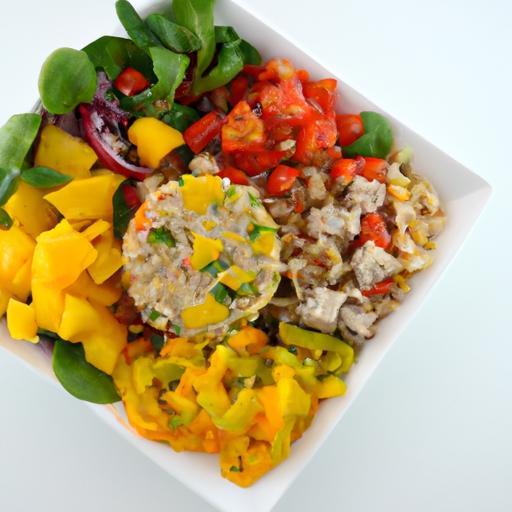

In a world where mealtime frequently enough feels rushed and repetitive,Buddha bowls emerge as a vibrant beacon of nourishment and creativity. These colorful, nutrient-packed dishes aren’t just a feast for the eyes-they’re a harmonious blend of flavors, textures, and wholesome ingredients designed to fuel both body and soul. Whether you’re a seasoned foodie or a busy individual seeking speedy, balanced meals, Buddha bowls offer an inviting canvas to explore healthful eating with ease and flair. Let’s dive into the art and science behind these delightful bowls and discover why they’ve become a beloved staple on tables around the globe.
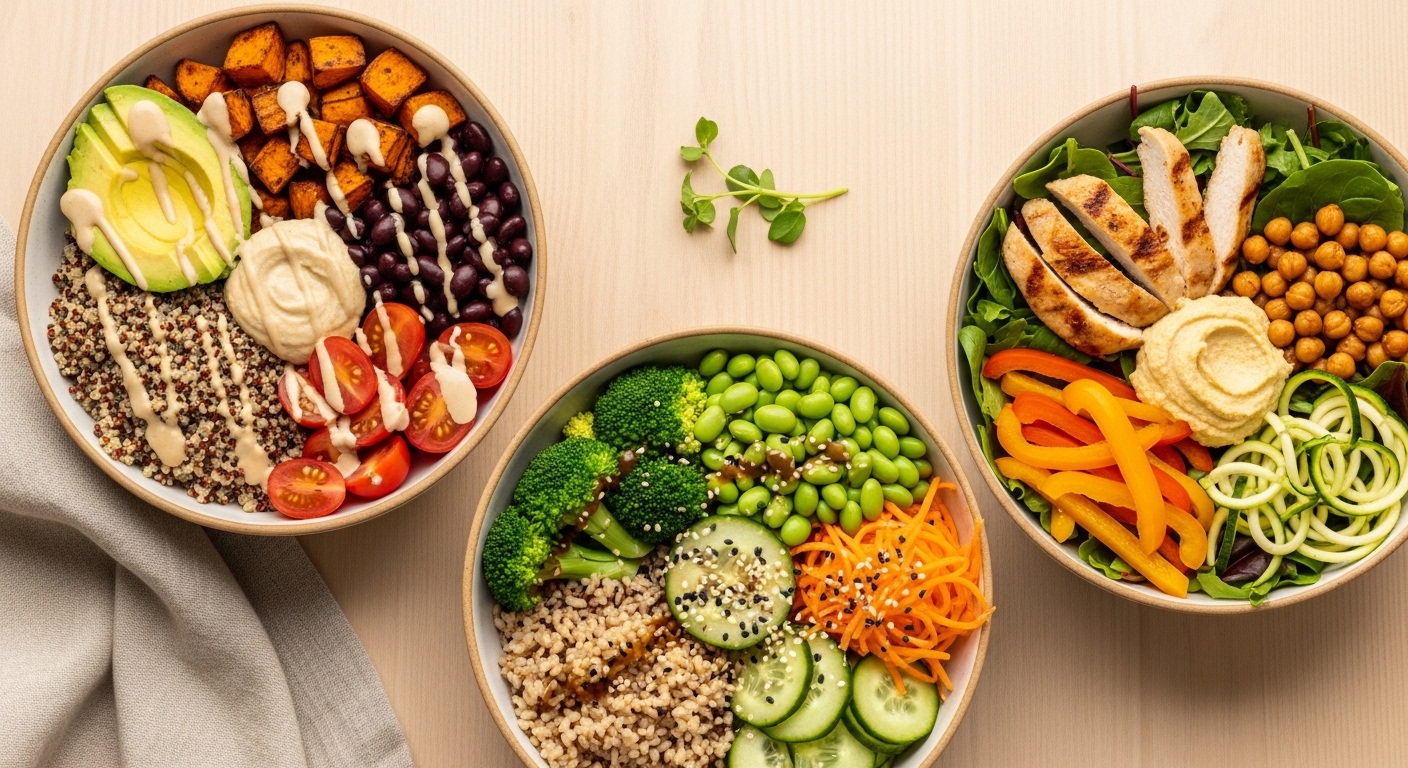
Buddha Bowls unveiled offer a vibrant, wholesome way to nourish your body while delighting your palate. Inspired by the ancient tradition of mindful eating, these colorful bowls invite you to combine a variety of textures and flavors in one satisfying meal. Each element harmonizes to provide balanced nutrition,making them a cornerstone of healthful,easy-to-prepare dishes perfect for any season.
Prep and Cook Time
Total Time: 25-35 minutes
Yield
Servings: 2 hearty bowls
Difficulty Level
Easy – great for beginners and busy weeknights
ingredients
- 1 cup quinoa, rinsed
- 2 cups vegetable broth
- 1 medium sweet potato, peeled and diced
- 1 cup chickpeas, cooked or canned, rinsed and drained
- 2 cups mixed greens (spinach, kale, or arugula)
- 1/2 cup shredded red cabbage
- 1/2 avocado, sliced
- 1/4 cup carrot ribbons
- 2 tbsp pumpkin seeds, toasted
- For the dressing:
- 3 tbsp tahini
- 1 tbsp lemon juice
- 1 tbsp maple syrup
- 1 tsp soy sauce or tamari
- 2-3 tbsp water to thin
Instructions
- Cook the quinoa: In a medium saucepan, bring vegetable broth to a boil. Add rinsed quinoa, reduce heat to low, cover, and simmer for about 15 minutes until all liquid is absorbed. Remove from heat and let rest for 5 minutes. Fluff with a fork.
- Prepare the sweet potato: While quinoa cooks,preheat oven to 425°F (220°C). toss diced sweet potato with a drizzle of olive oil and a pinch of salt. Spread evenly on a baking sheet and roast for 20 minutes or until tender and golden,flipping halfway through.
- Sauté chickpeas: Heat 1 tablespoon olive oil in a skillet over medium heat. Add chickpeas and a pinch of smoked paprika, sauté for 5 minutes until slightly crispy. Stir occasionally to prevent sticking.
- Mix the dressing: In a small bowl, whisk together tahini, lemon juice, maple syrup, soy sauce, and enough water until smooth and pourable.
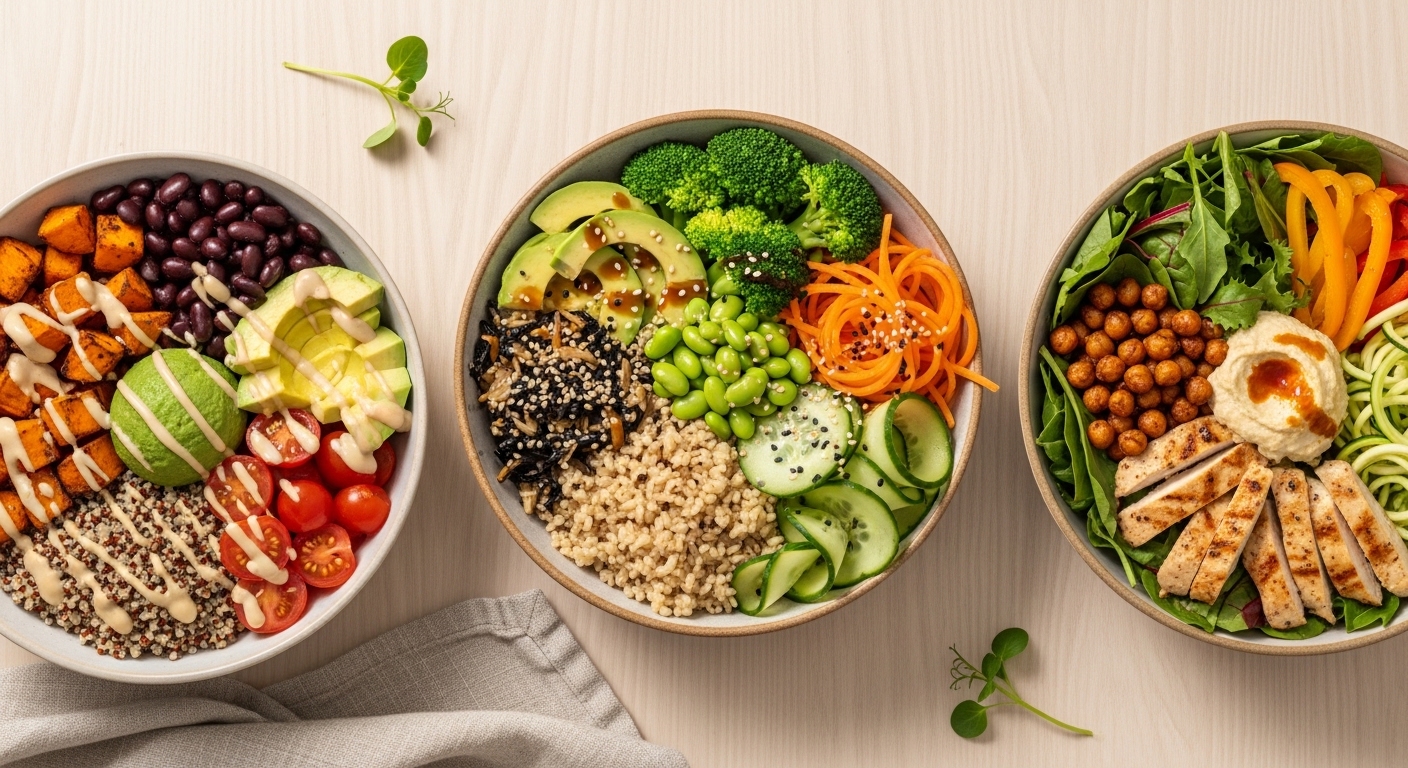
- Assemble the bowls: Divide quinoa between two bowls. Arrange sweet potatoes, sautéed chickpeas, mixed greens, cabbage, avocado slices, and carrot ribbons in sections over the quinoa for a vivid, inviting look.
- Drizzle generously: Pour the creamy tahini dressing over each bowl and sprinkle with toasted pumpkin seeds for a satisfying crunch.
Tips for Success
- Seasonal swaps: Substitute sweet potatoes with roasted beets, butternut squash, or seasonal root vegetables for variety.
- Protein options: Swap chickpeas for black beans, grilled tofu, or shredded chicken to suit dietary preferences.
- Make ahead: Cook grains and roast veggies in advance to build your bowl quickly on busy days.
- Texture balance: Combining creamy, crunchy, and chewy elements will elevate every bite.
- Storage: Keep dressing separate in the refrigerator for up to 4 days to maintain freshness.
Serving Suggestions
Present these bowls in wide, shallow dishes to show off the beautiful layers and colors. Garnish with fresh herbs such as cilantro or parsley, a sprinkle of sesame seeds, or a dash of chili flakes for a subtle heat boost. Pair with a crisp white wine or iced herbal tea for an invigorating meal experience.
| Nutrient | Per Serving |
|---|---|
| Calories | 480 kcal |
| Protein | 15 g |
| Carbohydrates | 62 g |
| Fat | 15 g |
For more vibrant, nutrient-packed recipes, don’t miss our healthy quinoa salads guide. Additionally, explore expert insights on balanced nutrition for plant-based meals at the harvard T.H. Chan School of Public Health.

Q&A
Q&A: Buddha Bowls Unveiled – Nutritious, Colorful, and Easy!
Q1: What exactly is a Buddha Bowl?
A1: A Buddha Bowl is a vibrant, nourishing meal served in a single bowl, typically packed with a harmonious mix of whole grains, fresh vegetables, plant-based proteins, and flavorful dressings. Think of it as a canvas where nutrition meets creativity – every bite is a balanced blend of textures, colors, and tastes.
Q2: Why are Buddha Bowls considered so nutritious?
A2: Buddha Bowls combine nutrient-dense ingredients like leafy greens, legumes, seeds, and ancient grains, delivering fiber, protein, healthy fats, and essential vitamins all at once. The diversity of components fuels your body with energy and supports digestion, immunity, and overall well-being.
Q3: What makes Buddha Bowls so colorful - is it just for looks?
A3: Colour in Buddha Bowls isn’t just eye candy; it’s a sign of varied phytonutrients and antioxidants. Reds, greens, purples, oranges, and yellows each bring unique vitamins and minerals to your plate. Eating a rainbow literally means feeding your body a spectrum of health benefits!
Q4: Are Buddha Bowls challenging or time-consuming to prepare?
A4: Not at all! Buddha Bowls are wonderfully easy and flexible. You can mix and match whatever ingredients you have: cooked grains, raw or roasted veggies, beans or tofu, and a simple dressing. Once you master a few staple elements, assembling your bowl becomes quick and fun.
Q5: Can I customize Buddha Bowls to fit different dietary needs?
A5: Absolutely! Buddha Bowls are incredibly adaptable. Whether you’re vegan,gluten-free,keto,or just a foodie seeking variety,you can tailor your bowl with specific grains,proteins,and dressings to suit your preferences and nutritional goals.Q6: What are some popular ingredients I might find in a Buddha Bowl?
A6: Common staples include quinoa or brown rice, kale or spinach, roasted sweet potatoes, chickpeas or tempeh, avocado slices, shredded carrots, beets, nuts or seeds, and a tangy tahini or lemon-ginger dressing. The magic is in the balance and combination.
Q7: How do Buddha Bowls support mindfulness and enjoyment during meals?
A7: Eating a Buddha bowl encourages you to savor every ingredient – the crunch, the creaminess, the zing of dressing – turning mealtime into a mindful moment. It’s a nourishing ritual that reconnects you with food’s vibrant textures and flavors, promoting gratitude and satisfaction.
Q8: Where can I find inspiration for my own Buddha Bowl creations?
A8: Inspiration is everywhere! From food blogs and Instagram feeds dedicated to plant-based cuisine to cookbooks and local farmers’ markets bursting with fresh produce, your next Buddha bowl masterpiece is just a swipe or a stroll away.Q9: What’s the story behind the name “Buddha Bowl”?
A9: The name ”Buddha Bowl” is often said to refer to the bowl’s fullness – like a rounded belly symbolizing contentment and balance, akin to the peaceful Buddha figure. It’s a fun nod to the meal’s wholesome, satisfying qualities.
Q10: any quick tips for crafting the perfect Buddha Bowl?
A10: Layer your bowl with a base of grains, add a generous serving of veggies, include a plant protein, sprinkle with seeds or nuts, and finish with a tasty dressing. Play with textures-combine crunchy, creamy, and chewy-to keep your taste buds delighted!
Insights and Conclusions
As we wrap up our journey into the vibrant world of Buddha bowls, it’s clear that these colorful creations are more than just a feast for the eyes-they’re a celebration of balance, nourishment, and simplicity on a plate. Whether you’re a seasoned plant-based eater or simply looking to add more variety and vitality to your meals, Buddha bowls invite you to customize, experiment, and savor each wholesome bite. So go ahead: combine your favorite grains,fresh veggies,protein-packed legumes,and zesty dressings to craft your own edible masterpiece.In embracing the Buddha bowl, you’re not just feeding your body-you’re nurturing a lifestyle where health meets happiness, all served up in a bowl. Happy creating!