
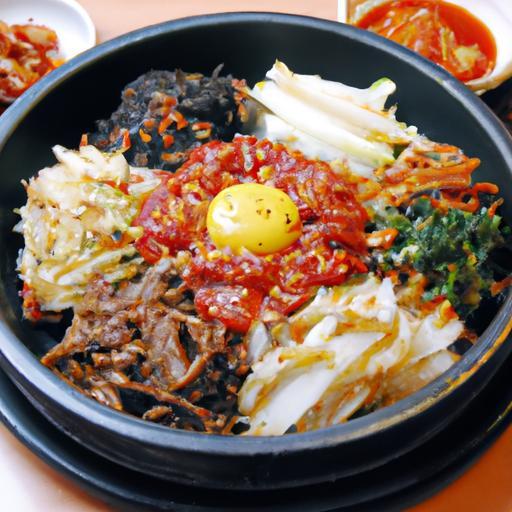
In the vibrant tapestry of Korean cuisine, few dishes capture both the heart and palate quite like dolsot bibimbap. This sizzling masterpiece,served in a blazing hot stone pot,is more than just a meal-it’s a harmonious blend of tradition,texture,and tantalizing flavors that dance together in perfect symphony. from the crackling golden crust that clings to the bowl to the colorful array of vegetables,marinated meats,and spicy gochujang sauce,dolsot bibimbap invites you to experience a culinary art form steeped in history. Join us as we delve into the secrets behind its creation, the cultural heritage it represents, and the reasons why this iconic Korean dish continues to enchant food lovers around the world.
Sizzling flavors define the irresistible charm of Dolsot Bibimbap, a Korean culinary masterpiece that celebrates harmony, texture, and history in every bite. Originating from Jeonju, a city renowned for its vibrant food culture, this dish elevates the customary bibimbap experience with a specially crafted hot stone bowl that creates that signature crispy rice crust, known as nurungji. The cultural meaning of dolsot bibimbap lies not only in its balanced, wholesome ingredients but also in its communal nature – a dish meant to be savored slowly, allowing the senses to engage with every sizzling sound and aroma.
My first encounter with dolsot bibimbap came during a family gathering in Seoul, where the bubbling stone pot brought everyone to the table with anticipation and warmth. That profound sensory moment, where the rice crisps at the base while fresh vegetables and marinated beef dance atop, shaped my passion for recreating this iconic Korean dish authentically at home.
Prep and Cook Time
- Readiness: 25 minutes
- Cooking: 20 minutes
- Total Time: 45 minutes
Yield
- Serves 4 hearty portions
Difficulty Level
- Medium – perfect for adventurous home cooks aiming to master Korean cuisine
Ingredients
- 2 cups cooked short-grain white rice (preferably day-old for crispiness)
- 1 dolsot (stone pot) about 8 to 9 inches in diameter
- 150g ground beef (or thinly sliced ribeye for richer flavor)
- 1 small carrot, julienned
- 1 zucchini, julienned
- 100g spinach, blanched and squeezed dry
- 100g bean sprouts, blanched
- 4 shiitake mushrooms, thinly sliced
- 2 cloves garlic, minced
- 2 teaspoons sesame oil
- 1 tablespoon vegetable oil
- 2 eggs
- 2 tablespoons gochujang (Korean chili paste)
- 1 tablespoon soy sauce
- 1 teaspoon sugar
- Salt and freshly ground black pepper, to taste
- 1 teaspoon toasted sesame seeds (for garnish)
Instructions
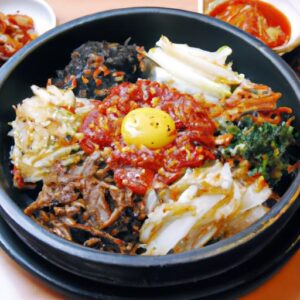
- Prepare the vegetables: In separate pans, sauté the julienned carrot and zucchini in a little vegetable oil until tender-crisp, about 3 minutes each. Season lightly with salt and set aside. Sauté shiitake mushrooms with minced garlic and a splash of soy sauce until fragrant, about 4 minutes.Dolsot Bibimbap
- Season and cook spinach and bean sprouts: Toss the blanched spinach and bean sprouts with a pinch of salt and 1 teaspoon sesame oil. Set aside.
- Cook the beef: In a hot skillet, add 1 tablespoon vegetable oil and sauté ground beef with 1 tablespoon soy sauce, 1 teaspoon sugar, minced garlic, salt, and pepper. Cook until browned and fully cooked, about 5 minutes. Remove from heat.
- Heat the dolsot: Place the stone pot on the stove over medium heat. add 1 teaspoon sesame oil and swirl it to coat the bottom. Add the cooked rice evenly, pressing gently to spread the rice across the bottom to promote even crisping.Dolsot Bibimbap
- Layer the toppings: arrange the prepared vegetables and beef over the rice in sections, creating a colorful mosaic. Crack the eggs on top (one per serving if making individually), keeping the yolks intact.Dolsot Bibimbap
- Cook and serve: Reduce heat to low, cover the pot, and cook for about 5 minutes or until the egg whites are set but yolks remain soft. The bottom layer should develop a golden, crispy crust. Alternatively, carefully transfer the hot pot to the dining table for the sizzling presentation.Dolsot Bibimbap
- Finish with gochujang: Serve with a generous dollop of gochujang on the side. Stir everything together just before eating to combine the sizzling flavors and textures.Dolsot Bibimbap
Chef’s Notes and Tips for Success
- Using day-old rice with lower moisture content is key to achieving the perfect crispy crust in the dolsot. Freshly cooked rice can be too soft and sticky.
- For a vegetarian version, substitute beef with sautéed tofu or mushrooms, and add kimchi for an extra tangy kick.Dolsot Bibimbap
- Ensure the stone pot is well-preheated but not smoking to avoid burning the rice. Season the pot with sesame oil each time to enhance flavor and prevent sticking.Dolsot Bibimbap
- To make prep easier, blanch vegetables and prepare beef in advance, then assemble just before serving for that perfect sizzling moment.
- Be mindful when stirring the hot pot; the crispy crust is highly valued and should be savored rather than completely mixed away.Dolsot Bibimbap
Serving Suggestions
Serve dolsot bibimbap straight from the stone bowl to maintain the sizzling charm. Garnish with a sprinkle of toasted sesame seeds and finely sliced scallions. Accompany with traditional sides like kimchi, pickled radishes, or a bowl of clear seaweed soup for a truly immersive Korean dining experience. For a refreshing contrast, offer chilled cucumber salad seasoned with vinegar and chili flakes.
| nutrient | Per Serving |
|---|---|
| Calories | 480 kcal |
| protein | 30 g |
| Carbohydrates | 55 g |
| Fat | 15 g |
discover our authentic kimchi recipe for the perfect traditional side to pair with your dish. For more cultural insights on Korean haute cuisine, visit Korea.net’s official culinary guide.

Q&A
Q&A: Sizzling Flavors – The Art and Tradition of Dolsot Bibimbap
Q1: What exactly is dolsot Bibimbap?
A: Dolsot Bibimbap is a vibrant korean dish that translates to “mixed rice in a stone pot.” Served in a heated stone bowl (dolsot), the dish features a colorful array of vegetables, marinated meats, a fried egg, and a dollop of spicy gochujang sauce atop a bed of steamed rice. The magic happens as the sizzling bowl crisps the rice at the bottom, adding a delightful texture and smoky aroma to every bite.Dolsot Bibimbap
Q2: why is the stone bowl so important in Dolsot Bibimbap?
A: The stone bowl isn’t just a container-it’s a culinary tool that transforms the dish. Heated to sizzling temperatures, the stone bowl sears the rice, creating a crispy golden crust called “nurungji.” This crust adds a nutty flavor and crunchy contrast that’s beloved by many. Plus, the bowl retains heat well, keeping the meal warm and enhancing the flavors throughout the dining experience.Dolsot Bibimbap
Q3: what are the traditional ingredients used in Dolsot Bibimbap?
A: Traditionally, Dolsot Bibimbap includes a harmonious balance of ingredients: julienned vegetables like spinach, bean sprouts, carrots, zucchini, and mushrooms; thinly sliced beef or bulgogi for protein; a sunny-side-up egg; and fermented chili paste known as gochujang. Sesame oil and toasted sesame seeds often finish the dish, adding depth and aroma.Dolsot Bibimbap
Q4: How does Dolsot Bibimbap reflect Korean culture?
A: dolsot Bibimbap is more than just food-it’s a cultural symbol of harmony and balance. The dish brings together diverse ingredients, each with its own flavor and texture, creating a unified whole when mixed. It embodies Korean values of health, seasonality, and aesthetic presentation. Sharing bibimbap is also an act of communal dining, emphasizing connection and togetherness.Dolsot Bibimbap
Q5: Can you describe the experience of eating Dolsot Bibimbap?
A: Eating Dolsot Bibimbap is a sensory adventure. As the hot stone bowl arrives at your table, you hear the satisfying sizzle and smell the smoky aroma of toasted rice. Mixing the ingredients blends sweet, salty, spicy, and earthy flavors with contrasting textures-soft veggies, tender meat, crunchy rice crust, and creamy egg yolk. Each spoonful is a tasty journey, both comforting and exciting.
Q6: are there modern variations of Dolsot Bibimbap?
A: Absolutely! While the classic recipe remains beloved, chefs worldwide experiment with ingredients to cater to modern palates. vegetarian versions swap beef for tofu or mushrooms. Some incorporate fusion elements like kimchi, cheese, or even seafood. Despite these innovations, the essence of sizzling hot rice and vibrant, fresh toppings remains at the heart of the dish.Dolsot Bibimbap
Q7: What tips do you have for making authentic dolsot bibimbap at home?
A: To make authentic Dolsot Bibimbap, start by heating a proper stone or heavy-bottomed pot until very hot. Coat the bowl lightly with sesame oil to help form that coveted crispy crust. Prepare your vegetables separately to retain their freshness and texture. Use high-quality gochujang for the perfect spicy kick. don’t rush-allow the stone bowl to work its magic as you savor the layers of flavor unfolding with each mixed bite.Dolsot Bibimbap
Q8: Where can one best experience traditional Dolsot Bibimbap?
A: The best place to experience authentic Dolsot Bibimbap is in Korea itself-especially in Seoul’s bustling markets and traditional eateries in neighborhoods like Insadong and Bukchon. Here, the dish is served piping hot right from the dolsot, crafted with local ingredients and decades of culinary heritage. Many Korean restaurants worldwide now offer Dolsot Bibimbap, but nothing quite matches the sizzling, soulful experience of enjoying it where it originated.
Unlock the sizzling secret behind Dolsot bibimbap and celebrate a dish that’s as rich in history as it is indeed in flavor-truly a Korean culinary masterpiece that ignites the senses and warms the heart.
The Conclusion
As the steam rises and the crispy golden crust crackles beneath the spoon, dolsot bibimbap reveals itself not merely as a dish, but as a vibrant tapestry woven from Korea’s rich culinary heritage. Each ingredient, carefully curated and harmoniously combined in the sizzling stone bowl, tells a story of tradition, community, and the timeless art of balance.Whether you’re a seasoned foodie or a curious newcomer, embracing the warmth and ritual of dolsot bibimbap invites you to savor more than just flavors-it offers a delicious glimpse into a culture where food is both nourishment and party. So next time you hear that satisfying sizzle, remember: you’re not just eating a meal, you’re partaking in a centuries-old tradition sizzling with soul.
Dolsot Bibimbap