
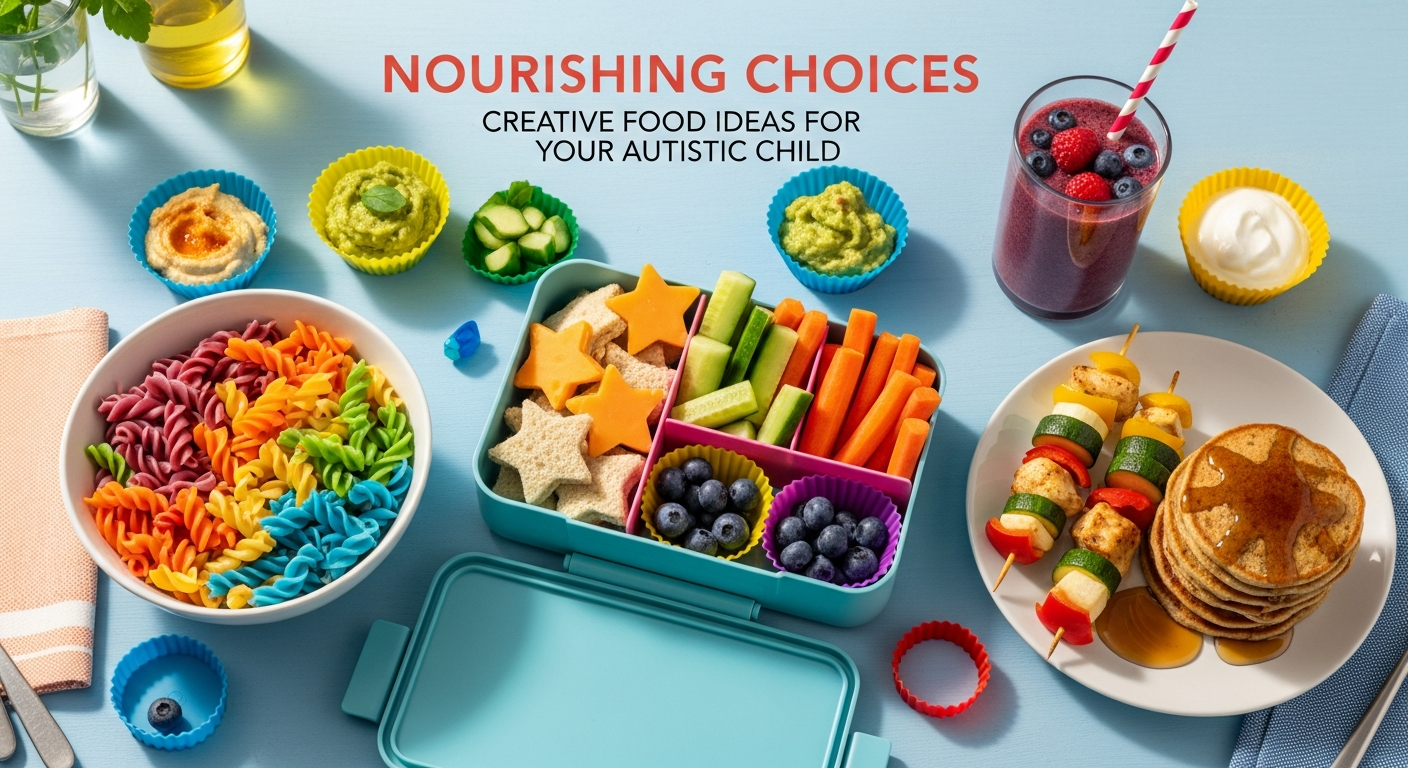
Every child’s palate is a world of its own-filled with unique preferences, textures, adn flavors that shape their relationship with food. For parents of autistic children, mealtime can be both a joyful finding and a careful balancing act, as sensory sensitivities and nutritional needs frequently enough guide every bite. “Nourishing Choices: Creative Food Ideas for Your Autistic Child” invites you on a culinary journey where thoughtful ingredients meet imaginative planning. Here, nourishment is more than just sustenance; it’s an artful blend of comfort, creativity, and care designed to support your child’s well-being and explore new tastes with confidence. Whether you’re navigating texture aversions or seeking vibrant, wholesome meals, this article offers practical inspiration to turn mealtime into a meaningful experience for your family.
Nourishing Choices: Creative Food Ideas for Your Autistic Child – Brain-Boosting Rainbow Veggie Wraps
Nourishing Choices: Creative Food Ideas for Your Autistic Child are all about combining sensory harmony, nutrient density, and playful presentation to delight even the most selective eaters. This recipe for Brain-Boosting rainbow Veggie Wraps originated from my journey to craft meals that celebrate vibrant colors, diverse textures, and essential brain-supporting nutrients like omega-3 fatty acids and antioxidants.
These wraps are designed to gently expand palates by blending familiar ingredients like creamy hummus and soft whole wheat tortillas with an array of crunchy, colorful vegetables-carefully selected to avoid overwhelming sensitive senses while nurturing developing minds in an approachable, joyful way.
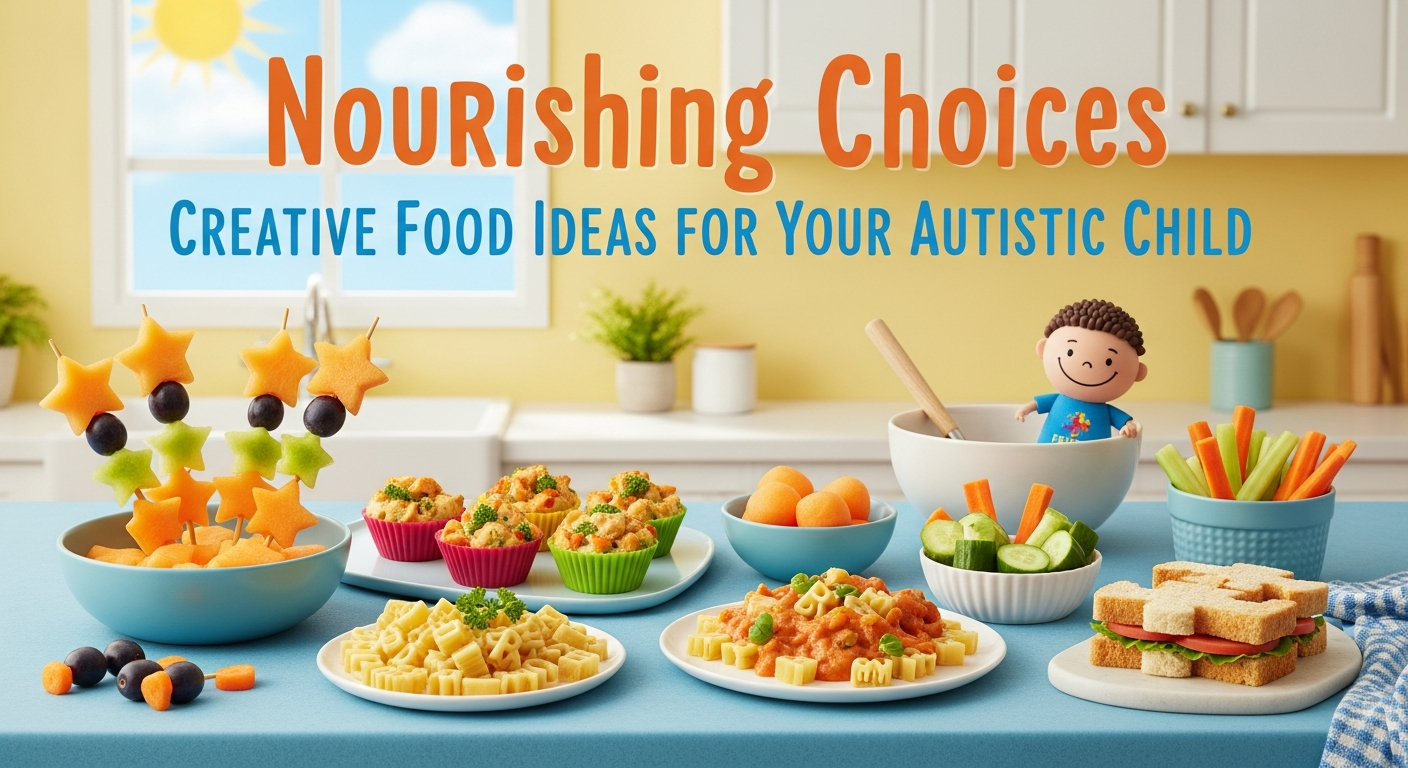
Prep and Cook Time
Prep: 20 minutes | Cook: 0 minutes | Total: 20 minutes
Yield
Serves 4 wraps
Difficulty Level
Easy – perfect for busy families seeking simple, nourishing meals
ingredients
- 4 whole wheat tortillas, 8-inch diameter
- 1 cup hummus, smooth and creamy
- ½ cup shredded carrots, fresh and crisp
- ½ cup thinly sliced cucumber
- ½ cup red, yellow, and orange bell pepper strips, for rainbow appeal
- ¼ cup baby spinach leaves, washed and soft
- 2 tablespoons chia seeds, for brain-healthy omega-3s
- ¼ avocado, sliced for creaminess and good fats
- 1 tablespoon toasted sesame seeds, optional, for mild crunch
Instructions
- Lay each tortilla flat on a clean surface or cutting board.
- Spread ¼ cup hummus evenly over each tortilla, leaving a small border around the edges to prevent sogginess.
- Sprinkle chia seeds lightly atop the hummus for an invisible nutrient boost.
- Arrange the shredded carrots, cucumber slices, and bell pepper strips in neat, colorful rows in the center of each wrap to visually entice and make the experience tactile but not overwhelming.
- Add a small handful of baby spinach leaves and place thin slices of avocado for creamy texture and brain-beneficial fatty acids.
- Optional: Sprinkle toasted sesame seeds on top for a gentle nutty flavour and slight crunch that engages without overstimulation.
- Carefully roll the tortilla tightly but gently from one edge,tucking in the edges as you go to ensure the filling stays compact.
- Slice each wrap diagonally into halves or thirds, creating fun, manageable bite sizes perfect for little hands and encouraging self-feeding.
- Serve instantly or wrap tightly in parchment and refrigerate for up to 4 hours for fresh meals on the go.
Tips for Success
- Customize the Veggies: Tailor vegetables according to your child’s sensory preferences-soft cucumber for those who dislike crunch, or omit seeds/pithy parts if texture sensitivity is an issue.
- Make it Fun: use cookie cutters on the wraps after rolling to create shapes like stars or hearts, turning mealtime into a playful experience.
- Boost Brain Nutrients: Mix ground flaxseed into your hummus or swap with a mild nut butter if allergies allow, for additional omega-3 fatty acids and vitamin E.
- Trial small Introductions: For new flavors, combine a familiar favorite hummus type with one new veggie, gradually expanding the palate without pressure.
- Store Smart: Wraps can be prepped the night before; to keep tortillas from becoming soggy, layer a thin barrier of hummus or use sturdy spinach leaves as “insulators” around moister vegetables.
Serving Suggestions
Place these colorful wraps on a plate lined with a leaf of lettuce or edible flower petals to elevate visual interest. Pair with a small side of Greek yogurt dip sprinkled with dill or lemon zest to add a creamy dip that complements both taste and tactile experience.
For added sensory play, serve with a side of crunchy snap peas or pita crisps, allowing your child to engage with different textures gradually. Radiant, natural-food coloring or fun food picks can encourage exploration and excitement at mealtime.

| Nutrient | Per Wrap | % Daily Value |
|---|---|---|
| Calories | 280 kcal | 14% |
| Protein | 8g | 16% |
| carbohydrates | 35g | 12% |
| Fat | 10g | 15% |
| Fiber | 8g | 32% |
Explore more sensory-friendly recipes to continue enriching your family’s table with creativity and nourishment. For scientific insights on the brain benefits of omega-3s and antioxidants,visit Healthline’s complete guide.
Q&A
Q&A: Nourishing Choices – Creative Food Ideas for Your Autistic Child
Q1: Why is focusing on creative food ideas important for autistic children?
A1: Many autistic children experience sensory sensitivities, rigid food preferences, or digestive challenges. Creative food ideas not only help accommodate these unique needs but also encourage a positive relationship with eating. By introducing variety through playful presentation and tailored textures, mealtime becomes a nurturing and enjoyable experience rather than a stressful routine.
Q2: How can I make food more appealing to my autistic child who is a picky eater?
A2: Think of food as an art project! use vibrant colors, fun shapes, and captivating textures that align with your child’s sensory preferences. Such as, if your child prefers crunch, try baked veggie chips or crisp apple slices. If smooth textures are preferred, puree fruits into colorful smoothies or whip up creamy dips. Using cookie cutters to shape sandwiches or arranging food into familiar characters can also spark curiosity and willingness to try new foods.
Q3: What are some easy creative meals that cater to sensory sensitivities?
A3: Simple meals that balance flavor and texture can be both fun and soothing. Try “Rainbow Rice Bowls” where you mix cooked rice with finely chopped veggies and proteins, giving a burst of color and mild texture. Another idea is “Build-Your-Own Tacos,” letting your child select fillings they enjoy,creating an interactive experience.Smooth creamy soups or blended veggie purees can cater to those who prefer softer textures without compromising nutrition.
Q4: How can I incorporate nutritional balance without overwhelming my autistic child?
A4: Start small. introduce new flavors in minimal portions alongside familiar favorites. sneak in nutrient-dense ingredients-like spinach blended into fruit smoothies or finely grated carrots mixed into pasta sauce-so they go unnoticed but pack a punch. Routine and consistency help; serving meals at the same time and in a similar way comforts your child. remember, nourishing choices don’t have to be complicated, just thoughtfully creative.
Q5: Are there specific strategies to ease mealtime stress for autistic children?
A5: Absolutely. Establishing rituals like setting the table together or using familiar utensils can build predictability. Use visual cues such as picture cards to outline meal components or steps in eating. Involve your child in food preparation to boost engagement. Lastly, avoid pressuring them to finish everything-celebrate small achievements and keep the atmosphere positive and patient.
Q6: How do I address texture aversions creatively?
A6: Experiment with food textures gradually. For example, if your child dislikes mushy foods, opt for lightly steamed vegetables instead of boiled ones to maintain firmness. Freeze pureed fruits into popsicles for a cool, smooth treat or bake fruits for a soft-yet-structured snack. Layer textures in dishes-like crunchy toppings over creamier bases-so your child can experience different sensations in a single bite.
Q7: Can desserts be part of nourishing choices?
A7: Absolutely! Desserts don’t have to be sugary treats. Try naturally sweet options like baked apples with cinnamon, chia seed puddings made with fruit purées, or yogurt parfaits layered with granola and berries. These choices satisfy sweet cravings while adding fiber, vitamins, and probiotics, supporting overall health in a delicious way.
Q8: Where can I find inspiration for creative recipes tailored to my child’s needs?
A8: Online communities and blogs focused on autism-friendly nutrition are treasure troves of ideas. Books by nutritionists specializing in neurodiverse diets offer valuable guidance. Additionally, collaborating with dietitians or occupational therapists can provide personalized strategies that align with your child’s preferences and sensory profile.
Feeding your autistic child is a journey of discovery-one that celebrates their uniqueness with nourishing, creative, and compassionate choices. Keeping mealtime inviting and adaptable helps cultivate not just health but joy at the table.
Final Thoughts
As you embark on this flavorful journey of nurturing your autistic child’s unique palate, remember that each bite is more than just nourishment-it’s an opportunity for connection, discovery, and joy. By embracing creativity and patience, you transform mealtime into a vibrant canvas where textures, colors, and tastes come together to support growth and wellbeing. Nourishing choices are not only about what’s on the plate but also about honoring individuality and fostering confidence in every small, delicious step forward. Let these ideas inspire you to craft meals that are as imaginative and remarkable as the child you cherish.