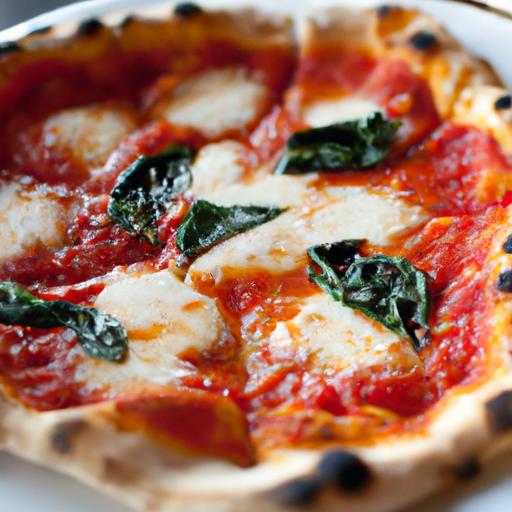

There’s something undeniably magical about a perfectly crafted Margherita pizza-a harmonious blend of simple ingredients that has earned its legendary status in the world of culinary delights. Beyond its humble appearance lies a story steeped in tradition, flavor, and artistry. In this article, we’ll take you on a flavorful journey to master the classic Margherita pizza, unveiling the secrets that transform flour, tomatoes, mozzarella, and basil into a timeless masterpiece. Whether you’re a seasoned home cook or a curious beginner,prepare to elevate your pizza-making skills and savor the vibrant essence of italy’s beloved icon.
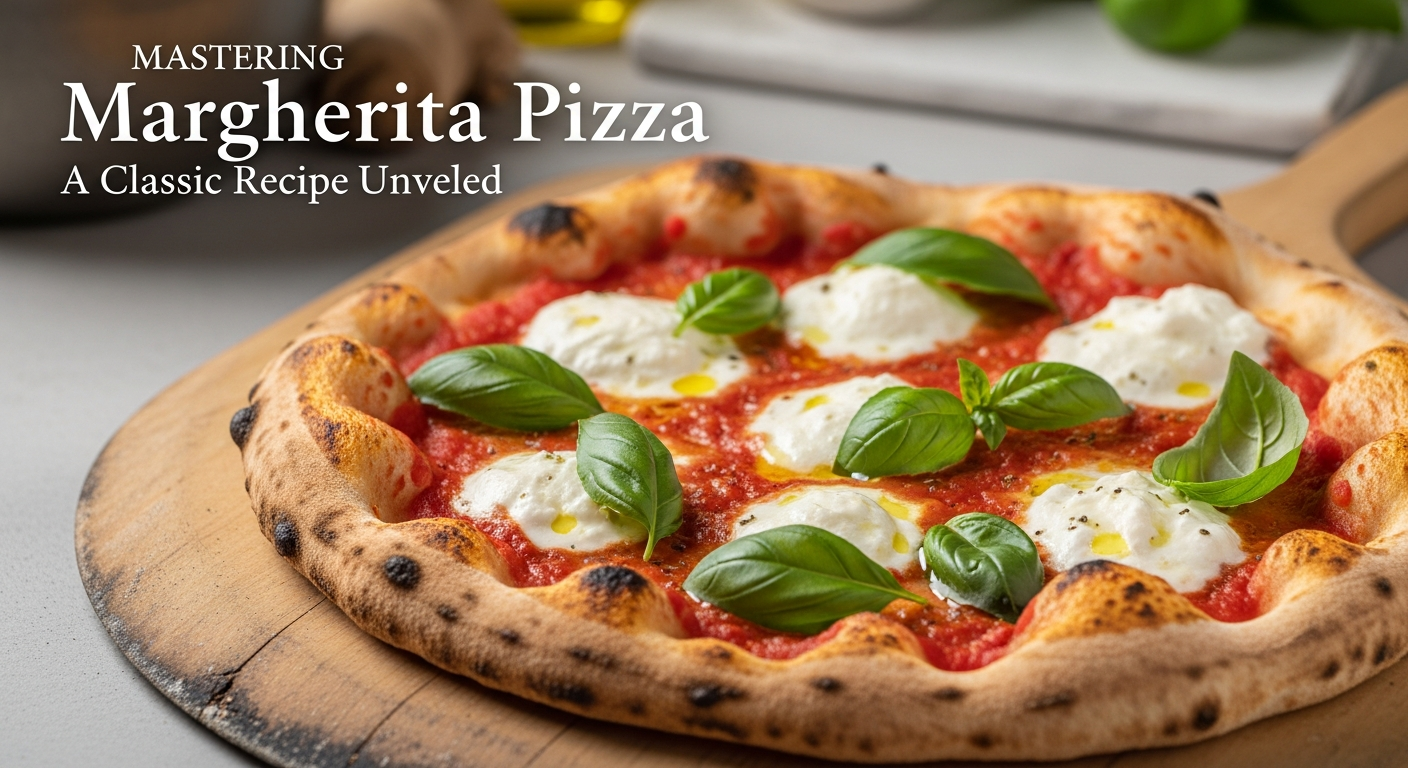
Mastering Margherita Pizza captures the essence of Italian tradition in every bite, inviting you to create a timeless dish that celebrates simplicity and freshness. Originating from Naples, this iconic pizza relies on the harmony between crisp, flavorful dough, vibrant tomato sauce, and creamy mozzarella, crowned with fragrant basil leaves. As a seasoned culinary creator and food stylist, I’ve found that choosing the right ingredients and techniques elevates this classic beyond expectations, engaging not only the palate but the eyes as well.
prep and Cook Time
- prep Time: 20 minutes (plus 1-2 hours dough resting)
- Cook Time: 8-12 minutes
- total Time: Approximately 1 hour 30 minutes to 2 hours
Yield
- Serves 2-3 people
Difficulty Level
- Medium – Perfect for home cooks ready to deepen their artisan baking skills
Ingredients
- For the Dough:
- 2 cups 00 flour (highly recommended for authentic texture)
- 3/4 cup lukewarm water
- 1 tsp active dry yeast
- 1 tsp sugar
- 1 tbsp extra virgin olive oil
- 1 tsp fine sea salt
- For the Sauce:
- 1 cup canned San Marzano whole peeled tomatoes, crushed by hand
- 1 garlic clove, finely minced
- 1 tsp extra virgin olive oil
- Salt to taste
- Freshly ground black pepper (optional)
- For the Topping:
- 6 oz fresh mozzarella di bufala, sliced and drained
- A handful of fresh basil leaves
- Extra virgin olive oil, for drizzling
Instructions
- Activate the yeast: In a small bowl, combine lukewarm water, sugar, and yeast. Let it sit for 5-10 minutes until frothy. This ensures the dough will rise perfectly.
- Prepare the dough: in a large mixing bowl, sift the 00 flour and sea salt. Form a well and slowly pour in the activated yeast mixture and olive oil. Use a wooden spoon or your hands to bring the dough together.
- Knead for elasticity: Turn the dough onto a floured surface. Knead vigorously for 8-10 minutes until it becomes smooth, elastic, and slightly tacky to the touch. If it’s too sticky, sprinkle a bit more flour sparingly.
- First proof: Place the dough ball in a lightly oiled bowl, cover with a clean cloth or plastic wrap, and let it rise in a warm spot for 1 to 2 hours, or until doubled in size.
- Prepare the sauce: While the dough rises, heat olive oil in a pan on low. Add the minced garlic and gently sauté until fragrant but not browned, about 1 minute. Add the crushed San Marzano tomatoes, salt, and pepper. Simmer for 15 minutes to deepen the flavor. Remove from heat and cool.
- Preheat the oven: Place a pizza stone or heavy baking sheet in the oven and preheat to the highest setting (usually 475-500°F / 250°C) for at least 30 minutes.This step is essential for a crispy crust.
- Shape the dough: Transfer dough to a floured surface, gently press out the air bubbles, and stretch it into a 10-12 inch round. Try not to use a rolling pin, so the dough retains its airy texture.
- Assemble your pizza: Spread a thin layer of the tomato sauce over the dough, leaving a 1-inch border for the crust. Distribute the mozzarella slices evenly, and scatter fresh basil leaves on top.
- Bake to golden perfection: Carefully slide your pizza onto the preheated stone or baking sheet. Bake for 8-12 minutes until the crust is puffed, golden, and slightly charred in spots. Cheese should be melted but not overly browned.
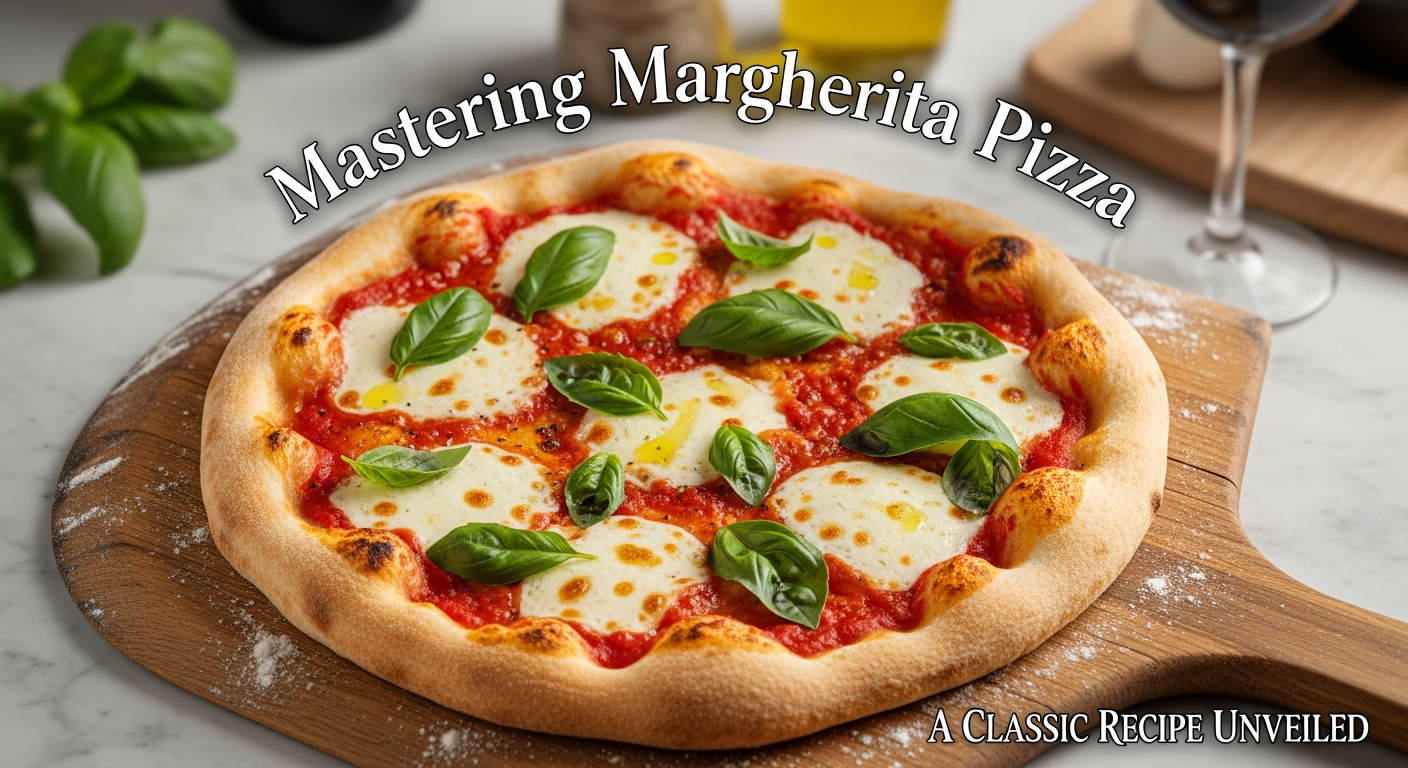
- Finishing touch: Remove from oven, drizzle with a little extra virgin olive oil, and garnish with a few more fresh basil leaves. Serve immediately for the best aroma and flavor.
Chef’s Tips for Mastering Margherita Pizza
- flour matters: Using 00 flour delivers the ideal balance of gluten strength and tenderness resulting in a crisp, yet chewy crust.
- Hydration level: Slightly wetter dough produces a lighter crust but may require careful handling to avoid sticking-flour your hands lightly.
- Mozzarella choice: Choose fresh mozzarella di bufala, and drain it well on paper towels beforehand so it doesn’t make the pizza soggy.
- Proofing time: Longer fermentation (up to 24 hours in the fridge) develops deeper flavor and a more complex texture.
- Oven temperature: A blistered crust is key to an authentic look and taste; use your oven’s highest setting and a baking stone if possible.
Serving Suggestions
present your margherita pizza on a rustic wooden board or a warm, white ceramic plate to highlight its vibrant colors. Add a light drizzle of extra virgin olive oil and a sprinkle of flaky sea salt just before serving for enhanced texture and flavor. Pair with a crisp glass of Italian white wine, such as a Pinot Grigio, and a simple arugula salad tossed in lemon vinaigrette.Don’t forget extra fresh basil leaves on hand for those who love an aromatic bite with each slice.

| Nutrient | Per Serving |
|---|---|
| Calories | 380 kcal |
| Protein | 18 g |
| Carbohydrates | 42 g |
| Fat | 14 g |
For exploring more about authentic Italian pizza techniques, visit Italian Food Forever. And don’t miss our article on Artisan Pizza Dough Tips to deepen your dough skills.
Q&A
Q&A: Mastering Margherita Pizza – A Classic Recipe Unveiled
Q1: What makes the Margherita pizza so iconic in the world of pizza?
A1: The margherita pizza is the very essence of simplicity and tradition. Its iconic status stems from a perfect harmony of fresh ingredients-vibrant tomatoes, creamy mozzarella, fragrant basil, and a golden, crispy crust.Legend has it that it was created in honor of Queen Margherita of Savoy, symbolizing the colors of the Italian flag. This timeless combination captures the spirit of italy in every bite.
Q2: What are the key ingredients that define a true Margherita pizza?
A2: To master the Margherita, you need just four star players: ripe San Marzano tomatoes or a quality tomato sauce, fresh buffalo mozzarella, fragrant fresh basil leaves, and high-quality extra virgin olive oil. The simplicity means each ingredient must be top-notch as there’s nowhere to hide!
Q3: Why is the dough so significant, and how do you perfect it?
A3: The dough is the canvas of your pizza masterpiece. A perfect Margherita dough is light,airy,with a slightly chewy crust that crisps beautifully in a hot oven. Balancing just flour, water, salt, and yeast with patience-allowing a slow fermentation-unleashes incredible depth of flavor and texture. The secret frequently enough lies in time and technique rather than fancy ingredients.
Q4: Can you share a pro tip for achieving that charred, wood-fired crust at home?
A4: Absolutely! While a traditional wood-fired oven is ideal, you can mimic that smoky char with a few kitchen hacks. Crank your oven to the highest temp and use a pizza stone or steel to replicate the intense heat. Preheat the stone for at least an hour. When baking, slide the pizza onto the hot stone and watch the magic of rapid, high-heat cooking create that perfect leopard-spotted crust.
Q5: How do you balance the toppings so the pizza doesn’t get soggy?
A5: Moisture is the enemy of a crisp crust. Use fresh mozzarella but consider draining it well or even tearing it into smaller pieces to allow even melting without pooling. Use only a thin smear of sauce rather than a heavy layer, and add the basil after baking to preserve its vibrancy and prevent wilting.This care keeps each slice deliciously structured.
Q6: What makes a homemade Margherita different from one bought at a pizzeria?
A6: Making Margherita pizza at home is a journey-a chance to connect with authentic flavors and techniques. Home ovens might lack the roaring heat of pizzerias, but you gain control over every element, from dough rising times to topping choices. the experience is personal, creative, and deeply satisfying. Plus, nothing beats pulling a golden, aromatic pizza from your own oven and sharing it fresh with loved ones.Q7: Can this recipe be adapted for dietary preferences?
A7: Certainly! For a dairy-free version, try vegan mozzarella alternatives made from cashews or coconut. Gluten-free dough options can be crafted with blends of rice flour, tapioca, and other gluten-free flours, though texture will vary.The essence remains: fresh, quality ingredients and patience in planning. Margherita pizza is universally adaptable without losing its soul.
Q8: Any final words of wisdom for aspiring pizza masters?
A8: Patience is your best friend. from kneading dough to the final bake, respect the process.Experiment with ingredient quality and timing, savor each step, and don’t be afraid to make mistakes. Each pizza you create is a delicious lesson steeped in tradition yet uniquely yours. Mastering Margherita isn’t just about following a recipe-it’s about embracing a timeless craft. Buon appetito!
The Conclusion
As the final slice is savored and the vibrant flavors of fresh basil, tangy tomato, and creamy mozzarella linger on your palate, you’ll realize that mastering the Margherita pizza is more than just following a recipe-it’s about embracing a timeless tradition. With each homemade pie, you connect to centuries of culinary heritage while crafting your own delicious story.So roll up your sleeves, trust in your dough, and let your oven work its magic.The art of Margherita is now in your hands-ready to be shared, enjoyed, and perfected slice by slice. Buon appetito!