
Every child deserves meals that not only fuel their bodies but also delight their senses and support their unique needs. For parents of autistic children, mealtime can be both a precious opportunity and a complex challenge-where textures, flavors, and routines intertwine in unexpected ways. ”Nourishing Choices: Creative Food Ideas for Your Autistic Child” is here to inspire thoughtful, imaginative approaches that honor your child’s preferences while introducing balanced nutrition. From vibrant smoothies that sneak in veggies to playful presentations that invite curiosity, this article explores a world of culinary possibilities designed to nurture growth, joy, and confidence around food. Let’s embark on a journey to transform mealtime into a celebration of nourishment and creativity tailored just for your child.
Nourishing choices are essential when crafting meals that both delight and nourish an autistic child, especially given the unique sensory preferences many experience. Balancing familiar textures with nutrient-dense ingredients can transform mealtime from a challenge into an opportunity for exploration and comfort. Today’s recipe embodies this balance, celebrating wholesome goodness with playful flavors and textures that respect sensitivities while encouraging variety.
Prep and Cook Time
Readiness: 15 minutes
Cooking: 25 minutes
Total: 40 minutes
Yield
4 servings
Difficulty Level
Easy to Medium – approachable for busy parents and caregivers seeking both nutrition and comfort.
colorful Veggie & Quinoa Power Bowls
This vibrant bowl is a perfect example of nourishing choices crafted into a familiar format-warm grains paired with texturally contrasting vegetables and protein-packed toppings. It showcases how to incorporate nutrient-rich ingredients in fun, engaging ways that account for sensory preferences without overwhelming the palate.
Ingredients
- 1 cup tri-color quinoa, rinsed and drained
- 2 cups low-sodium vegetable broth
- 1 medium carrot, julienned (thin matchsticks)
- 1/2 cup roasted sweet corn (fresh or frozen, thawed)
- 1/2 cup steamed broccoli florets, cut bite-sized
- 1 avocado, diced
- 1/4 cup pumpkin seeds, lightly toasted
- 1 tbsp olive oil
- 1 tsp lemon zest
- 1 tbsp fresh lemon juice
- 1 tsp honey or maple syrup (optional, for a touch of sweetness)
- Salt and pepper to taste
- Fresh parsley or cilantro, chopped for garnish
Instructions
- Cook the quinoa: In a medium saucepan, bring the vegetable broth to a boil. Add the rinsed quinoa, reduce heat to low, cover, and simmer for 15 minutes or until liquid is absorbed.Remove from heat and fluff with a fork.
- Prepare vegetables: While quinoa cooks, steam broccoli florets until bright green and just tender, about 4 minutes. Julienne carrots into thin, easy-to-chew strips. Roast pumpkin seeds in a dry pan over medium heat for 3-4 minutes until fragrant, stirring constantly.
- Assemble the dressing: Whisk together olive oil, lemon zest, lemon juice, and honey or maple syrup in a small bowl. Season lightly with salt and pepper.
- Combine and toss: In a large bowl, gently mix the cooked quinoa, steamed broccoli, carrot sticks, roasted corn, and diced avocado. Pour the dressing over, tossing gently to coat without mashing delicate ingredients.
- Plate and garnish: Serve in shallow bowls, sprinkle with toasted pumpkin seeds and chopped fresh parsley or cilantro for an inviting, colorful finish.
Tips for Success
- Address textural preferences: If crunchy textures are preferred or tolerated, keep carrots raw and add them last.Alternatively, steam carrots lightly for a softer bite.
- Customize toppings: Swap pumpkin seeds for sunflower seeds or chopped nuts if allergies or sensitivities exist.
- Make-ahead amiable: Quinoa can be cooked and stored in the fridge up to 3 days ahead. Vegetables and dressing should be added just before serving to maintain freshness.
- Flavour variations: Try adding a mild grated cheese like mozzarella or mild feta for creaminess that adds a familiar comfort layer.
Serving Suggestions
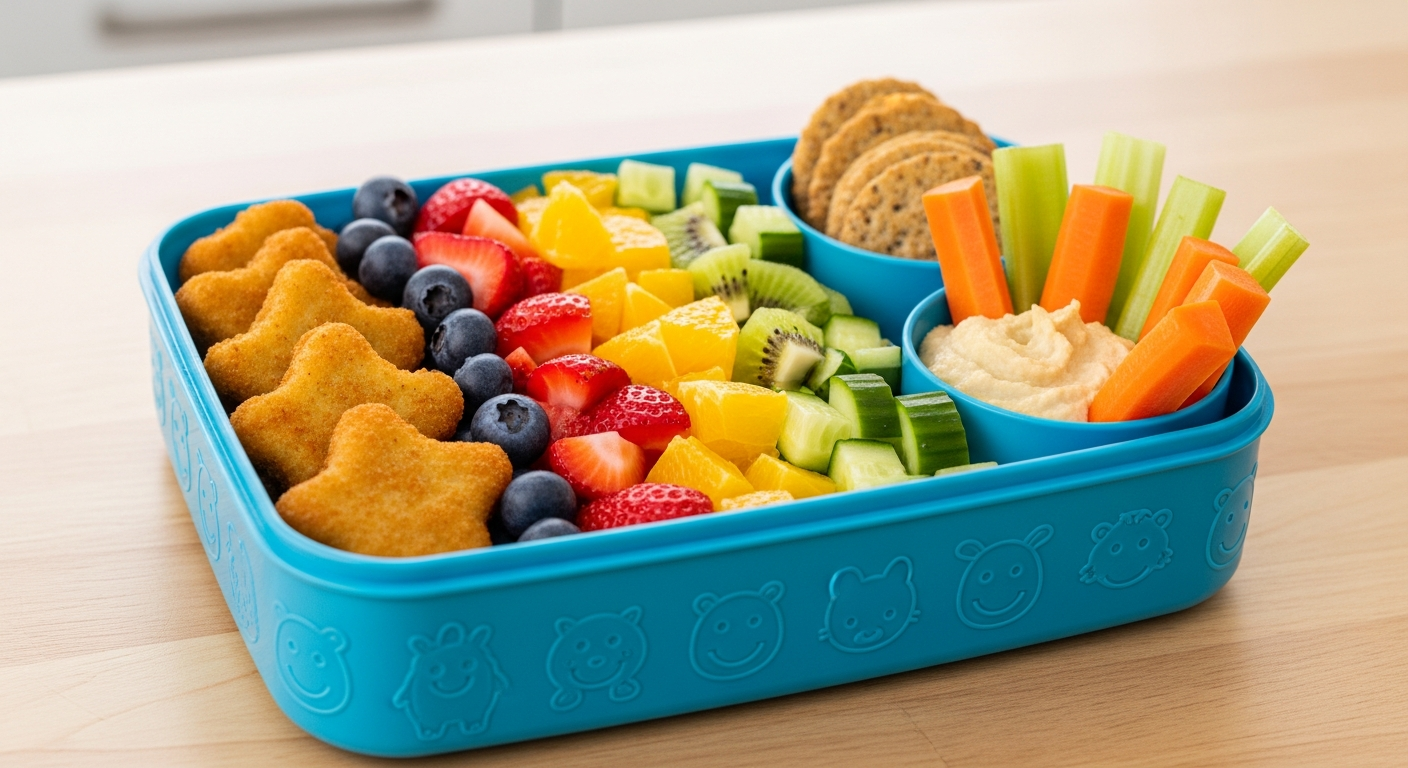
This nourishing bowl shines with simple garnishes that appeal visually and texturally: gentle swirls of creamy avocado contrast with bright green herbs and crunchy seeds. Serve alongside a small bowl of smooth hummus or mild yogurt dip to encourage dipping play, a tactile experience frequently enough appreciated.A side of soft pita bread or gluten-free crackers can round out the meal, adding another comforting element.
| Nutrient | Per Serving |
|---|---|
| Calories | 320 kcal |
| protein | 9 g |
| Carbohydrates | 45 g |
| Fat | 10 g |

For more inspiration on balanced meals that cater to individual needs, explore our Creative Snacks for Autistic Kids article.
To deepen your understanding of sensory food preferences and how to adapt meals, visit this expertly curated resource from the National Institute on Deafness and Other Interaction Disorders.
Q&A
Q&A: Nourishing Choices – Creative Food Ideas for Your Autistic Child
Q1: Why is focusing on nourishing choices important for children with autism?
A: Nutrition plays a vital role in supporting overall well-being,behaviour,and progress. Many autistic children experience sensory sensitivities or selective eating, so providing nourishing, appealing options helps ensure they receive essential nutrients while respecting their unique preferences.
Q2: How can parents creatively introduce new foods without overwhelming their child?
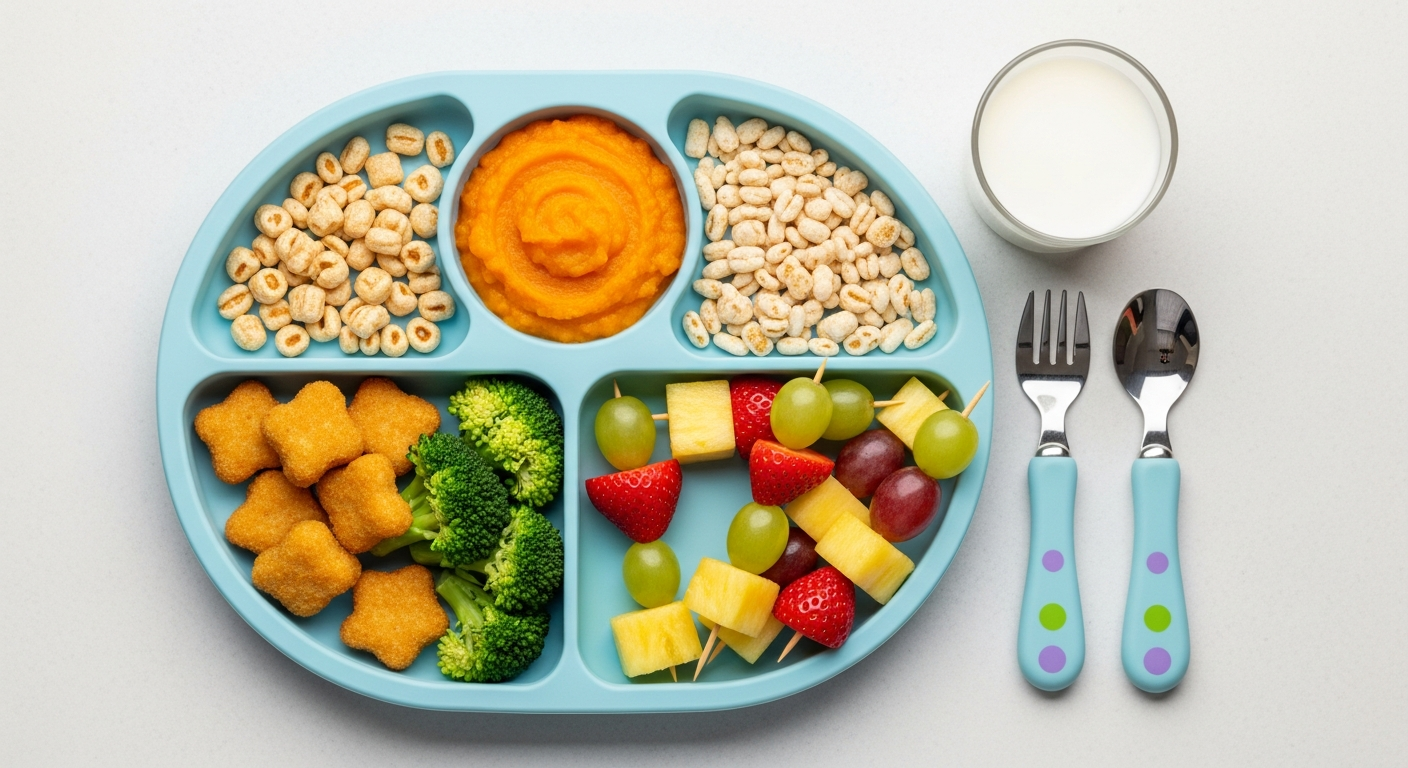
A: Creativity is key! Introduce new foods gradually and pair them with familiar favorites. Use fun shapes, vibrant colors, or engaging textures to spark curiosity. Such as, make “rainbow” fruit skewers or veggie faces on a plate-transforming meals into playful adventures invites gentle exploration.
Q3: Are there specific textures or flavors that work best for autistic children?
A: Each child is different. Some may prefer crunchy textures, while others seek smooth or soft foods. Observing your child’s reactions to textures (like crispy carrots vs. creamy mashed potatoes) can guide meal planning. Consider offering variations of the same food to find the preferred texture and bring variety.
Q4: What role can routine play in mealtime success?
A: Predictability can be comforting. Establishing a mealtime routine helps reduce anxiety and improve acceptance. Serve meals in consistent environments, at regular times, and try to introduce new foods during less stressful moments. Visual schedules or social stories about eating can also prepare your child for change.Q5: How can I make meals more engaging for a picky eater with autism?
A: Engage all senses! Involve your child in snack or meal prep-letting them stir, arrange, or even name dishes can empower and excite them. Play with temperatures, colors, and presentation. For example, cold smoothie bowls with colorful toppings or “build-your-own” wraps encourage autonomy and interest.
Q6: Are supplements necessary to fill nutritional gaps?
A: Supplements can be helpful but should not replace whole foods. Consult with a healthcare professional to assess your child’s nutritional status. A balanced diet rich in fruits, vegetables, whole grains, healthy fats, and protein remains the foundation, with supplements as complementary support when needed.
Q7: How do I handle sensory aversions during mealtime?
A: Sensory aversions are common and valid. Respect your child’s boundaries and avoid forcing foods,which can increase resistance. Rather, experiment with altering food temperatures, seasoning lightly, or changing how foods are prepared. Patience and gentle persistence, combined with creative presentations, often pave the way for progress.Q8: Can food be used as a positive communication tool?
A: Absolutely! Sharing meals can foster bonding and communication. Use mealtime conversations, stories about the food’s origin, or simple choices (“Would you like apple slices or banana today?”) to encourage interaction. Celebrating small successes in trying new foods reinforces positive experiences.
Q9: What are some easy, creative food ideas parents can try today?
A: Try thes simple ideas:
- Smoothie popsicles packed with fruits and leafy greens.
- “snack art” plates that combine favorite bites into fun shapes or scenes.
- Mini quesadillas filled with mild cheese and pureed veggies.
- DIY fruit and nut butter “sushi” rolls using thin fruit strips.
These ideas blend nutrition with playfulness, making mealtime a joyful journey.
Q10: Where can parents find more support and inspiration?
A: Connect with local nutritionists familiar with autism, join parent support groups, and explore online communities sharing recipes and strategies. Books and blogs dedicated to autism-friendly nutrition offer creative pathways tailored to your child’s needs,turning challenges into nourishing discoveries.
Nourishing choices are more than just food-they are invitations to explore, learn, and thrive. With creativity and compassion, mealtime becomes a vibrant canvas for growth and connection.
In Conclusion
As you continue to explore nourishing choices for your autistic child, remember that the journey is as unique as they are. Creativity in the kitchen isn’t just about the ingredients-it’s about weaving understanding, patience, and joy into every bite. By embracing their sensory preferences and encouraging adventurous palates, you’re not only fueling their bodies but also empowering their growth and happiness. Let these creative food ideas be a starting point-a colorful palette to inspire meals that celebrate individuality and nourish both heart and health.After all, the most meaningful nourishment comes from the love and care stirred into every dish.