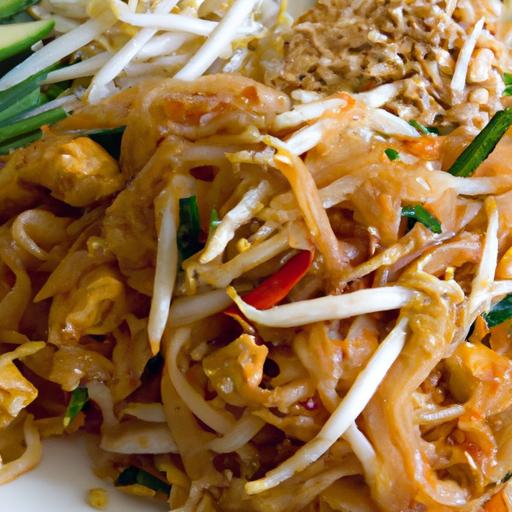

when hunger strikes and time is short,nothing hits the spot quite like a sizzling plate of Pad Thai-bold,vibrant,and bursting with flavors that dance on your tongue. But what if you could recreate this beloved Thai street food classic right in your own kitchen, without the fuss or the long ingredient lists? Welcome to “Swift & Tasty: Your Ultimate Easy Pad Thai Recipe Guide,” where simplicity meets authenticity. Whether you’re a seasoned home cook or a curious newcomer, this guide will take you step-by-step through an easy, delicious Pad Thai recipe that proves you don’t need to be a culinary expert to whip up a mouthwatering meal. Ready to make your taste buds sing? Let’s dive in!
Quick & Tasty Pad Thai Recipe Guide starts with understanding the soul of this beloved Thai street food, a perfect harmony of tangy, sweet, and savory flavors balanced around chewy, stir-fried rice noodles. Originating from thailand’s bustling markets, Pad Thai is more than just a dish-it’s a cultural experience that captures the essence of simple ingredients elevating each othre into an extraordinary meal. Whether you’re craving a quick weeknight dinner or aiming to impress guests at your next gathering, mastering this recipe will turn your kitchen into a vibrant Thai street food stall.
Prep and Cook Time
- Prep Time: 15 minutes
- Cook Time: 10 minutes
- Total Time: 25 minutes
Yield
Serves 3-4 hungry eaters
Difficulty Level
Easy – perfect for cooks of all levels
Essential Ingredients to Elevate Your Pad Thai flavor
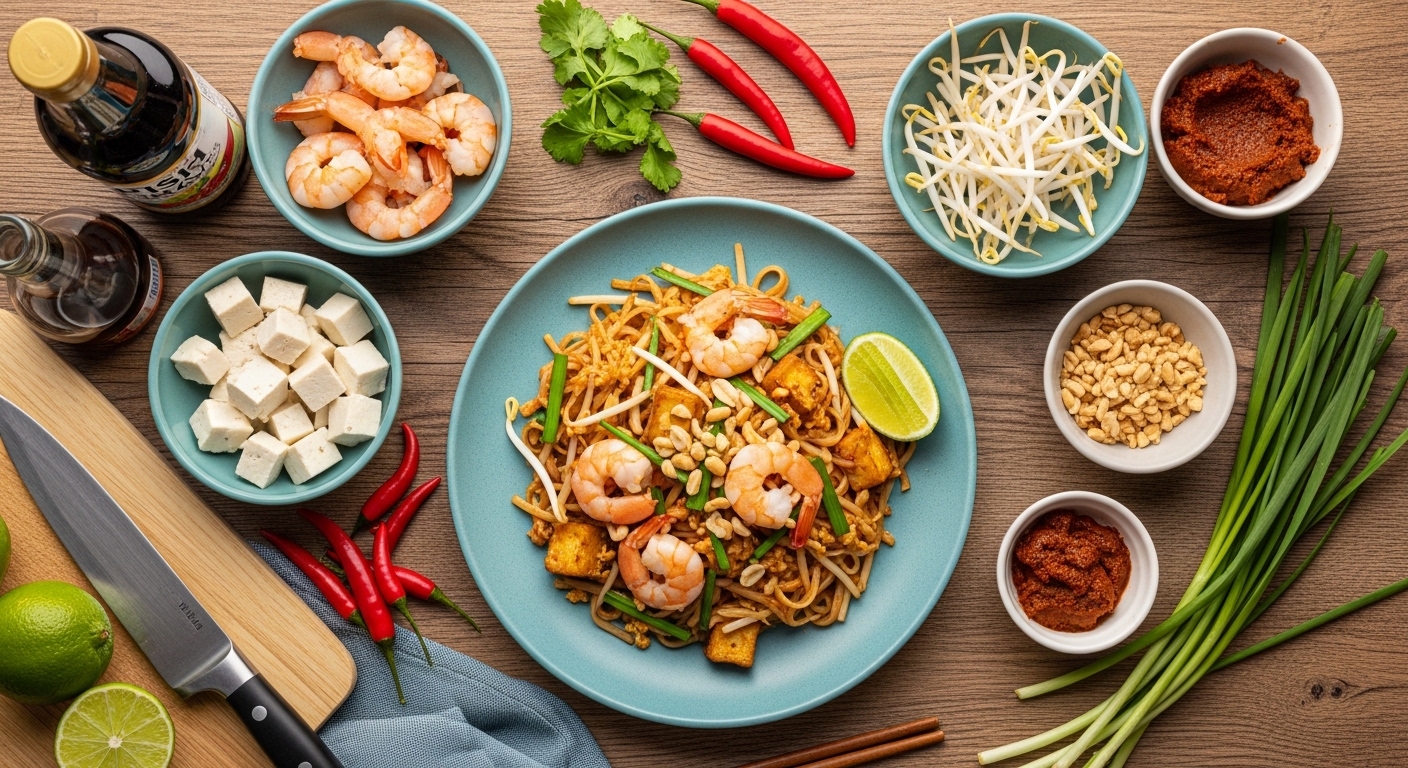
- 7 oz dried rice noodles (about 1/4 inch width)
- 2 tbsp tamarind paste (fresh or bottled for authentic tang)
- 3 tbsp fish sauce (or soy sauce for vegetarian alternative)
- 2 tbsp palm sugar (or light brown sugar)
- 3 cloves garlic, finely minced
- 2 large eggs
- 1/2 cup firm tofu, cubed (optional, for protein)
- 6 oz shrimp or chicken breast, thinly sliced
- 1 cup bean sprouts, rinsed and drained
- 3 green onions, chopped into 1-inch pieces
- 1/4 cup roasted peanuts, crushed
- 1 small red chili, thinly sliced (optional for heat)
- 2 tbsp vegetable oil or peanut oil
- Fresh lime wedges for garnish
- Fresh cilantro and dried chili flakes (optional garnish)
Step-by-Step Cooking Techniques for Perfect Noodles Every Time
- Prepare the noodles: Soak the dried rice noodles in warm water for about 20 minutes, or until pliable but not fully soft. Drain thoroughly to prevent sogginess during cooking.
- Create the sauce: In a small bowl, whisk together tamarind paste, fish sauce, and palm sugar until the sugar dissolves. This blend delivers Pad Thai’s signature sweet-savory punch.
- Cook proteins first: heat 1 tbsp oil over medium-high heat. Add shrimp or chicken, sauté until just cooked through-about 3 minutes. Remove and set aside to avoid overcooking.
- Sauté aromatics and tofu: In the same pan, add remaining oil and garlic. Sauté until fragrant, about 30 seconds, then toss in cubed tofu. cook until golden and crisp on edges.
- Cook the eggs: Push tofu and garlic to the side, crack eggs into the pan, scramble lightly until just set but still creamy.
- Toss noodles & sauce: Add the drained noodles to the pan and pour in the prepared sauce. Use tongs to gently toss and combine, cooking for 2-3 minutes until noodles are tender and glossy. Add cooked proteins back in.
- Final fresh touches: Stir in bean sprouts and green onions last for crispness. Cook 30 seconds more-just enough to warm without losing crunch.
Creative Twists to Customize your Pad Thai Experience
- Crave extra crunch? Add chopped water chestnuts or thinly sliced bell peppers.
- Love bold spice? Incorporate a spoonful of Thai chili paste or fresh diced bird’s eye chili.
- Vegetarian & vegan options: Sub fish sauce with tamari and swap eggs for scrambled tofu or omit altogether.
- Protein swaps: Try seared scallops, shredded duck, or leftover roast chicken.
- Noodle alternatives: Use zucchini ribbons or shirataki noodles for a low-carb twist.
Expert Tips for Quick Prep and Effortless Cleanup
- pre-soak noodles: Soak noodles early to cut down on active cooking time.
- Multi-task while cooking: Prep garnishes like peanuts, lime wedges, and herbs while noodles soften.
- use a wok or large non-stick skillet: Ensures even heat distribution and easier tossing of ingredients.
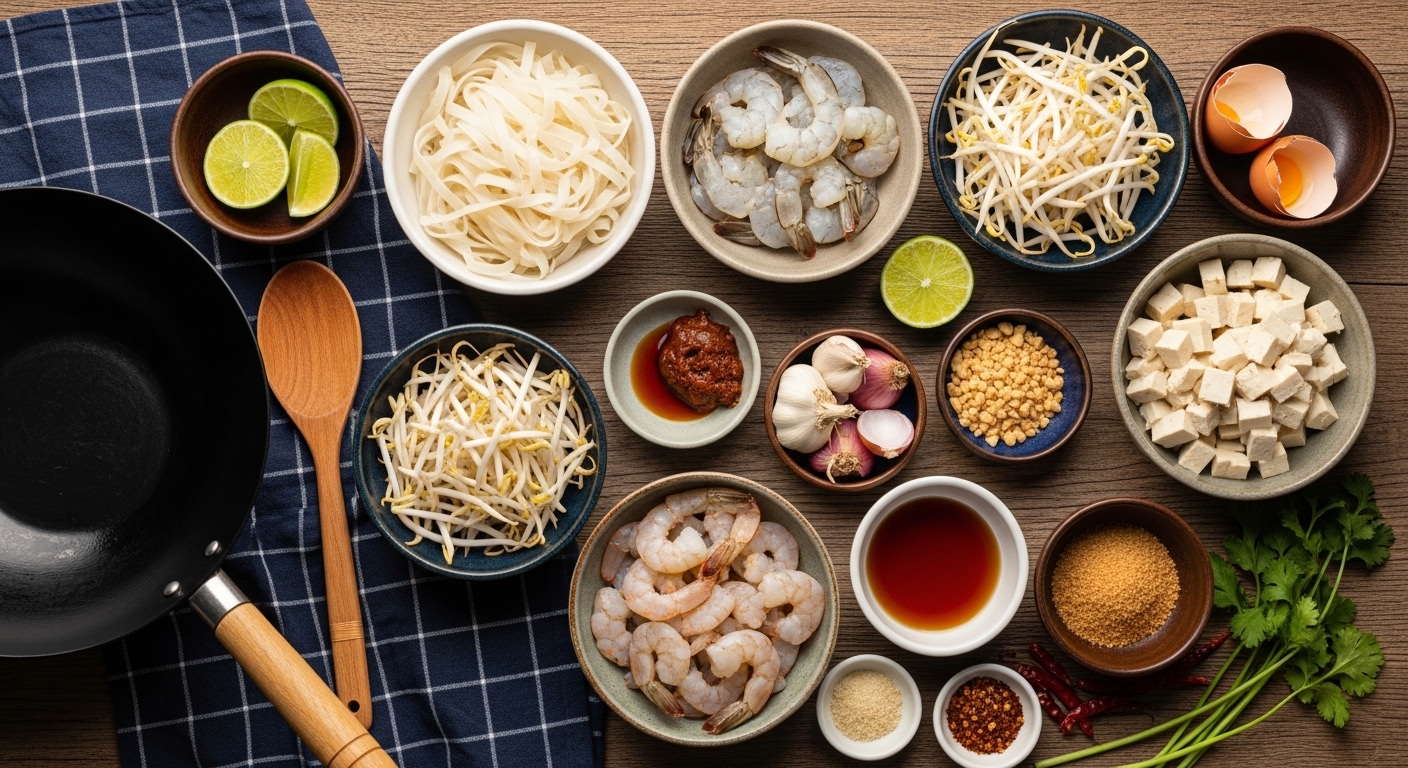
- Line prep bowls: Arrange all ingredients in small bowls before cooking to speed up your workflow.
- Cleanup hack: Soak your pan promptly after cooking with warm soapy water to dissolve residue effortlessly.
Instructions
- Soak 7 oz dried rice noodles in warm water for about 20 minutes until pliable; drain well.
- Whisk 2 tbsp tamarind paste, 3 tbsp fish sauce, and 2 tbsp palm sugar until sugar dissolves; set aside.
- Heat 1 tbsp oil on medium-high heat, cook shrimp or chicken for 3 minutes until done; remove.
- Add remaining oil and sauté 3 cloves minced garlic until fragrant; toss in cubed tofu and cook 3-4 minutes until edges crisp.
- Push tofu and garlic to side; crack and lightly scramble 2 eggs until creamy but set.
- Add noodles and sauce; toss gently for 2-3 minutes until noodles soften and are coated.
- Return protein to pan; toss in 1 cup bean sprouts and 3 chopped green onions for 30 seconds to warm.
- Serve with a sprinkle of crushed roasted peanuts, fresh lime wedges, cilantro, and optional chili flakes.
Chef’s Notes
- Tamarind taste too strong? Dilute with a splash of water or add extra sugar to balance acidity.
- No fish sauce on hand? Light soy sauce or coconut aminos make good substitutes.
- Make-ahead tip: Pre-soak noodles and mix sauce in advance; refrigerate for up to 24 hours.
- If noodles stick together: Toss with a teaspoon of oil before soaking and avoid over-soaking.
- For an authentic smoky flavor: Cook over high heat quickly, stirring constantly.
Serving Suggestions
Plate your pad Thai on large white dishes to show off the vibrant colors-golden noodles, ruby red chili slices, and emerald green onion shoots. Garnish with luminous lime wedges for a zesty squeeze and a handful of crushed peanuts for irresistible crunch. Pair with a crisp light lager or iced Thai tea to complete the experience. Fresh cilantro sprigs and a dusting of dried chili flakes invite extra aroma and gentle heat for those who dare.
| Nutrient | Per Serving |
|---|---|
| Calories | 420 kcal |
| Protein | 28 g |
| Carbohydrates | 42 g |
| Fat | 15 g |

For more Asian-inspired noodle recipes, check out our Easy Chow Mein Recipe. To learn about the health benefits and uses of tamarind paste, visit Healthline’s Tamarind Guide.
Q&A
Q&A: Quick & Tasty – Your Ultimate Easy Pad Thai Recipe Guide
Q1: What makes pad Thai such an iconic dish?
A: Pad Thai is more than just a noodle dish; it’s a harmonious blend of sweet, sour, salty, and umami flavors wrapped in a vibrant, colorful plate. Originating from Thailand,it’s beloved worldwide for its satisfying balance of textures-chewy rice noodles,crunchy peanuts,tender shrimp or tofu,and fresh bean sprouts-all tied together by a zesty tamarind-infused sauce.Q2: Can I make Pad Thai quickly without sacrificing flavor?
A: Absolutely! the secret to quick and tasty Pad Thai lies in prepping ingredients ahead, using store-bought tamarind paste, and mastering a hot wok or skillet for fast cooking. With a few time-saving tips, you can whip up a restaurant-quality Pad Thai in under 30 minutes, perfect for busy weeknights.
Q3: What are the essential ingredients for an easy Pad Thai recipe?
A: To keep it simple yet authentic,you’ll need rice noodles,tamarind paste or sauce,fish sauce (or soy sauce for a vegetarian twist),palm sugar or brown sugar,garlic,eggs,peanuts,lime,and your choice of protein-shrimp,chicken,tofu,or just veggies. Fresh bean sprouts and green onions add brightness at the end.
Q4: How do I achieve the perfect sauce balance quickly?
A: Balancing Pad Thai sauce is like tuning a musical instrument-sweet, sour, salty, and umami must sing together. A quick formula: combine tamarind paste, fish sauce (or soy sauce), palm sugar, and a splash of lime juice. Taste as you go! Adjusting these components to your liking is key, and once you find your sweet spot, it’ll be your go-to every time.
Q5: Is Pad Thai suitable for special diets or preferences?
A: definitely! Pad Thai is incredibly versatile. Swap fish sauce for soy sauce or tamari to make it vegetarian or vegan. replace shrimp with tofu or extra veggies for a plant-based version. Use gluten-free tamari and rice noodles to accommodate gluten sensitivities.The beauty of Pad Thai lies in its adaptability.
Q6: What’s the best way to reheat leftovers without losing flavor or texture?
A: For perfectly reheated Pad Thai, avoid the microwave which can make noodles soggy. Rather, toss leftovers in a hot skillet or wok with a splash of water or oil, stirring quickly to warm through and revive that lovely texture. Fresh peanuts and lime squeezed over top before serving refresh each bite.
Q7: Any insider tips for elevating my homemade Pad Thai?
A: A few chef secrets: toast your peanuts for added crunch, cook noodles to just-before-soft for ideal chew, and don’t skip the char on your protein or eggs-those caramelized edges add depth. Finish with fresh herbs like cilantro or Thai basil for an extra flavor punch. A drizzle of chili flakes or sliced bird’s eye chilies can add an exciting kick if you like heat.
With this quick and tasty Pad Thai guide, you’ll turn simple pantry staples into an extraordinary, crowd-pleasing meal that’s as easy to make as it is delicious. Get ready to impress your taste buds and your guests!
To Conclude
With these simple steps and flavorful ingredients,whipping up a delicious Pad Thai has never been easier-or more satisfying. Whether you’re a seasoned home cook or just beginning your culinary journey, this quick and tasty recipe guide transforms a classic Thai favorite into your go-to meal for any night of the week. So grab your wok, gather your ingredients, and let the vibrant flavors of Pad Thai bring a burst of excitement to your kitchen. Your next delicious adventure awaits!