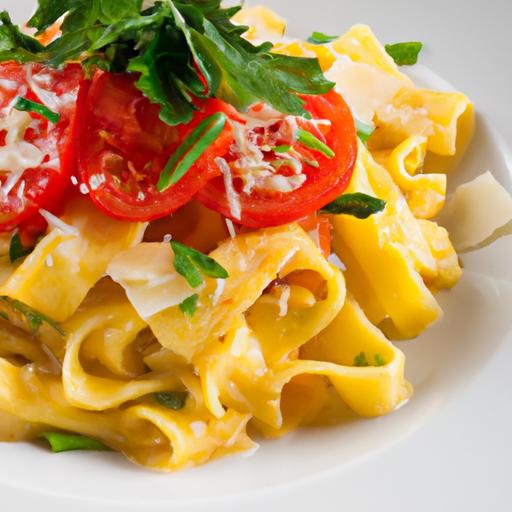

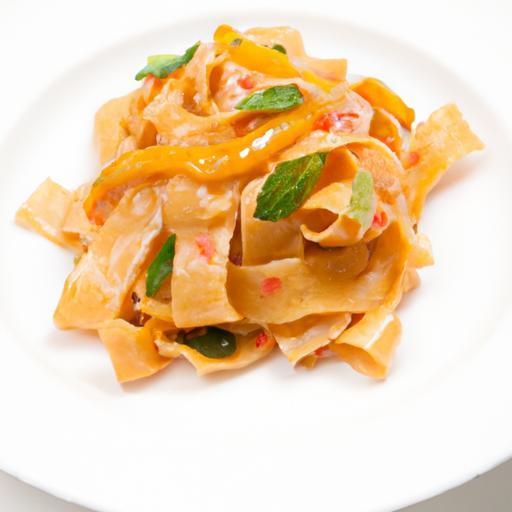
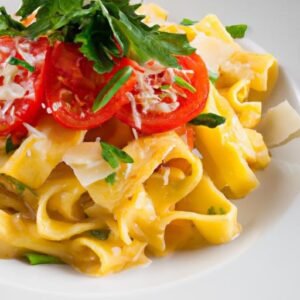
 Stretching wide like sun-soaked fields in the Tuscan countryside, pappardella-Italy’s broad, ribbon-like pasta-invites both curiosity and craving. Often overshadowed by its narrower cousins, this broad pasta holds a special place in Italy’s rich culinary tapestry, pairing effortlessly with hearty sauces and rustic ingredients. In “pappardella Unveiled: Italy’s Broad Pasta Delight Explored,” we journey beyond the familiar strands of spaghetti and linguine to discover the history, textures, and flavors that make pappardella a beloved staple from region to region. Whether twirled around a fork or scooped up with a luscious ragù, pappardella offers a deliciously bold way to experience Italy’s enduring passion for pasta.Pappardella
Pappardella unveils itself as one of Italy’s most beloved wide ribbon pastas, celebrated for its rustic charm and hearty character. Originating from Tuscany, this broad, flat noodle carries centuries of tradition, evoking the rich culinary heritage of Italian country kitchens. Its generous width allows bold sauces to cling perfectly,creating a symphony of texture and flavor that sets it apart from more delicate pasta varieties.Pappardella
Origins and Traditions Behind Pappardella’s Wide Ribbon
Pappardella was born in the rolling hills of Tuscany,where slow-cooked game sauces like cinghiale (wild boar) have been paired with its wide ribbons for generations. The name “pappardella” derives from the Italian verb pappare, meaning “to gobble up,” a nod to the pasta’s hearty nature and satisfying bite. Traditionally handmade with simple ingredients-flour and eggs-its broad shape makes it ideal for robust sauces rich in meats, mushrooms, or truffles. This pasta’s tactile broadness invites both rustic meals and elegant presentations, bridging the gap between humble village cooking and refined Italian dining.Pappardella
Texture and Taste: What Sets Pappardella Apart from Other Pastas
the unique texture of pappardella lies in its substantial width, typically ¾ to 1 inch, which offers a chewy, substantial mouthfeel while still delivering tender bite. Unlike thinner pastas such as linguine or fettuccine, the wide ribbons create a fantastic contrast when coated in thick ragùs or creamy sauces, allowing every strand to soak up complex flavors without becoming overwhelmed.Pappardella
Thanks to its egg-enriched dough, pappardella has a slightly rich, buttery flavor that enhances its versatility. When cooked al dente, it delivers a satisfying bite that complements intensely flavored accompaniments, setting it apart visually and sensorially from other pasta types.
Perfect Pairings: Choosing Sauces and Ingredients to Elevate Pappardella
Wide ribbons thrive when paired with luscious, hearty sauces that cling to each strand. Classic matches include:
- Wild boar ragù – a traditional Tuscan favorite with slow-cooked game richness
- Mushroom cream sauce – earthy,creamy,with hints of garlic and fresh thyme
- Tomato-based beef ragù – slow-simmered for deep umami depths
- Butter and sage – a simple yet flavorful coat that highlights the pasta’s eggy richness
- Truffle oil or shaved black truffles – for an indulgent,aromatic lift
Adding fresh herbs like rosemary or parsley and garnishing with grated Pecorino Romano or Parmesan cheese elevate the plate both visually and taste-wise.
Cooking Tips and Serving Suggestions for Authentic Italian Enjoyment
To cook pappardella to perfection, use a large pot of generously salted water, aiming to cook the pasta until just al dente-this usually takes 3-5 minutes for fresh pappardella and slightly longer for dried varieties. Salt the water well as this deeply influences the pasta’s flavor foundation.
When combining pappardella with sauce, reserve some pasta water to adjust texture and help the sauce cling luxuriously to each ribbon. Toss the cooked pasta gently but thoroughly with the sauce in a large sauté pan to achieve an even coating.
Serve the dish hot on wide, shallow plates to showcase the broad pasta ribbons. Garnish with a drizzle of extra virgin olive oil, a sprinkle of freshly cracked black pepper, and finishing herbs to heighten aroma and freshness.
Prep and cook Time
- Prep: 15 minutes
- Cook: 5-8 minutes (depending on fresh or dried)
- Total: 20-25 minutes
Yield
- Serves 4 generously
Difficulty Level
- medium – ideal for cooks ready to embrace fresh pasta handling and sauce balancing
ingredients
- 2 cups all-purpose flour, sifted
- 3 large eggs, room temperature
- 1 tbsp olive oil (optional)
- 1 tsp salt
- Your choice of sauce (e.g., wild boar ragù, mushroom cream sauce)
- Fresh herbs (such as rosemary, parsley) for garnish
- Grated Pecorino romano or Parmesan cheese for serving
Instructions
- Prepare the dough: On a clean surface, mound the flour with salt and create a well in the center.Crack the eggs into the well and add olive oil if using. Gradually whisk the eggs with a fork, incorporating flour edges until a shaggy dough forms.
- Knead the dough: Use your hands to gather and knead the dough for 8-10 minutes until smooth and elastic.Wrap in plastic wrap and rest for 30 minutes at room temperature to relax the gluten.
- Roll and cut: divide the dough into 2 portions.Roll each portion out with a pasta machine or rolling pin into thin sheets (about 1-2 mm). Using a sharp knife or pasta cutter, slice into ¾ to 1-inch wide ribbons.
- Cook the pasta: Bring a large pot of salted water to a rolling boil. Add fresh pappardella and cook 3-5 minutes or until al dente. For dried, follow package instructions, usually 7-9 minutes.
- Drain and toss with sauce: Reserve ½ cup of pasta water before draining. Combine pasta and chosen sauce in a warm skillet, adding reserved water incrementally to create a glossy finish and ensure even sauce distribution.
- Plate and garnish: Serve on wide, shallow bowls. Finish with grated cheese, fresh herbs, and a drizzle of high-quality olive oil for that authentic italian touch.
Chef’s Notes
- Make-ahead tip: Pappardella pasta dough can be refrigerated for up to 24 hours; bring to room temperature before rolling.
- Substitutions: For a healthier twist, swap all-purpose flour with a blend of whole wheat and all-purpose flour.
- Common troubleshooting: If dough feels sticky, dust with flour sparingly. If too dry, add water a teaspoon at a time to avoid tough texture.
- Variation: Incorporate finely chopped herbs or spinach into the dough for a subtle color and flavor boost.
Serving Suggestions
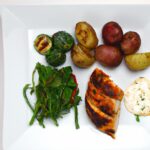
Pair this dish with a robust Chianti or a crisp white Vermentino to complement the sauce’s depth. Serve alongside rustic grilled vegetables or a simple arugula salad tossed with lemon and olive oil. For a true Tuscan-inspired table, add warm, crusty bread to soak up any leftover sauce, ensuring every bite of pappardella is savored.
| Nutritional Info (per serving) | Calories | Protein | Carbs | Fat |
|---|---|---|---|---|
| Fresh Pappardella (uncooked dough) | 320 | 12g | 60g | 4g |
| Wild Boar Ragù (1/2 cup) | 180 | 15g | 8g | 9g |
| Total per serving | 500 | 27g | 68g | 13g |

Explore more pasta craftsmanship tips in our detailed fresh pasta guide, and for an in-depth history of Italian culinary traditions, visit Encyclopedia Britannica’s pasta entry.
Q&A
Q&A: Pappardella Unveiled – Italy’s Broad pasta Delight Explored
Q1: What exactly is Pappardella?
A1: Pappardella (plural: pappardelle) is a luscious,broad ribbon-like pasta that hails from the heart of Italy. Picture long, flat noodles as wide as a person’s finger, made traditionally from simple ingredients-flour and eggs-crafted to capture sauces in every fold.
Q2: How did Pappardella get its name?
A2: The name “pappardella” is said to come from the Tuscan word pappare, meaning “to gobble up” or “to eat with gusto.” It perfectly reflects the pasta’s hearty nature, inviting food lovers to dive in and savor every bite with enthusiasm.
Q3: what sets Pappardella apart from other pasta shapes?
A3: Unlike thin strands like spaghetti or ribbons like tagliatelle, pappardelle’s broad surface area lets it hold onto rich, chunky sauces-think robust ragùs or earthy mushroom blends. This wide canvas also makes it a versatile hero,pairing brilliantly with game meats or creamy cheeses.
Q4: Where in Italy does Pappardella originate?
A4: Tuscany proudly claims pappardelle as its own,though variations can be found throughout central Italy. The region’s rustic cuisine, often featuring wild boar and game, pairs flawlessly with this broad pasta, turning simple ingredients into memorable feasts.
Q5: What sauces or dishes best complement Pappardella?
A5: Slow-cooked ragùs, especially wild boar or hearty beef, have earned legendary status alongside pappardelle. Additionally, creamy porcini mushroom sauces, fresh tomato and basil concoctions, or even butter and sage elevate this pasta’s rustic charm.
Q6: How can someone make authentic Pappardella at home?
A6: Start with a basic dough of flour and eggs, knead until silky, then roll it out thinly. Using a sharp knife or pasta cutter, slice the dough into wide strips-approximately 3/4 to 1 inch across. Cook gently in boiling salted water until al dente (typically 2-3 minutes), then toss with your chosen sauce.
Q7: Is Pappardella gluten-free or adaptable for dietary preferences?
A7: Traditional pappardelle contains wheat flour and eggs, so it’s not gluten-free or vegan by nature.Though, adventurous cooks have crafted versions using gluten-free flours and egg substitutes, maintaining that signature broad, flat shape to honor the original’s spirit.
Q8: Why has Pappardella endured as an Italian culinary treasure?
A8: Pappardella’s appeal lies in its simplicity and adaptability. It acts as a blank yet beautiful canvas for bold flavors and hearty ingredients, embodying the Italian ethos of celebrating quality, tradition, and the joy of shared meals. It’s a pasta that invites both rustic comfort and creative flourish-truly an enduring delight on the Italian table.
Whether you’re a pasta aficionado or a curious gastronome, pappardelle offers a taste of Italy’s soul in every tender, wide ribbon. Ready to pappardare? (That’s “to gobble up” in Italian!)
In Summary
As the ribbons of pappardella gently embrace rich ragùs and earthy mushrooms, they tell a story far beyond mere sustenance – a tale of Italy’s regional heritage, culinary artistry, and the simple joy of sharing a meal. Whether twirled on a fork in a bustling Tuscan trattoria or crafted lovingly at home, pappardella invites us to savor tradition in every hearty bite. So next time you seek to explore Italy’s pasta palette, let this broad, humble noodle be your flavorful gateway to flavors both timeless and unforgettable. Buon appetito!