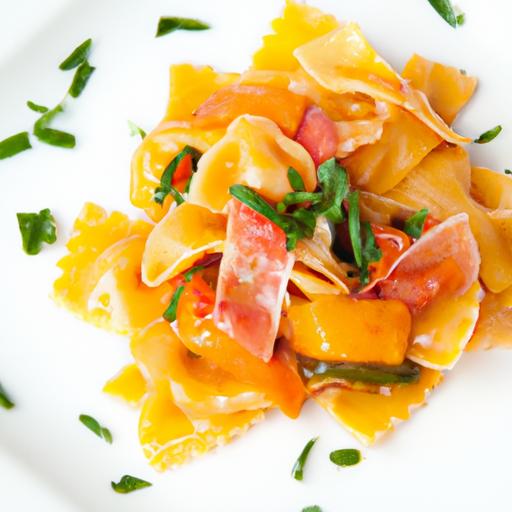

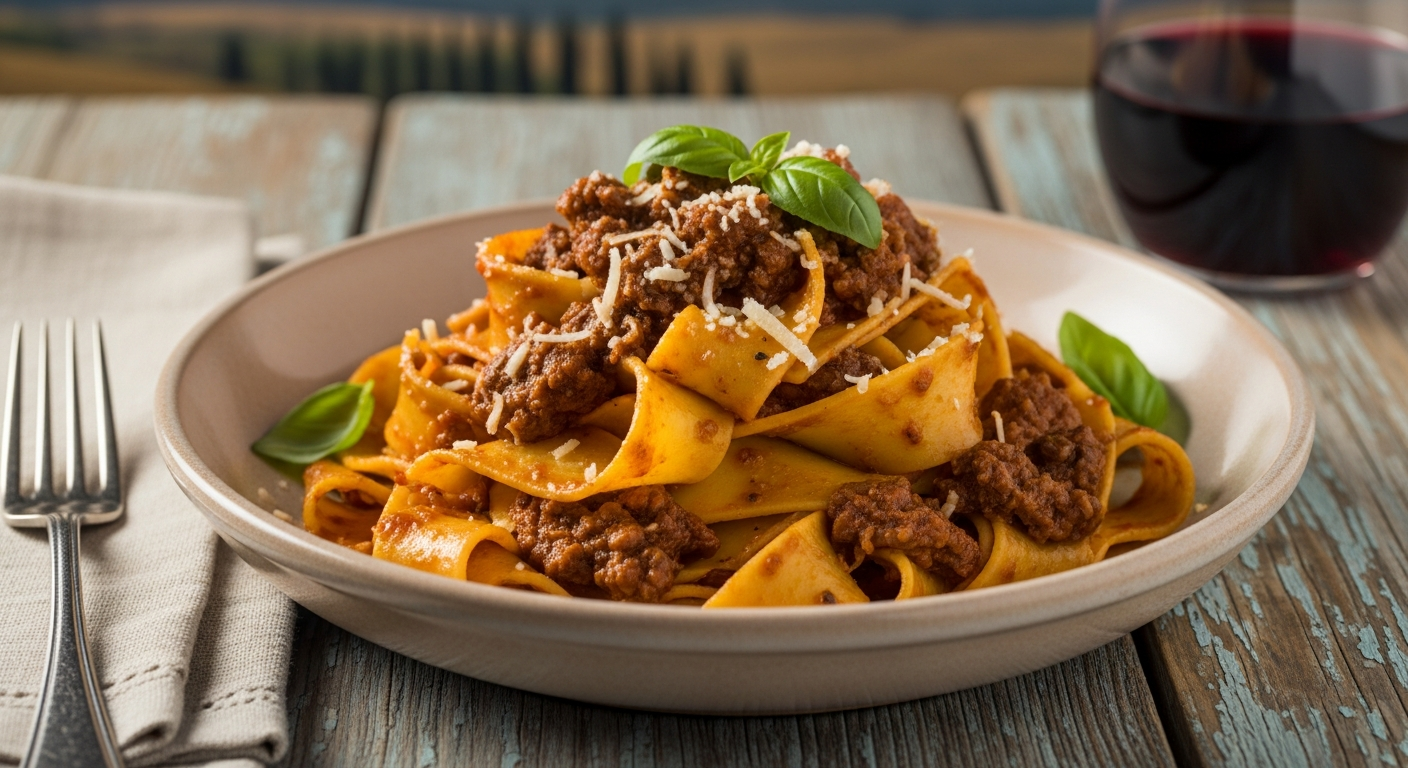
in the vibrant tapestry of Italian cuisine, few pasta shapes evoke as much rustic charm and culinary versatility as pappardelle. Wide, ribbon-like, and irresistibly tender, pappardelle is more than just a type of pasta-it’s a celebration of Italy’s rich regional traditions and hearty flavors. From the rolling hills of Tuscany to modern gourmet kitchens around the world, this broad noodle has captured the palates of food lovers seeking comfort and elegance in every bite. Join us as we unravel the story behind pappardelle, exploring its origins, unique characteristics, and the mouthwatering dishes that have made it a beloved staple on tables both humble and haute.
Pappardelle Passion: Exploring Italy’s Broad Ribbon Pasta
Pappardelle passion runs deep in the rich culinary tradition of Italy, where this broad ribbon pasta has long been cherished for its rustic charm and ability to cradle hearty, bold sauces. Originating from Tuscany,pappardelle’s wide,flat shape was designed to capture the essence of slow-cooked game ragùs and sumptuous mushroom reductions. Learning to make perfectly tender pappardelle at home unlocks a world of authentic flavors and textures, replacing store-bought versions with fresh, satisfying ribbons that melt on the palate. Whether you’re a pasta enthusiast or a curious home cook, embracing this dish is an invitation to celebrate Italy’s soulful, regional cuisine thru hands-on craft and vibrant ingredients.
Prep and Cook Time
- Preparation: 30 minutes
- Resting time: 30 minutes
- Cooking time: 3-5 minutes
- Total time: Approximately 1 hour 5 minutes
Yield
Serves 4 generous portions
Difficulty Level
Medium – requires basic dough handling and rolling skills
Ingredients
- 2 cups all-purpose flour, sifted, plus extra for dusting
- 3 large fresh egg yolks
- 1 whole large egg
- 1 tablespoon extra virgin olive oil
- 1/2 teaspoon fine sea salt
- Water as needed (start with 1 tbsp, adjust as dough forms)
Instructions
- Create a mound of sifted flour on a clean work surface. Make a well in the center and gently crack in the egg yolks and whole egg.
- Drizzle the olive oil and sprinkle the salt into the well. Start whisking the eggs with a fork, slowly incorporating flour from the edges.
- Knead the dough by hand once the eggs and flour begin to bind, adding water a teaspoon at a time if it feels dry. Knead for about 10 minutes until the dough is smooth and elastic.
- Wrap the dough in cling film and let it rest at room temperature for at least 30 minutes. This relaxes the gluten for easier rolling.
- Divide the rested dough into four equal portions and roll each one out using a pasta machine or rolling pin. Aim for about 1/16-inch thickness for tender yet firm pappardelle.
- Lightly dust with flour and cut into broad strips roughly ¾-inch wide. Lay strips flat or loosely coil them to prevent sticking.
- Bring a large pot of salted water to a rolling boil. Cook pappardelle in batches for 3-5 minutes or until they float to the surface and feel tender, yet al dente.
- Drain carefully and toss promptly with your chosen sauce, ensuring the broad ribbons soak up every bit of flavor.
Tips for Success
- Flour choice: Mix semolina with all-purpose flour for added bite and texture.
- Resting time: Don’t skip resting-the dough becomes far easier to roll without tearing.
- Rolling: If rolling by hand, try to get the dough as thin as possible while maintaining structural integrity.
- Make-ahead: Fresh pappardelle can be lightly dusted and refrigerated for up to 24 hours or frozen for up to 1 month; cook without thawing for best results.
- Common issue: If dough is sticky, add flour sparingly to avoid toughness; if dry, add tiny drops of water sparingly.
Serving Suggestions
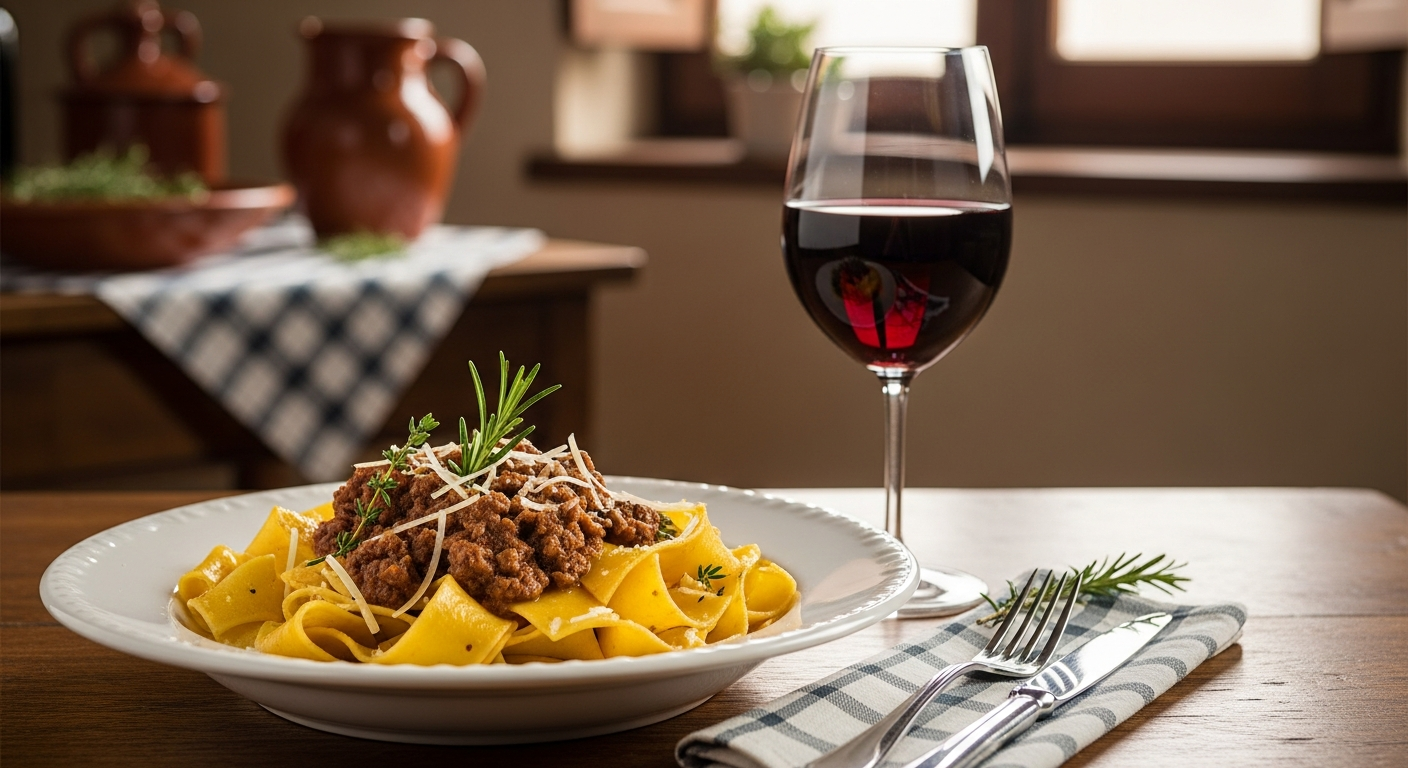
Pair your fresh pappardelle with rich sauces that honor its heritage. Classic Tuscan wild boar ragù or creamy mushroom sauce with garlic and fresh herbs complement the broad ribbons beautifully. Finish with a generous grating of Parmigiano-Reggiano and a drizzle of high-quality extra virgin olive oil. Garnish with a sprinkle of chopped fresh flat-leaf parsley or sage leaves crisped in butter for aroma and color.
| Nutrient | Per Serving |
|---|---|
| Calories | 350 kcal |
| Protein | 13 g |
| Carbohydrates | 50 g |
| Fat | 7 g |

Q&A
Q&A: Pappardelle Passion – Exploring Italy’s Broad Ribbon Pasta
Q: What exactly is pappardelle,and how does it differ from other pasta types?
A: Pappardelle is Italy’s luscious broad ribbon pasta,typically about ¾ to 1 inch wide. Unlike slender strands like spaghetti or delicate shapes like farfalle,pappardelle’s wide flat ribbons provide a generous surface area,perfect for capturing rich,hearty sauces. Think of it as the velvet ribbon in pasta’s wardrobe-bold, expressive, and ready to hold big flavors.
Q: Where does pappardelle originate, and does its name have a special meaning?
A: Pappardelle hails from Tuscany, a region famed for its rustic yet complex cuisine. The name “pappardelle” derives from the Italian verb pappare, meaning “to gobble up,” which wonderfully captures the pasta’s hearty nature and the eager appetite it inspires.
Q: What makes pappardelle ideal for certain dishes?
A: Its broad, flat shape is like a flavor sponge-perfect for thick, meaty ragùs, game sauces, or creamy mushroom blends. The ribbons’ wide surface holds sauces in a way that thinner pastas simply can’t, making every bite a luxurious mouthful of texture and taste.
Q: How is pappardelle traditionally made?
A: traditionally, pappardelle is crafted from a simple dough of flour and eggs, rolled out thin, then sliced into wide ribbons. Handmade pasta frequently enough offers a rustic, slightly irregular texture, ideal for catching sauce. In Tuscany, you might find it made with a touch of water instead of eggs, highlighting regional nuances.
Q: Can you suggest some classic dishes starring pappardelle?
A: Absolutely! The quintessential dish is Pappardelle al Cinghiale-pappardelle with wild boar ragù, a Tuscan masterpiece. other favorites include pappardelle with rich porcini mushroom sauce, or a creamy panna and peas duo. each recipe celebrates pappardelle’s ability to marry bold, earthy flavors with its generous form.
Q: Is pappardelle versatile beyond traditional pairings?
A: Definitely. think beyond tradition! Pappardelle can elegantly support spring vegetable medleys, seafood sauces, or even light lemon-butter dressings. Its broad ribbons invite creative culinary play, from the rustic kitchen to contemporary plates.
Q: How should pappardelle be cooked to maintain the perfect bite?
A: Like all fresh pasta, pappardelle enjoys a brief, lively boil-generally 2 to 4 minutes for fresh, longer for dried types. The goal? Al dente: tender yet firm enough to stand up to robust saucing without turning mushy.Q: any tips for serving and enjoying pappardelle at home?
A: Keep it simple yet intentional: cook pasta just before serving, toss promptly in sauce to ensure every ribbon is cloaked, and finish with a sprinkle of fresh herbs or parmigiano-reggiano. pair with a bold Tuscan red wine, and you’re transporting tastebuds straight to an Italian trattoria.
Q: Where can one find high-quality pappardelle outside Italy?
A: Many artisanal pasta makers worldwide craft authentic pappardelle-seek brands emphasizing traditional methods and quality ingredients. Farmers markets and specialty Italian delis often carry fresh varieties that elevate the homemade pasta experience.
Q: Why should peopel fall in love with pappardelle?
A: Because pappardelle is pasta poetry-a celebration of indulgence and simplicity interwoven. It invites slow savoring, hearty conversation, and the warmth of Italy’s culinary soul. Once you experience its broad ribbons embracing bold sauces, you realize why pappardelle isn’t just pasta-it’s passion you can taste.
Key Takeaways
As the ribbons of pappardelle gracefully twirl through Italy’s rich culinary tapestry, they remind us that pasta is far more than just a meal-it’s a story steeped in tradition, technique, and taste. From the rolling hills of Tuscany to your own kitchen table, this broad ribbon pasta invites both seasoned chefs and curious food lovers to celebrate simplicity elevated by passion. so next time you hear the name “pappardelle,” think beyond its shape and ribbon it with flavorful sauces, hearty ragùs, and the joy of exploring Italy’s vast pasta heritage-one delicious bite at a time.