
There’s something undeniably mesmerizing about the simple elegance of pappardelle pasta-broad, ribboned strands that unfurl like silky tapestries on a plate, inviting both the eyes and the palate on a journey through Italy’s rich culinary heritage. More than just a type of pasta, pappardelle embodies centuries of tradition, regional artistry, and the joyful party of rustic flavors. From the sun-drenched hills of Tuscany to bustling trattorias, these wide ribbons capture sauces with a comforting embrace, telling stories of harvests, hearths, and home-cooked meals. Join us as we delve into the origins, craftsmanship, and irresistible allure of pappardelle pasta-the ribboned delight that continues to weave its magic through Italian kitchens and beyond.
Pappardelle Pasta: Ribboned Delights of Italian Tradition
Pappardelle pasta, with its sweeping, broad ribbons, is a quintessential expression of Italian culinary artistry. This luxurious pasta, often handmade, captures the rustic spirit of Tuscany and Emilia-Romagna, evoking memories of hearty family meals and the rich, rolling countryside where it was born. Each wide ribbon is designed to cradle robust sauces, making it a canvas for vibrant flavors and textures that celebrate tradition and innovation alike.
Prep and Cook time
- Readiness: 30 minutes
- Resting: 30 minutes
- Cooking: 3-5 minutes
- Total: 1 hour 5 minutes
Yield
Serves 4 generous portions
Difficulty Level
Medium – Ideal for those familiar with basic pasta making and eager to refine dough-handling skills.
Ingredients
- 2 cups all-purpose flour, sifted
- 1 cup semolina flour
- 3 large eggs, at room temperature
- 1 tablespoon extra virgin olive oil
- 1/2 teaspoon fine sea salt
- Extra flour for dusting
Instructions
- Prepare the dough: Place the sifted all-purpose and semolina flours on a clean work surface. Form a well in the center, crack the eggs into it, and add the sea salt and olive oil.
- Incorporate the ingredients: Using a fork, gently whisk the eggs, gradually drawing flour from the edges into the liquid until a shaggy dough begins to form.
- Knead until smooth: With floured hands, knead vigorously for about 10 minutes until the dough is elastic and smooth. Wrap tightly in plastic wrap and rest for 30 minutes at room temperature to allow gluten to relax.
- Roll out the dough: using a pasta machine or rolling pin, roll the dough into thin sheets about 1/16 inch thick.Lightly dust with flour to prevent sticking.
- Shape the pappardelle: Fold the sheet gently and slice into ribbons approximately 3/4-1 inch wide. Unfold and lay them in loose nests on a floured surface or hang on a drying rack.
- Cook the pasta: Bring a large pot of salted water to a rolling boil. Drop in pappardelle and cook for 3-5 minutes until al dente.Fresh pasta cooks quickly-watch closely!
- Drain and serve: Reserve a cup of pasta water before draining. Toss the pappardelle with your choice of sauce, adding pasta water gradually to achieve perfect silkiness and coat the ribbons evenly.
Tips for Success
- Flour balances: the semolina adds a gritty texture and firmness, balancing the softness of all-purpose flour.
- Dough hydration: If the dough feels dry, add water a teaspoon at a time; if too sticky, dust with flour carefully.
- Resting matters: Allowing the dough to rest is key to rolling out thin sheets without tearing.
- Cutting ribbons: Use a sharp knife or a pasta cutter for clean edges; uniform width ensures even cooking.
- Make ahead: Fresh pappardelle can be dried on racks and stored for up to 24 hours or frozen between parchment sheets.
Serving Suggestions
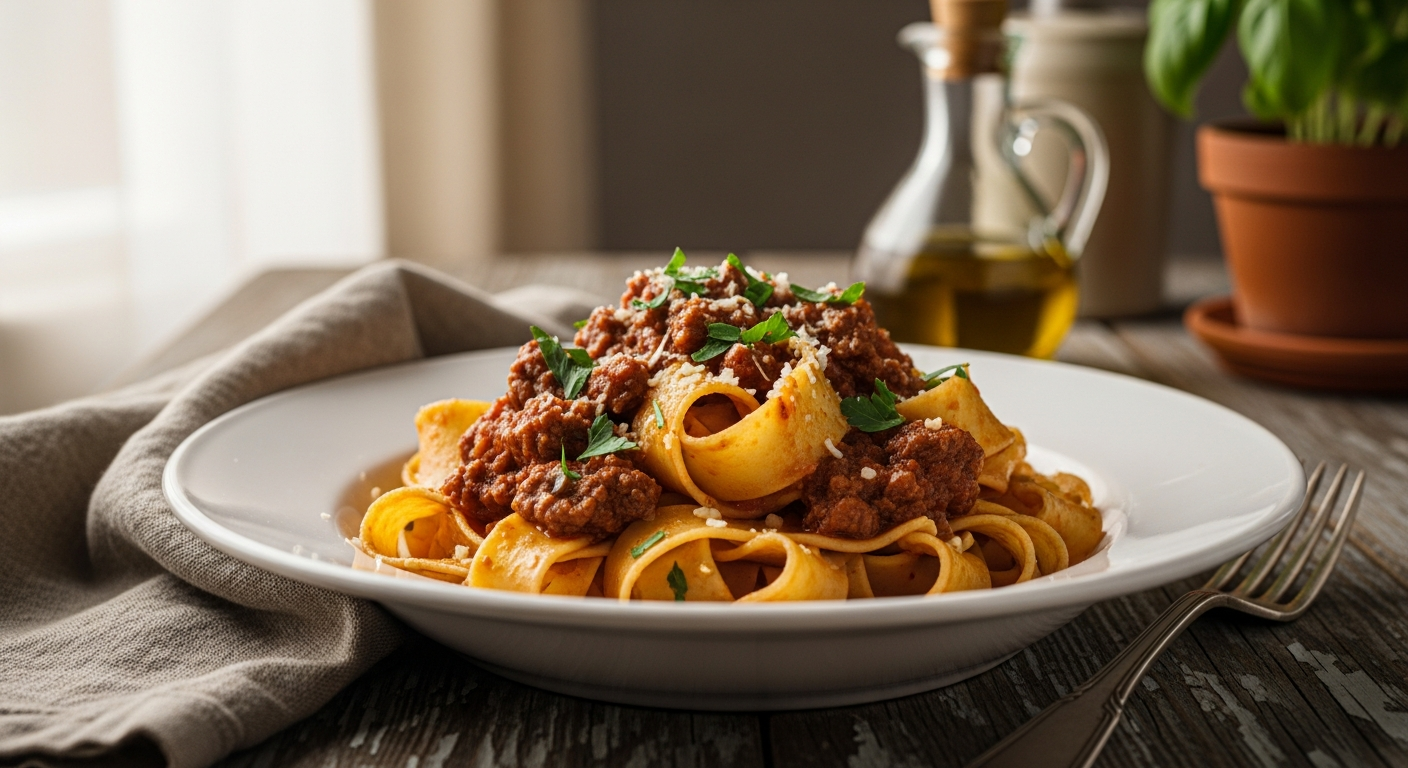
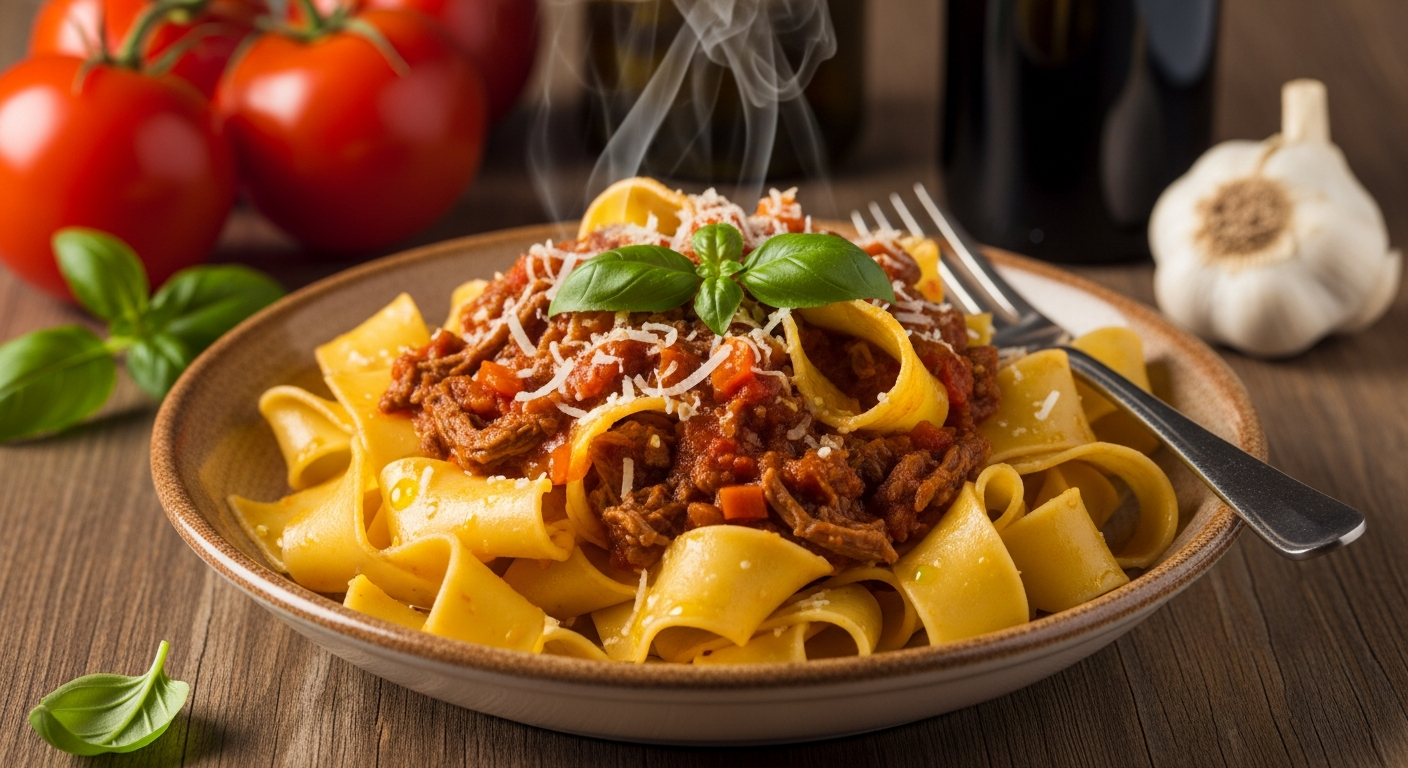
These broad ribbons shine best with robust, textured sauces that cling to their surface. For a classic Tuscan experience, pair pappardelle with slow-simmered wild boar ragù-rich, savory, and deeply aromatic. Alternatively, a delicate mushroom cream sauce, infused with fresh herbs like sage and thyme, complements the pasta’s tender bite beautifully. Finish with a dusting of aged Parmigiano-Reggiano and freshly cracked black pepper. Garnish with microgreens or a drizzle of truffle oil for an elevated touch.
To balance richness,serve with a crisp,dry white wine like Vermentino or a light Chianti for an authentic Italian table experience. Freshly grated nutmeg and a sprinkle of crushed chili flakes can add unexpected depth while uplifting the palate.

Exploring Regional Variations
While Tuscany famously champions pappardelle as a vessel for hearty meat sauces, Emilia-Romagna highlights subtle variations, integrating egg yolks or incorporating herbs directly into the dough for nuanced flavor. In coastal areas, pappardelle pairs with lighter seafood ragùs, blending the ribbon’s rustic texture with briny, fresh catches. Experimenting with these variations can transport your kitchen to the heart of Italy’s diverse pasta landscape.
| Nutrient | Per Serving (approx.) |
|---|---|
| Calories | 380 kcal |
| Protein | 12 g |
| carbohydrates | 70 g |
| Fat | 4.5 g |
Looking for more inspired pasta recipes? Check out our detailed guide on tagliatelle al ragù and explore the subtle art of Italian hand-rolled pasta. For an authoritative wash of culinary history, Accademia italiana della Pasta offers an in-depth look into the cultural heritage of pappardelle and other Italian pasta shapes.
Q&A
Q&A: Pappardelle Pasta – Ribboned Delights of Italian Tradition
Q1: What exactly is pappardelle pasta?
A1: Pappardelle is a broad, flat ribbon pasta that hails from the picturesque regions of Tuscany and Emilia-Romagna in italy. Think of it as the pasta world’s version of a flowing silk ribbon-wide and wonderfully textured, perfect for soaking up hearty sauces.
Q2: How did pappardelle get its name?
A2: the name “pappardelle” comes from the Italian verb pappare, meaning “to gobble up.” This playful nod hints at how irresistibly appetizing this pasta is, beckoning you to dive in and savor every bite.Q3: What makes pappardelle unique compared to other pasta types?
A3: Unlike thinner pastas such as spaghetti or linguine, pappardelle’s generous width-usually about 2 to 3 centimeters-gives it a ample mouthfeel and the ability to carry robust, chunky sauces.Its broad surface is perfect for embracing rich ragùs, wild mushroom sauces, and slow-cooked meats.
Q4: How is traditional pappardelle made?
A4: Traditionally, pappardelle is crafted from a simple blend of flour and fresh eggs, rolled out into thin sheets, then sliced into long, wide strips.The dough’s silky texture and the pasta’s generous width make it a tactile pleasure to prepare and eat.
Q5: Which sauces pair best with pappardelle?
A5: Pappardelle loves bold companions! classic pairings include slow-simmered wild boar ragù, hearty beef ragù, creamy mushroom sauces, or savory tomato-based mixtures loaded with herbs. Its wide ribbons serve as the perfect canvas for these rich, meaty concoctions.
Q6: Can pappardelle be made gluten-free or vegan?
A6: Absolutely! While traditional pappardelle is egg-based, creative chefs have adapted recipes to include gluten-free flours or vegan-pleasant ingredients like aquafaba or flaxseed “eggs.” The result is an inclusive twist on a beloved classic.
Q7: is pappardelle usually homemade or store-bought?
A7: Both! In Italy,homemade pappardelle is a cherished tradition,often rolled and cut by hand in family kitchens. though, you can also find excellent dried or fresh versions at specialty stores and Italian markets, making it easy to enjoy this ribboned delight at home.Q8: What occasions call for serving pappardelle?
A8: Pappardelle shines in celebratory and comforting meals alike-ideal for festive gatherings,Sunday family lunches,or intimate dinners where indulgence is the theme. Its hearty nature makes it a perfect centerpiece for sharing stories over slow-cooked feasts.
Q9: How should pappardelle be cooked for the best texture?
A9: Cooking pappardelle is simple but requires a watchful eye. Fresh pappardelle usually cooks quickly-in just 2 to 4 minutes-while dried varieties take a little longer. Always cook until al dente, so the noodles remain tender yet firm enough to hold up under rich sauces.
Q10: Any tips for serving pappardelle authentically?
A10: Serve pappardelle generously coated with sauce, topped with freshly grated Parmigiano-Reggiano or Pecorino Romano cheese, a sprinkle of fresh herbs like sage or rosemary, and a drizzle of good-quality extra virgin olive oil. Pair with a robust Italian red wine for a truly immersive Italian experience.
With each ribbon of pappardelle, you’re not just eating pasta-you’re savoring a slice of Italian heritage woven through centuries of culinary passion. Buon appetito!
Wrapping Up
As the ribbons of pappardelle glide effortlessly through bubbling pots and rich,savory sauces,they carry with them centuries of Italian heritage and the artistry of countless hands that perfected their supple folds. More than just a pasta, pappardelle is a celebration of tradition-a culinary canvas inviting both time-honored recipes and modern creativity. Whether blanketed in a hearty ragù or kissed by a delicate mushroom cream, these broad, tender strands remind us that sometimes, the simplest ingredients can weave the most unforgettable stories on our plates. Embracing pappardelle is not just about savoring pasta; it’s about savoring a delicious slice of Italy’s timeless soul.