
In the vibrant world of culinary delights, stir-fries stand out as a rapid, colorful, and nutritious way to satisfy hunger and tantalize the taste buds. But the secret to elevating a simple mix of crisp veggies and tender proteins lies not just in technique,but in the sauce that binds it all together. For those mindful of calories yet unwilling to sacrifice flavor, crafting the perfect low-calorie stir-fry sauce becomes an art form-balancing bold tastes and wholesome ingredients to create a mouthwatering masterpiece. In this article, we’ll unlock the secrets to savoring every bite without the guilt, transforming your stir-fries into irresistibly flavorful dishes that nourish both body and soul.
Savor Flavor: crafting the Perfect Low-calorie Stir-Fry Sauce
Unlocking the full spectrum of bold tastes in a stir-fry can frequently enough feel like a balancing act – especially when you’re aiming for a low-calorie, heart-healthy sauce that doesn’t skimp on excitement. Using fresh herbs and spices alongside smart, low-sodium choices turns this sauce into a vibrant festivity of flavors, while carefully balancing sweetness and tang without the need for added calories. Let’s dive deep into techniques that incorporate umami boosters and flavor-rich ingredients, elevating every bite of your stir-fry experience.
Prep and Cook Time
- Planning: 10 minutes
- Cooking: 5 minutes
- Total Time: 15 minutes
yield
Enough sauce for 4 servings of stir-fry
Difficulty Level
Easy
Ingredients
- 1/4 cup low-sodium soy sauce (for a heart-healthy base)
- 2 tablespoons rice vinegar (adds tang without calories)
- 1 tablespoon fresh ginger, finely grated (radiant and spicy heat)
- 2 garlic cloves, minced (essential aromatic)
- 1 tablespoon maple syrup or natural monk fruit sweetener (balances sweetness naturally)
- 1 teaspoon toasted sesame oil (for rich aroma and flavor)
- 1 teaspoon chili flakes or fresh minced chili (optional, for bold spice)
- 2 tablespoons chopped fresh cilantro (herbaceous freshness)
- 1 tablespoon finely chopped fresh basil (adds a sweet, peppery lift)
- 1 tablespoon mushroom soy sauce or tamari (umami booster)
- 1 tablespoon water (to mellow intensity)
- 1 teaspoon grated lime zest (adds bright, tangy notes)
- 1 teaspoon finely chopped green onion (scallion) (for crunch and mild sharpness)
Instructions
- Combine the soy sauce, rice vinegar, and mushroom soy sauce in a small bowl. Stir gently to blend all liquid bases so the salty and umami flavors start to marry.
- Add the grated ginger, minced garlic, and maple syrup into the bowl. Whisk thoroughly untill the maple syrup dissolves, ensuring sweetness is evenly spread without added calories.
- Stir in the toasted sesame oil and chili flakes.These give the sauce warmth and subtle smoky depth. Adjust chili to your desired heat level.
- Mix in the fresh herbs-cilantro, basil, and green onion-along with lime zest. These fresh notes unlock bright, complex flavors that lift the entire sauce.
- Pour in 1 tablespoon of water and stir again to soften intensity and create a smooth sauce that clings perfectly to stir-fried vegetables and proteins.
- Use instantly by tossing it into your hot stir-fry. After cooking your vegetables and protein, drizzle the sauce and sauté for 1-2 minutes to allow it to thicken slightly and coat every morsel.
- for best results, prepare the sauce just before cooking, as the fresh herbs are at their peak vibrancy and will impart the most lively flavor.
Tips for Success
- substitute maple syrup with honey or agave nectar if you prefer a different natural sweetener, but keep quantity minimal to stay low-calorie.
- Use tamari instead of soy sauce for a gluten-free option without compromising umami depth.
- To deepen umami further, add a teaspoon of miso paste-blend well to avoid clumps.
- If your sauce tastes too tart, try adding a pinch of cinnamon or ground star anise for warm complexity without sugar.
- Make-ahead tip: Sauce can be stored in a sealed container in the fridge for up to 3 days, but fresh herbs are best added just before using.
Serving Suggestions
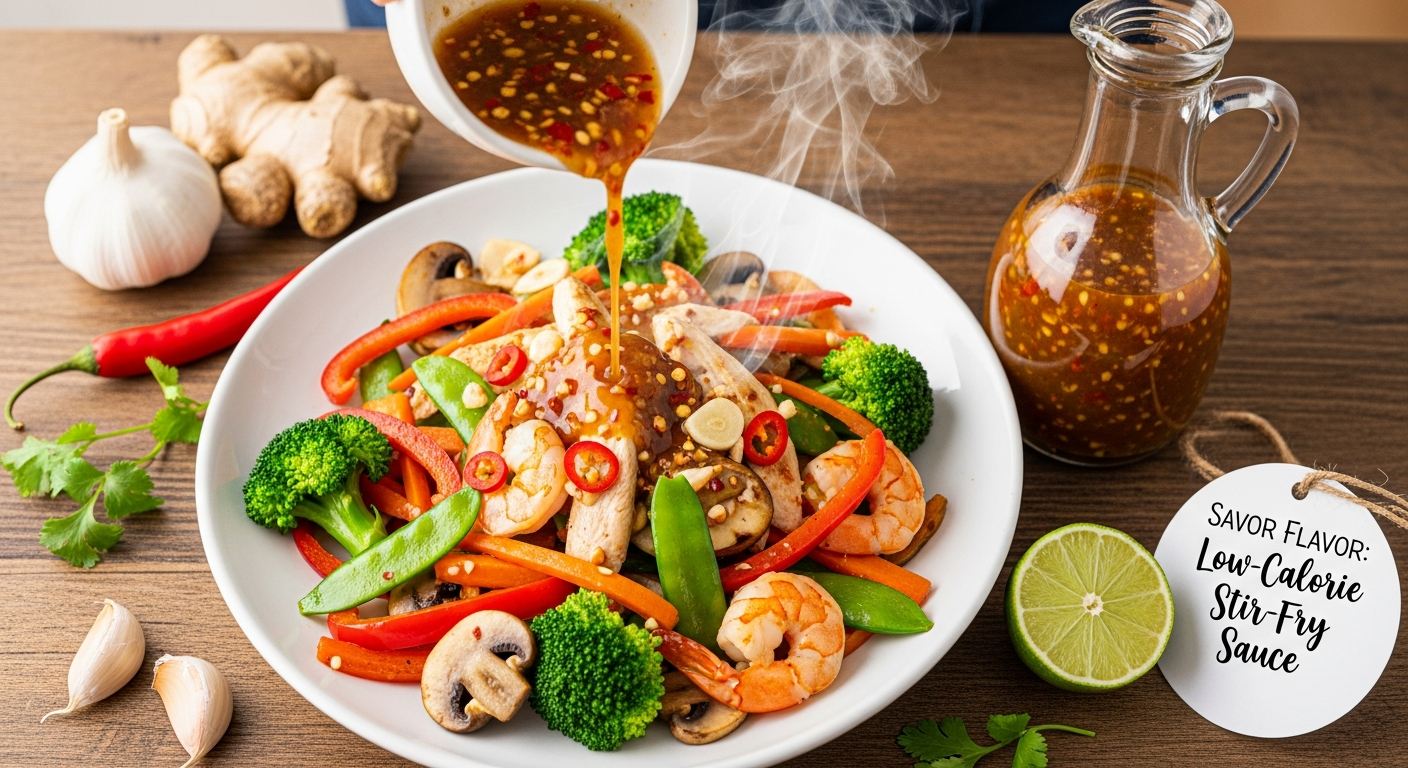
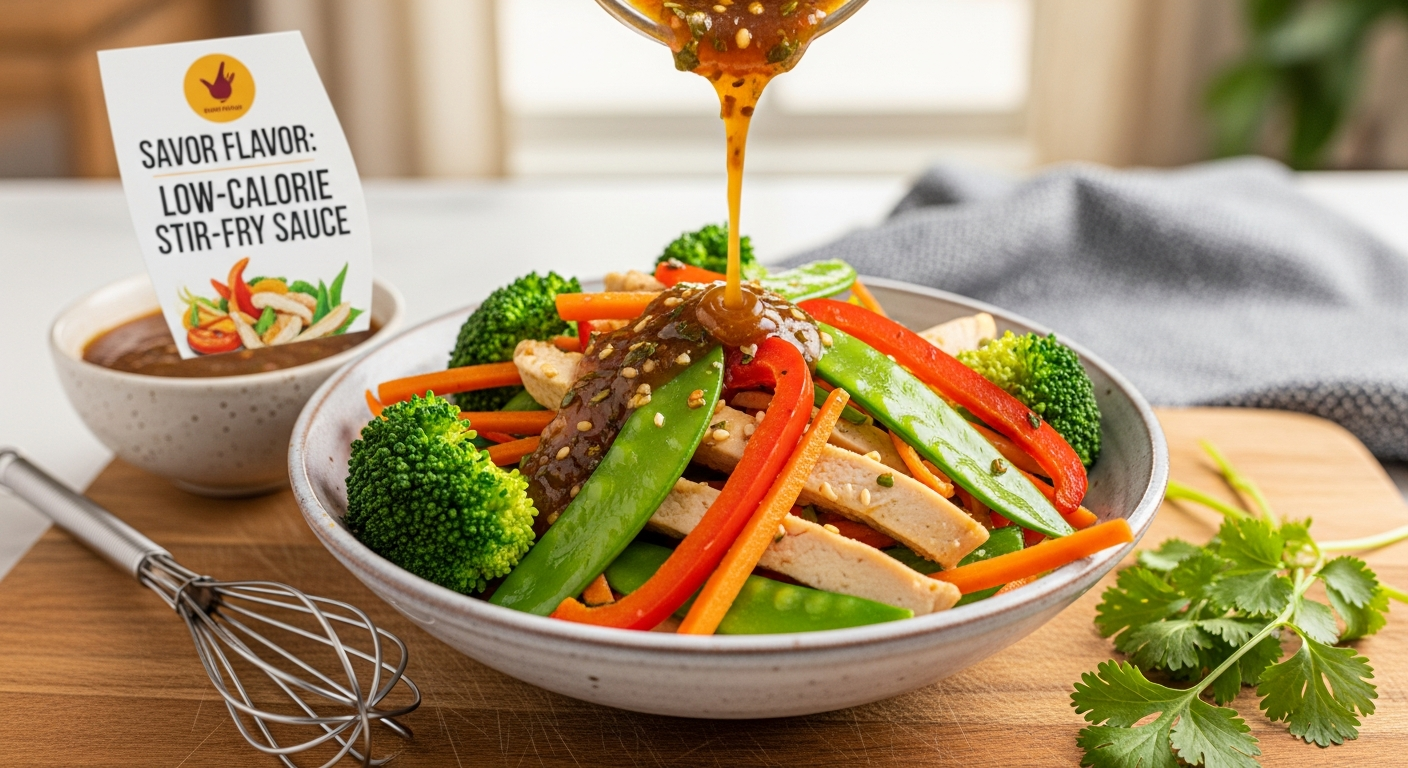
Drizzle this deeply flavorful stir-fry sauce over crisp, colorful veggie medleys like bright bell peppers, tender snap peas, and crunchy water chestnuts. It pairs beautifully with lean proteins such as skinless chicken breast, tofu, or shrimp. Garnish with additional chopped cilantro and a sprinkle of toasted sesame seeds to add texture and a pop of visual contrast. Serve over steamed jasmine rice or cauliflower rice for a light yet satisfying meal.

Nutritional Details (per serving)
| nutrient | Amount |
|---|---|
| Calories | 35 kcal |
| Protein | 1 g |
| Carbohydrates | 6 g |
| Fat | 2 g |
For more heart-healthy cooking inspiration, check out our collection of Asian-inspired low-sodium dishes. For a deeper understanding of the benefits of herbs and spices,visit Healthline’s comprehensive guide.
Q&A
Q&A: Savor Flavor – Crafting the Perfect Low-Calorie Stir-Fry Sauce
Q1: Why focus on a low-calorie stir-fry sauce?
A1: Stir-fry is a delightful and quick cooking method, but sauces often pack hidden calories from sugar, oil, and sodium. Crafting a low-calorie sauce means you get to enjoy bold, vibrant flavors without the guilt-perfect for maintaining a balanced diet while savoring every bite.
Q2: What key ingredients make a stir-fry sauce both flavorful and low-calorie?
A2: Think umami-rich soy sauce (choose low-sodium for health), fresh ginger and garlic for zest, a splash of rice vinegar or lime juice for brightness, a dash of chili for heat, and natural sweeteners like stevia or a touch of honey to balance flavors without excess sugar. Using vegetable broth as a base can add depth without fat.
Q3: How can I ensure my sauce doesn’t overpower the stir-fry’s freshness?
A3: Balance is everything. Start with small amounts of each ingredient and taste as you go.Use acidic elements like vinegar or citrus to cut thru richness, and add aromatics last to preserve their vibrancy. The sauce should enhance, not mask, the natural crunch and color of your veggies and protein.
Q4: Are there any secret tricks to making the sauce silky without adding calories?
A4: Absolutely! Rather of oil or cornstarch, try blending a small amount of pureed cauliflower or cooked white beans into your sauce for a natural creaminess. Alternatively, simmering the sauce to reduce and thicken concentrates flavors and creates a luscious texture without extra calories.
Q5: Can this sauce be prepared ahead of time?
A5: Yes! Making the sauce in advance is a fantastic idea-it allows flavors to meld overnight, deepening complexity. Just store it in an airtight container in the fridge and give it a stir before adding to your stir-fry to wake up the flavors.
Q6: How versatile is this sauce beyond stir-fry?
A6: This low-calorie sauce is a flavor champion beyond stir-fry. Use it as a marinade for grilled chicken or tofu, a dipping sauce for spring rolls, or a dressing drizzle over grain bowls. Its balanced profile makes it an all-purpose companion in your healthy kitchen adventures.
Q7: Any final tips to elevate low-calorie sauces?
A7: don’t shy away from fresh herbs like cilantro or green onions to add brightness. Experiment with spices-five-spice powder or smoked paprika can add intriguing layers. And remember, grate flavor comes from quality ingredients and mindful balance, not calories!
In Conclusion
In the quest for vibrant, guilt-free meals, mastering the art of a low-calorie stir-fry sauce opens a world of flavorful possibilities without tipping the scale. By thoughtfully blending herbs, spices, and wholesome ingredients, you can elevate simple vegetables and lean proteins into a dazzling symphony of taste and texture. So next time you toss your wok on the stove, remember: the magic lies not just in what you cook, but in the sauce you craft. Savor flavor, nourish your body, and let every bite be a celebration of mindful indulgence.