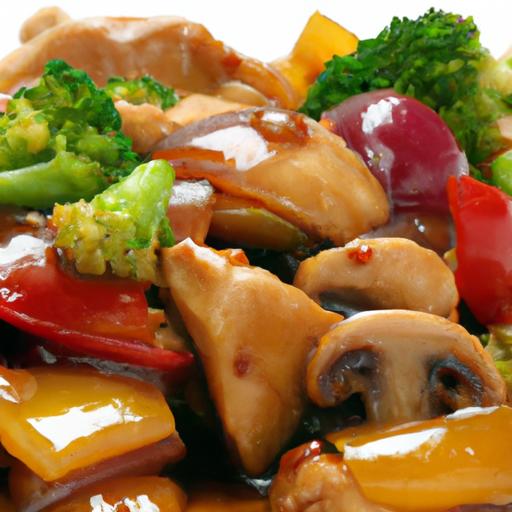

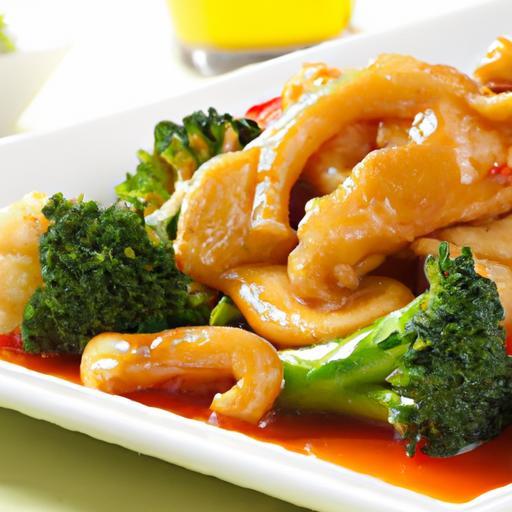
 In the vast and vibrant world of culinary delights, few dishes manage to captivate the palate quite like sweet and sour chicken. This beloved classic, with its tantalizing dance of flavors, strikes a perfect harmony between tangy zest and sugary warmth. From its origins steeped in tradition to its contemporary variations embraced worldwide,sweet and sour chicken invites food lovers on a flavorful journey that transcends cultures and kitchens.Join us as we explore the art and science behind this iconic dish, uncovering what makes its balance so irresistibly delightful and why it continues to hold a cherished place on menus and dinner tables alike.
Sweet and sour chicken is a vibrant medley of bold tanginess and gentle sweetness, a dish that has charmed palates worldwide. Its origins trace back to Chinese culinary tradition, but it’s the perfect balance of flavors that keeps it eternally popular. Crafting this classic comfort food starts with more than just a recipe – it demands the freshest ingredients, precise cooking techniques, and thoughtfully chosen side dishes to elevate every bite into a delicate harmony.
Prep and Cook Time
- Readiness: 20 minutes
- Cooking: 25 minutes
- Total Time: 45 minutes
Yield
- Serves 4 hearty portions
Difficulty Level
- Medium – Ideal for adventurous home cooks seeking a rewarding culinary experience
Ingredients
-
- For the Chicken:
- 500g boneless, skinless chicken thighs, cut into bite-sized pieces
- 1 cup all-purpose flour, sifted
- 1/2 cup cornstarch
- 1 large egg, lightly beaten
- 1/2 tsp salt
- 1/4 tsp freshly ground black pepper
- Vegetable oil, for frying (about 3 cups)
- For the Sweet and Sour Sauce:
- 1/2 cup rice vinegar (for that crisp acidity)
- 1/3 cup granulated sugar
- 1/4 cup ketchup, rich and tangy
- 2 tbsp soy sauce, low sodium
- 1/4 cup pineapple juice, freshly squeezed or canned
- 1 tbsp cornstarch dissolved in 3 tbsp cold water (slurry)
- 1 garlic clove, finely minced
- 1/2 cup diced red and green bell peppers
- 1/2 cup chopped pineapple chunks (fresh preferred)
- For the Chicken:
Instructions
-
-
- Prepare the Chicken: In a large bowl, combine the all-purpose flour, cornstarch, salt, and pepper. Dip each chicken piece into the beaten egg, then dredge thoroughly in the flour mixture, ensuring an even coating.Set aside on a wire rack to rest briefly-this helps the crust adhere.
- Deep Fry to golden perfection: Heat vegetable oil in a heavy-bottomed wok or deep skillet to 180°C (350°F). Carefully add chicken pieces in batches, avoiding overcrowding. Fry for 4-5 minutes, turning occasionally, untill the crust is crisp and golden brown. Drain on paper towels to remove excess oil.
- Craft the Sweet and Sour Sauce: In a medium saucepan over medium heat, combine rice vinegar, sugar, ketchup, soy sauce, pineapple juice, and garlic. Stir continuously until the sugar dissolves and the mixture simmers.
- Vegetable and Fruit Harmony: Add diced bell peppers and pineapple chunks to the simmering sauce. Cook for 3 minutes until vegetables slightly soften but remain vibrant.
- Thicken the Sauce: Slowly whisk in the cornstarch slurry while stirring. Allow it to cook for another 1-2 minutes until the sauce thickens to a glossy,velvety texture.
- Combine with Chicken: Transfer the fried chicken pieces into the sauce, tossing gently to coat each morsel with that alluring sweet and sour glaze. Serve promptly while everything is warm and inviting.
-
Chef’s Notes: tips for Success
-
-
- For the crispiest chicken, double dredge the pieces by dipping them again in the egg and flour mixture before frying.
- Use chicken thighs instead of breasts for juicier, more tender results-thighs hold moisture better under high heat.
- If you prefer a less tangy sauce, reduce the rice vinegar by a tablespoon and balance sweetness with extra pineapple juice.
- Make-ahead tip: Prepare the sauce a day in advance and refrigerate in an airtight container.Warm it gently before tossing in freshly fried chicken.
- experiment with adding fresh ginger or a hint of chili flakes to customize the flavor profile.
-
Serving Suggestions
Present your sweet and sour chicken on a bed of fragrant jasmine rice or fluffy steamed white rice to soak up every luscious drop of sauce. Garnish with thinly sliced scallions and sprinkle toasted sesame seeds for eye-catching texture and aroma. Crisp steamed bok choy or garlic sautéed snap peas provide a refreshing green contrast, creating a balanced and visually stunning plate.

Nutrition Information (Per Serving)
| Calories | Protein | Carbohydrates | Fat |
|---|---|---|---|
| 450 kcal | 35 g | 40 g | 15 g |
For additional experimentation with Asian-inspired sauces, check out our article on Honey Garlic Chicken. To deepen your knowledge of vinegar varieties and thier flavor profiles, visit Serious Eats: Rice Vinegar Guide.
Q&A
Q&A: the Perfect Balance – Exploring sweet and Sour Chicken Delights
Q1: What makes sweet and sour chicken such a beloved dish worldwide?
A1: Sweet and sour chicken captivates taste buds by harmonizing two opposing flavors-sweetness and tanginess-in one bite. This dynamic duo creates a delightful contrast that excites the palate, making the dish both comforting and intriguingly complex. Its global appeal lies in this perfect balance,offering a flavor journey that’s familiar yet refreshingly vibrant.
Q2: How did sweet and sour chicken originate?
A2: The origins of sweet and sour chicken trace back to Chinese cuisine, with roots in cantonese cooking were cooks mastered balancing flavors like sugar, vinegar, and soy sauce. Over time,the dish traveled and morphed,especially through Chinese-American and other Asian fusion cuisines,adapting local ingredients and tastes but retaining its signature sweet-tart interplay.
Q3: What are the essential ingredients that define authentic sweet and sour chicken?
A3: Authentic sweet and sour chicken relies on a few key players: tender chicken pieces, usually battered and fried to golden perfection; a sauce that combines sweetness from pineapple or sugar and sourness from vinegar or citrus; and supporting notes like soy sauce, ginger, and garlic that add depth and complexity. Vegetables like bell peppers and onions frequently enough join the mix, enhancing texture and freshness.
Q4: Can sweet and sour chicken be customized to suit different dietary needs?
A4: Absolutely! The beauty of sweet and sour chicken lies in its versatility. For a lighter option, chicken can be baked or air-fried rather of deep-fried. Using alternatives like tofu or cauliflower can transform it into a vegetarian delight. Adjusting the sweetness or sourness level allows you to tailor the sauce to your preference, while gluten-free batters and sauces make it accessible to those with dietary restrictions.
Q5: What tips can home cooks use to achieve the perfect sweet and sour balance?
A5: To nail the sweet and sour harmony, start by tasting and adjusting your sauce incrementally-to sweet? Add a splash of vinegar or lemon juice; too sour? Sprinkle a little sugar or honey. Crispiness is key, so ensure your chicken is properly coated and fried at the right temperature to avoid sogginess. toss in fresh veggies at the last moment to keep their crunch and vibrant colors.
Q6: How does sweet and sour chicken differ across cultures?
A6: While the core concept remains consistent, regional twists abound. In the West, you might find sweeter, ketchup-based sauces with pineapple chunks, whereas traditional Chinese versions emphasize a lighter, more vinegar-forward sauce. some Southeast Asian renditions incorporate tamarind or palm sugar, adding unique earthy undertones. These variations showcase how one dish can adapt beautifully to local tastes while preserving its essence.
Q7: Why does the contrast of sweet and sour flavors work so well in chicken dishes?
A7: Chicken, with its mild flavor and tender texture, acts like a blank canvas that absorbs and showcases bold sauces perfectly.Sweetness soothes and enchants the palate, while sourness refreshes and sharpens it-together, they create a lively flavor dance. This balance prevents the dish from feeling one-dimensional and keeps each bite exciting and satisfying.
Q8: What side dishes best complement sweet and sour chicken?
A8: Sweet and sour chicken pairs wonderfully with simple, steamed jasmine or basmati rice, which absorbs the luscious sauce. Stir-fried vegetables or a crisp Asian slaw add freshness and crunch. For a heartier meal, fried rice or noodles can round out the flavors, creating a complete and indulgent feast.
Q9: How can sweet and sour chicken inspire creativity in everyday cooking?
A9: Sweet and sour chicken invites culinary inventiveness by encouraging experimentation with different proteins,fruits,and spices. Try swapping pineapple for mango or peach, or add chili flakes for a spicy kick. Using the core sauce as a base, you can reinvent classic stir-fries, salads, or even wraps, keeping this timeless flavor profile fresh and exciting in your kitchen adventures.
Q10: In one sentence, what makes sweet and sour chicken a timeless delight?
A10: It’s the enchanting marriage of contrasting flavors and textures, masterfully uniting sweetness and tang to create a universally joyful and comforting dish that resonates across cultures and generations.
The Conclusion
In the intricate dance of flavors that define sweet and sour chicken,we find more than just a dish-we discover a harmonious blend of tradition,culture,and palate-pleasing innovation. Whether you favor the tangy kiss of pineapple or the gentle whisper of a homemade glaze, the perfect balance lies in the interplay between sweetness and acidity, tender texture and crispy bite. As you savor each mouthful, remember that sweet and sour chicken is not just a meal; it’s a celebration of contrast and complement, inviting us to appreciate how opposing tastes can come together to create something truly delightful. So next time you indulge in this classic favorite, take a moment to relish the artistry behind every bite-a flavorful reminder that sometimes, the best things in life are found where opposites meet.