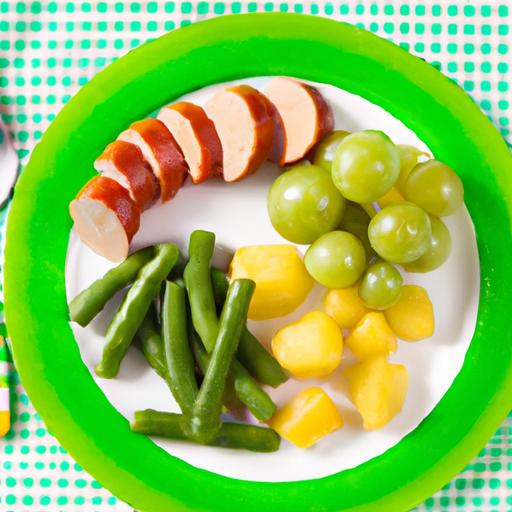

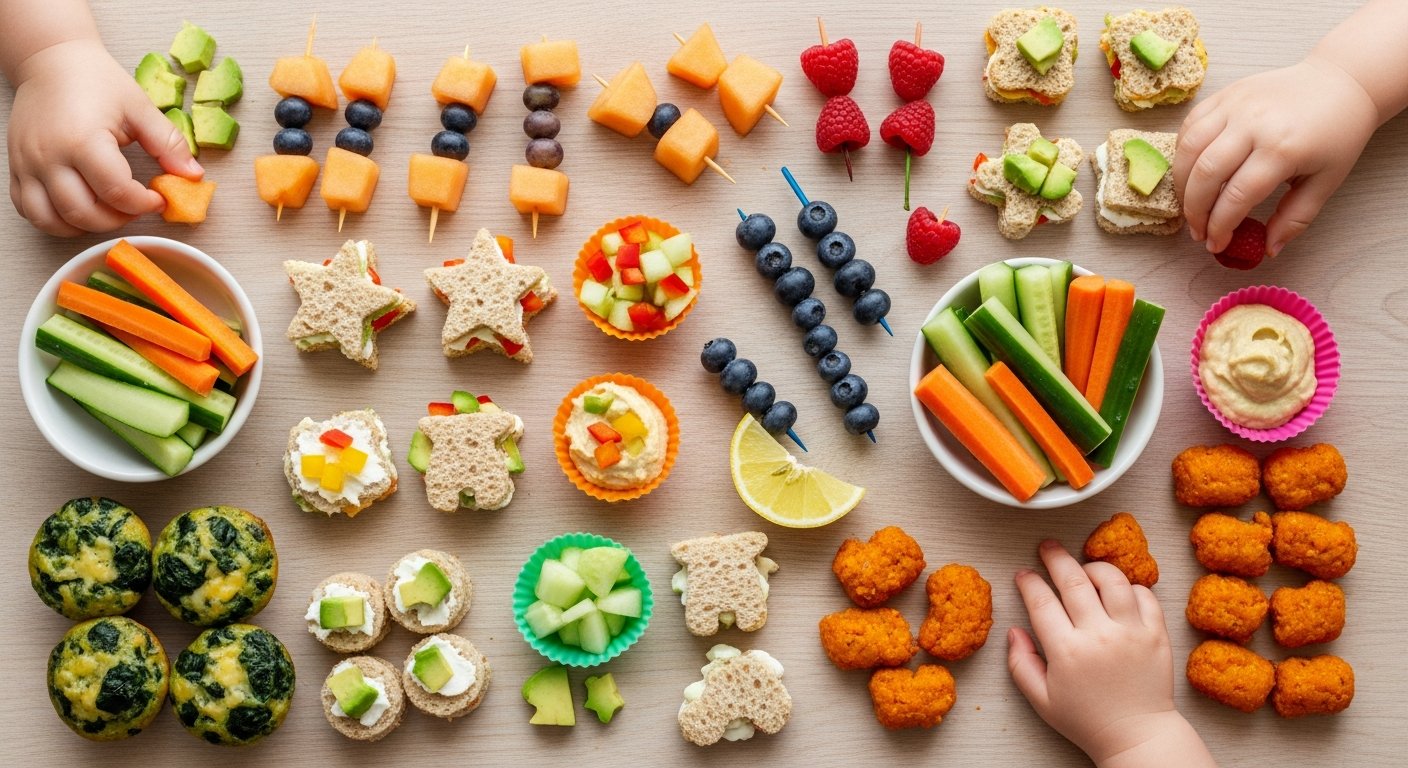
When it comes to toddlers, mealtime is anything but predictable. Little hands are eager to explore, little mouths are curious to discover new flavors, and little appetites can be surprisingly selective.Enter the delightful world of tiny tastes-creative,healthy finger foods designed to engage your toddler’s senses while nourishing their growing bodies. Thes bite-sized bites not onyl foster independence and fine motor skills but also turn eating into an adventurous,joyful experience. In this article, we’ll explore a variety of inventive and wholesome finger food ideas that make mealtime both fun and nutritious for your little one.
Tiny Tastes: Creative, Healthy Finger Foods for Toddlers
Tiny Tastes: Creative, Healthy Finger Foods for Toddlers unlocks a world of nutrient-packed ingredients perfectly suited for little hands eager to explore new flavors and textures. From vibrant vegetables to wholesome grains, this recipe celebrates the balance toddlers need while keeping mealtime playful and engaging for busy parents.
Prep and Cook Time
Prep Time: 15 minutes
Cook Time: 10 minutes
Total Time: 25 minutes
Yield
Serves 4 toddlers (approx. 12 finger food pieces)
Difficulty Level
Easy
Ingredients
- 1 cup cooked quinoa, cooled
- 1 medium carrot, finely grated
- 1/2 cup steamed peas, mashed slightly
- 1 small zucchini, grated and squeezed dry
- 1/4 cup finely diced mild cheddar cheese
- 1 large egg, lightly beaten
- 2 tbsp whole wheat flour
- 1 tbsp finely chopped fresh parsley
- Pinch of mild paprika (optional)
- 1 tbsp olive oil for frying
Instructions
- Prepare the base: In a large mixing bowl, combine the cooked quinoa, grated carrot, steamed peas, and grated zucchini. Gently fold to mix the colors and textures evenly.
- Add the binder: Stir in the beaten egg,whole wheat flour,diced cheddar cheese,parsley,and paprika until a sticky but moldable mixture forms. If the mixture feels too wet, add a bit more flour, one teaspoon at a time.
- Form finger bites: Using clean hands, shape small, toddler-friendly patties approximately 1 to 1.5 inches in diameter. Keep them uniform for even cooking.
- Heat and cook: Warm the olive oil in a non-stick skillet over medium heat. Add patties without overcrowding and cook until golden brown on each side, about 3 to 4 minutes per side. Flip carefully using a spatula.
- Drain and cool: Transfer cooked bites to a plate lined with paper towels to remove excess oil.Let them cool slightly before serving to avoid burning little mouths.
Tips for Success
- For added variety, swap cheddar with mild mozzarella or cottage cheese tailored to your toddler’s taste.
- make-ahead: Freeze uncooked patties on a baking sheet, then store in zip-lock bags. Cook from frozen by extending fry time by 1-2 minutes per side.
- If quinoa is unavailable, cooked couscous or millet also works wonderfully as a base.
- Introduce mild herbs like basil or dill gradually to expand flavour profiles without overwhelming delicate palates.
Serving Suggestions
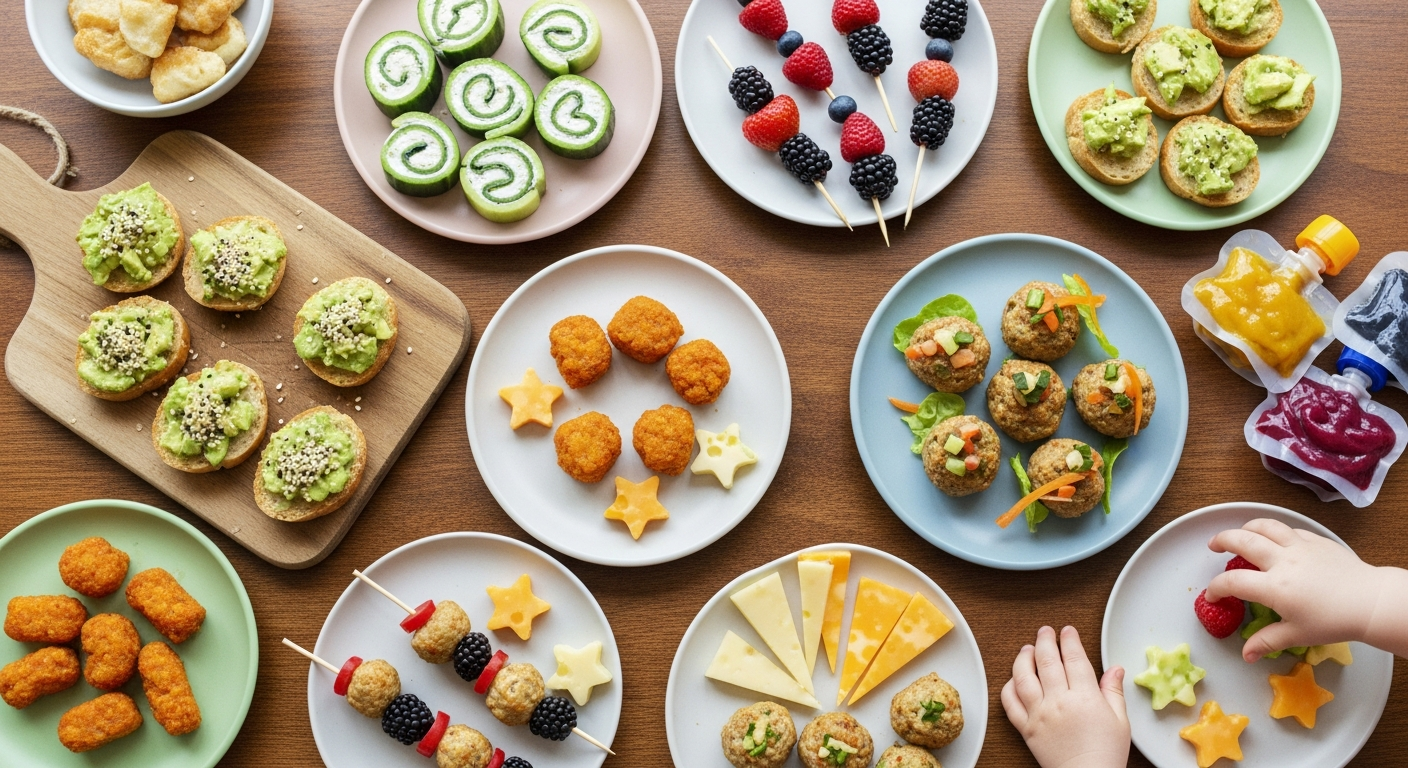
Arrange the colorful bites on a brightly patterned toddler dish, garnished with a small sprig of parsley or a thin wedge of avocado for a creamy contrast. Pair with a side of homemade hummus or yogurt dip to encourage dipping fun and sensory engagement. Presenting the finger foods in small muffin liners or atop vibrant leaves (like kale) adds an extra splash of excitement for little hands discovering new tastes.

Nutrition at a Glance
| Nutrient | Per Serving |
|---|---|
| Calories | 90 kcal |
| Protein | 4 g |
| carbohydrates | 12 g |
| Fat | 3 g |
Explore more easy toddler snack recipes or visit the USDA’s Infant & Toddler Feeding Guide for additional nutrition tips and ideas.
Q&A
Q&A: Tiny Tastes – Creative, Healthy Finger Foods for Toddlers
Q1: Why are finger foods important for toddlers?
A1: Finger foods are more than just bite-sized snacks-they’re little adventures in independence! When toddlers feed themselves, they build crucial motor skills, practice hand-eye coordination, and gain confidence. Plus, mealtime becomes a playful experience rather than a battleground.
Q2: What makes a finger food healthy and toddler-friendly?
A2: The golden trio for toddler finger foods? Nutritious, safe, and fun. Foods should be soft enough to chew without choking hazards, packed with essential nutrients, and visually appealing. Think vibrant veggies, colorful fruits, mild cheeses, whole grains, and lean proteins cut into tiny, manageable bites.
Q3: Can you suggest some creative finger food ideas that pack a nutritional punch?
A3: Absolutely! Imagine mini rainbow veggie wraps with shredded carrots, spinach, and hummus rolled in soft tortillas. Or bite-sized turkey and avocado pinwheels, bursting with creamy texture and protein. Sweet potato tots seasoned lightly with cinnamon and baked to crispy perfection are another crowd-pleaser. Don’t forget fruit kabobs with melon,blueberries,and soft banana slices for a natural sugar kick.
Q4: How can parents ensure finger foods are safe and reduce choking risks?
A4: Safety first! Always supervise toddlers while eating and serve foods cut into small, manageable pieces-they should fit easily into a toddler’s mouth. Avoid hard,round,or sticky foods like whole grapes,nuts,or chunks of raw carrots. When introducing new textures, stay close and watch for any signs of fussiness or discomfort.
Q5: What role does creativity play in encouraging toddlers to try new foods?
A5: Creativity is the secret sauce! Toddlers are naturally curious and enticed by colorful, playful presentations.Turning veggies into smiley faces, arranging fruit like a mini rainbow, or offering a variety of textures in one plate invites exploration. The more engaging the plate looks, the more likely little ones will take a “tiny taste” and discover new favorites.
Q6: How often should toddlers be offered finger foods throughout the day?
A6: Finger foods can be woven throughout mealtimes and snacks, creating multiple opportunities for self-feeding practice. Offering 3 balanced meals plus 2-3 healthy finger food snacks allows toddlers to explore tastes and stay nourished without overwhelming them.
Q7: Any tips to make mealtime less messy and more enjoyable?
A7: embrace the mess-it’s part of learning! Use bibs, place mats, and easy-to-clean surfaces. Introduce finger foods that aren’t too crumbly or sticky to limit chaos. Most importantly, keep the mood light and praise each small success, making mealtime a joyful journey rather than a chore.
these tiny tastes aren’t just snacks-they’re building blocks for healthy habits, curiosity, and independence that last a lifetime. Ready to get creative and watch your toddler’s palate expand bite by bite?
Future Outlook
As little hands explore the vibrant world of flavors,tiny tastes become big adventures in nutrition and fun. By offering creative, healthy finger foods, you’re not just nourishing your toddler’s body-you’re sparking curiosity, independence, and a lifelong love for wholesome eating. So next time you prepare those small bites,remember: every colorful crumb holds the promise of a happy,healthy journey ahead. Here’s to tiny tastes making a mighty difference!