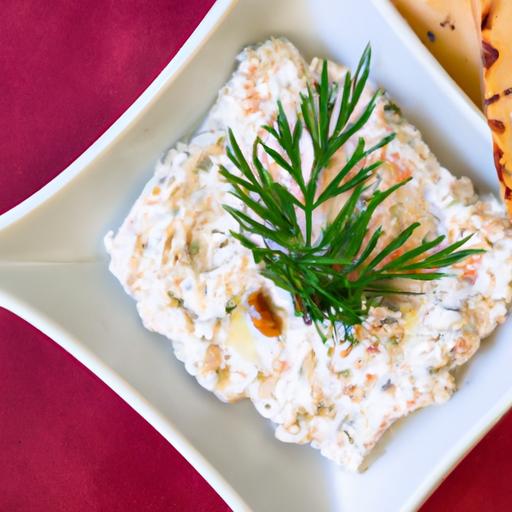

Tzatziki Unveiled: Your Ultimate Creamy Greek Sauce Guide
Imagine a sauce so refreshingly tangy, so luxuriously creamy, that it effortlessly transports your taste buds straight to the sun-drenched shores of the Mediterranean. That’s tzatziki-a beloved Greek staple that’s more than just a condiment; it’s a celebration of culture, flavor, and tradition all swirled into one luscious dip.In this ultimate guide, we’ll dive deep into the origins, ingredients, and irresistible uses of tzatziki, revealing the secrets behind its perfect balance of cucumber crunch, garlicky punch, and silky yogurt bliss. Whether you’re a seasoned foodie or a curious kitchen explorer, get ready to unlock the magic of this iconic sauce and elevate your culinary creations to new heights.
Tzatziki,a beloved staple of Mediterranean tables,is much more than just a cool,creamy sauce-it’s a vivid expression of Greek culinary heritage and hospitality. This iconic concoction balances tart yogurt with refreshing cucumber and aromatic garlic, creating a versatile dip that has transcended cultural boundaries and inspired countless variations worldwide. From my first encounter in a sun-drenched taverna in Santorini to countless homemade batches perfected over the years, mastering tzatziki has become a joy that invites endless creativity and celebration of fresh, wholesome ingredients.
Prep and Cook Time
- Planning: 15 minutes
- Resting Time: 30 minutes (to meld flavors)
- Total Time: 45 minutes
Yield
Yields approximately 2 cups (serves 6 as a condiment)
Difficulty Level
Easy – perfect for beginner and experienced cooks alike
Ingredients
- 1 cup Greek yogurt (full-fat, strained for creaminess)
- 1 medium cucumber (seeded and finely grated)
- 2 cloves garlic (minced or grated)
- 1 tablespoon extra virgin olive oil
- 1 tablespoon white wine vinegar (or fresh lemon juice)
- 2 tablespoons fresh dill (finely chopped)
- Salt to taste
- Freshly ground black pepper to taste
Instructions
- Prepare the cucumber: Peel and grate the cucumber, then sprinkle lightly with salt and set in a colander for 10 minutes to draw out excess water.press gently or squeeze in a clean kitchen towel to remove as much moisture as possible-this is key to preventing a watery tzatziki.
- Combine key ingredients: In a medium bowl, stir together the Greek yogurt, pressed cucumber, minced garlic, olive oil, white wine vinegar, and dill until well blended.
- Season thoughtfully: Add salt and freshly ground black pepper, tasting as you go to achieve a balanced flavor that shines with brightness and garlicky punch.
- Rest for depth: Cover and refrigerate tzatziki for at least 30 minutes. This resting period allows the flavors to meld beautifully and the texture to thicken slightly.
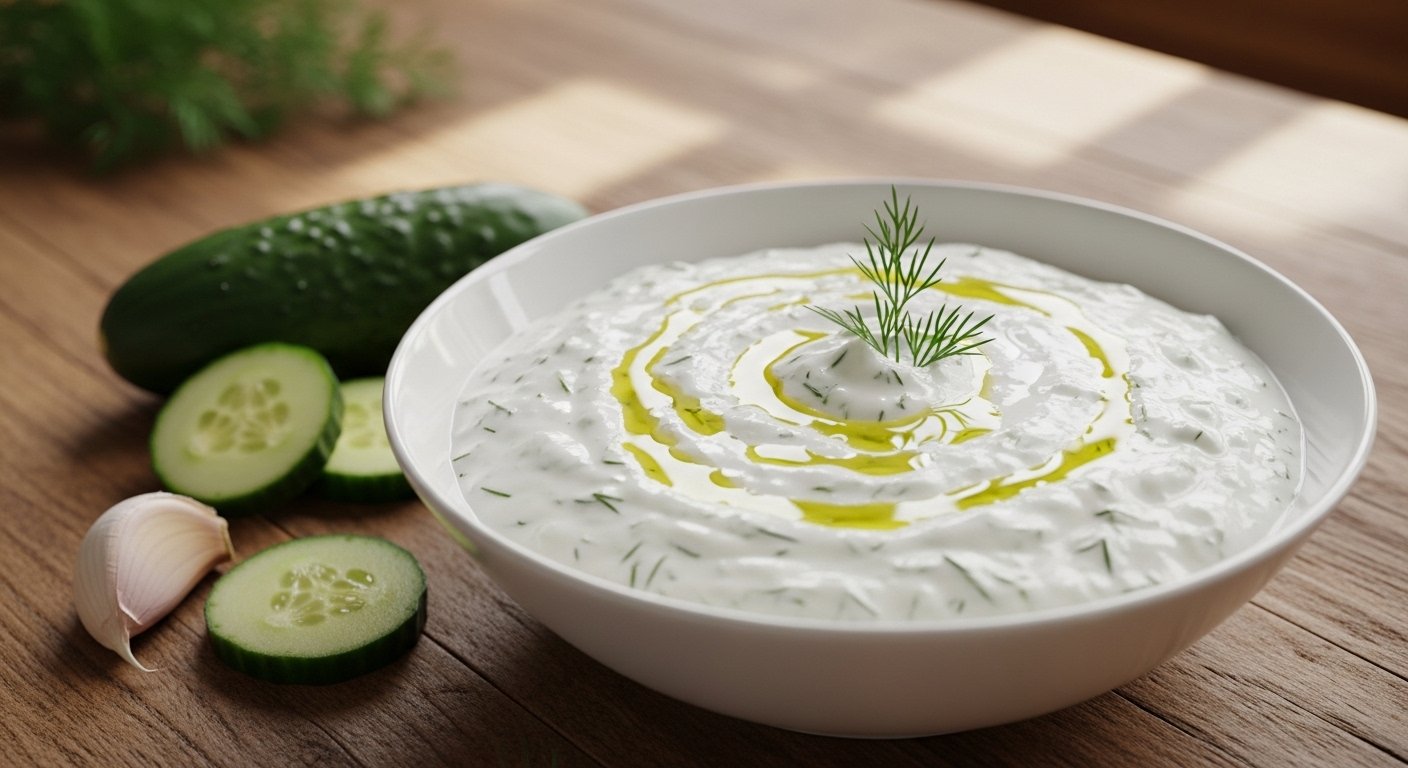
- Final touches: Before serving, give tzatziki a gentle stir and adjust seasoning if needed. Drizzle with a little extra olive oil and sprinkle with a few fresh dill sprigs for garnish.
Tips for Success: Mastering the Perfect Creamy Texture
- Choose authentic Greek yogurt-its thick, creamy consistency is a foundation for classic tzatziki texture.
- Drain cucumber thoroughly to avoid watery sauce; use a fine mesh sieve or cheesecloth for best results.
- Adjust garlic intensity gradually; fresh garlic can overpower, so start with one clove and add more if preferred.
- For an ultra-smooth texture, pulse the mixture lightly in a food processor but avoid over-processing to preserve fresh bite.
- Make ahead benefits: Tzatziki tastes even better the next day, making it an excellent make-ahead dip for gatherings.
- Substitution note: If Greek yogurt is unavailable, strain full-fat plain yogurt through a cheesecloth overnight to replicate thickness.
Creative Variations to Elevate Your Tzatziki Experience
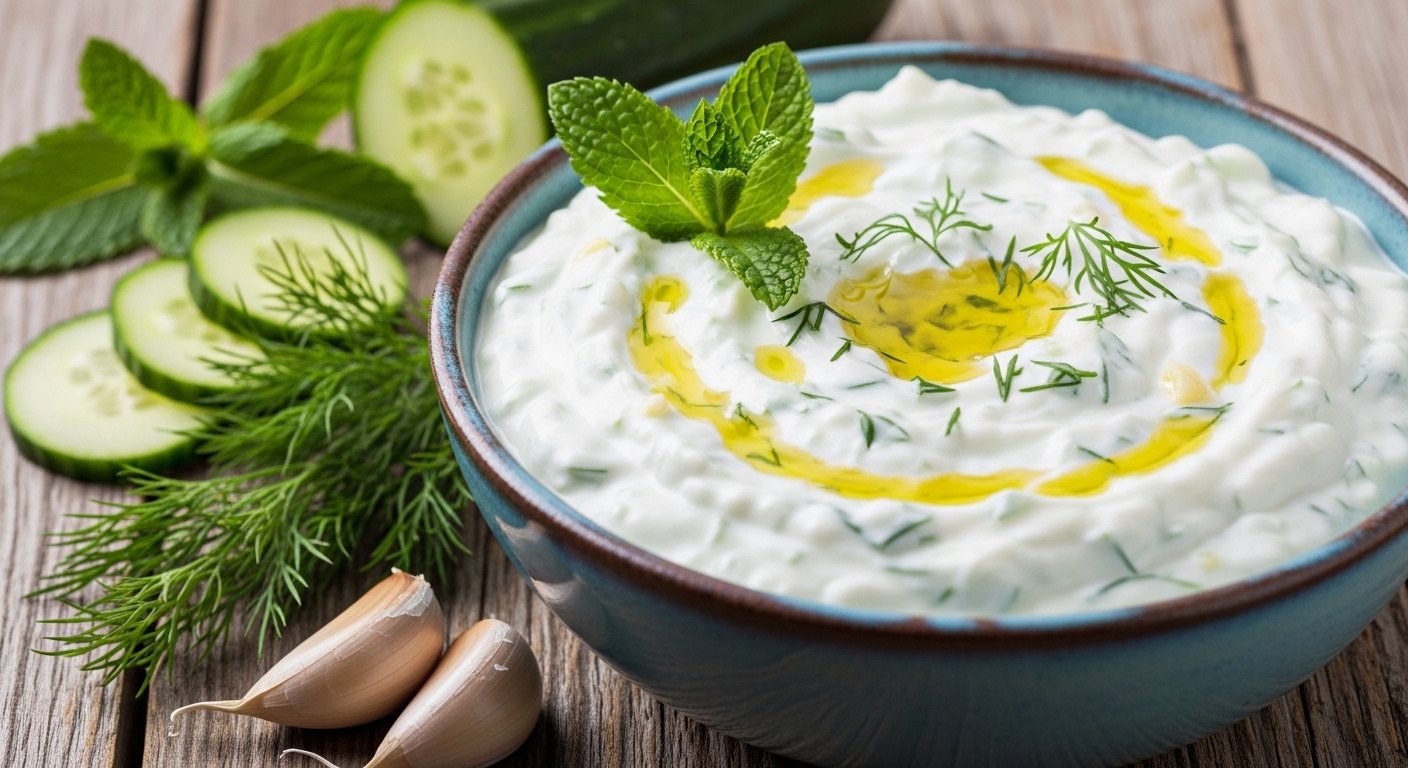
- Mint infusion: Replace dill with fresh mint leaves for a brighter, summer-ready twist.
- Spiced kick: Add a pinch of smoked paprika or cayenne for subtle warmth contrasting the coolness.
- Roasted garlic: Swap raw garlic with roasted garlic for a mellow, nutty depth.
- Dairy-free version: Use coconut yogurt and a touch of lemon zest for a vibrant alternative.
- Chunky texture: Dice cucumber finely instead of grating to add crunch and texture complexity.
Serving Suggestions and Pairing Tips for Every Occasion
Tzatziki is an all-star companion at any meal, effortlessly lifting grilled meats, roasted vegetables, and fresh breads to new heights. For a traditional Greek experience, serve with warm pita triangles alongside souvlaki or gyros. It also shines as a cooling contrast for spicy dishes such as lamb kebabs or Middle eastern falafel.
For a casual snack,create vibrant mezze platters featuring tzatziki amidst olives,feta cubes,cherry tomatoes,and roasted nuts. Garnish with freshly chopped herbs and a drizzle of rich olive oil for stunning presentation.At outdoor gatherings, tzatziki doubles as a luscious dip for crisp crudités and sweet grilled corn, inviting every guest to savor its fresh, creamy charm.
Pair tzatziki with refreshing beverages like chilled rosé or citrus-forward white wines to complement its herbal brightness and creamy texture.

| Nutrient | Per 2 tbsp Serving |
|---|---|
| Calories | 30 |
| Protein | 2 g |
| Carbohydrates | 2 g |
| Fat | 2.5 g |
For an in-depth exploration of mediterranean flavors that pair beautifully with tzatziki, check out our Mediterranean Dips Guide. To deepen your understanding of yogurt’s role in traditional diets, the encyclopedia Britannica on Yogurt offers excellent insights.
Q&A
Q&A: Tzatziki Unveiled - Your Ultimate Creamy Greek Sauce Guide
Q1: What exactly is tzatziki?
A1: Tzatziki is the iconic Greek sauce that’s as refreshing as a seaside breeze and as creamy as a velvet dream. Made primarily from yogurt, cucumbers, garlic, olive oil, and a splash of citrus or vinegar, it’s the perfect cool companion to grilled meats, pita bread, and vibrant Mediterranean dishes.
Q2: Where does tzatziki come from?
A2: Rooted deeply in Greek culinary tradition, tzatziki’s history is a melting pot of ancient Mediterranean flavors. While similar yogurt-cucumber mixtures appear across the Balkans and Middle East, Greece has perfected this sauce into a tangy, garlicky elixir that sparks joy in every bite.
Q3: What makes traditional Greek tzatziki so creamy and flavorful?
A3: The magic lies in strained Greek yogurt, which boasts a thicker, richer texture than regular yogurt. When combined with finely grated and well-drained cucumbers, minced garlic, fragrant dill or mint, and a drizzle of robust olive oil, the result is an irresistibly luscious sauce.
Q4: Can I make tzatziki vegan or dairy-free?
A4: Absolutely! While traditional tzatziki uses animal-derived yogurt, creative plant-based swaps like coconut or almond yogurt can mimic the creaminess. Just ensure the yogurt is thick and tangy, and maintain the cucumber, garlic, and olive oil essence for that authentic kick.
Q5: How do I prevent my tzatziki from becoming watery?
A5: The secret is in the cucumbers.After grating, give them a good squeeze or sprinkle with salt and let them sit in a sieve to release excess moisture. This step ensures your tzatziki stays thick and velvety rather than watery and runny.
Q6: What dishes pair perfectly with tzatziki?
A6: Think grilled lamb, chicken souvlaki, crispy falafel, fresh veggie platters, or even as a zesty dip for crunchy fries. Tzatziki adds a cooling contrast that balances spicy and savory flavors, elevating everything from snacks to main courses.
Q7: How long can I store tzatziki in the fridge?
A7: Fresh is best! Keep your tzatziki in an airtight container, and it should stay vibrant and tasty for up to 3 days. After that, the fresh herbs and cucumber may lose their punch, and the texture might thin out.
Q8: Any tips for customizing my tzatziki recipe?
A8: Definitely! Experiment with adding fresh herbs like mint or dill for extra brightness, a squeeze of lemon for zing, or a pinch of smoked paprika for a subtle smoky undertone. The beauty of tzatziki is its adaptability to suit your palate.
Q9: Why is tzatziki considered a healthy sauce option?
A9: Beyond its delightful flavor, tzatziki packs a nutritional punch-Greek yogurt brings probiotics and protein, cucumbers offer hydration and fiber, and olive oil delivers heart-healthy fats. It’s a guilt-free way to enhance your meals with creamy goodness.
Q10: Can tzatziki be used beyond a dip or sauce?
A10: Oh yes! Tzatziki moonlights beautifully as a salad dressing, a sandwich spread, or even a cooling swirl atop spicy soups. Its versatility makes it a kitchen superstar, ready to add a Greek twist wherever you crave some creamy, tangy charm.
In Retrospect
As we wrap up this flavorful journey through the world of tzatziki, it’s clear that this humble Greek sauce holds a special place far beyond the Mediterranean shores. Whether dolloped atop grilled meats, drizzled over fresh veggies, or simply scooped with warm pita, tzatziki’s creamy, tangy charm invites us all to savor a true taste of Greek tradition. Now armed with the ultimate guide to its ingredients, variations, and uses, you’re ready to bring a little sunshine-and a lot of zest-to your table. So go ahead, dive into the yogurt, cucumber, and herb blend, and let tzatziki transform your meals into a celebration of authentic Mediterranean delight. Opa!