
Imagine a dinner table where every bite is a battle and every meal ends in frustration. For many families, picky eating isn’t just a phase-it’s a daily challenge that leaves parents and caregivers scrambling for solutions. But what if there were a way to gently guide taste buds on a culinary adventure, transforming “I don’t like it” into “let me try that”? Welcome to teh world of food chaining, a deliciously strategic approach that unlocks new tastes and textures by building bridges from familiar favorites to exciting new flavors.In this article, we’ll explore creative and practical food chaining tips that can definitely help even the most selective eaters expand their palates-one bite at a time.
Unlocking tastes for picky eaters goes beyond mere exposure; it involves understanding the subtle psychology that governs food preferences and aversions. by building flavor bridges through gradual food introductions, we create comforting but adventurous culinary steps that gently coax the palate out of its comfort zone.This approach not only diminishes anxiety around new dishes but empowers individuals to explore a broader range of flavors and textures with confidence and curiosity.
Prep and Cook Time
- Planning: 15 minutes
- Cooking: 25 minutes
- Total Time: 40 minutes
Yield
- 4 servings
Difficulty Level
- Easy to Medium
Ingredients
- 1 cup quinoa, rinsed and drained
- 2 cups vegetable broth (low sodium)
- 1 cup finely chopped carrots (cooked until tender)
- ¾ cup steamed cauliflower florets, mashed slightly
- 2 tablespoons mild olive oil
- 1 teaspoon garlic powder
- ½ teaspoon smoked paprika
- 1 tablespoon honey or maple syrup (optional for added sweetness)
- Salt and pepper to taste
- Fresh chopped parsley for garnish
Instructions
- In a medium saucepan, bring the vegetable broth to a gentle boil. Add the quinoa, reduce heat to low, cover, and simmer for 15 minutes or until liquid is absorbed. Fluff with a fork and set aside.
- While the quinoa cooks, lightly steam carrots and cauliflower until tender but not mushy. This preserves texture while softening flavors,an essential step in gradual food introduction.
- In a large mixing bowl, combine the cooked quinoa, mashed cauliflower, and finely chopped carrots. Drizzle olive oil and stir in garlic powder, smoked paprika, and optionally honey or maple syrup to balance earthiness and sweetness gently.
- Mix thoroughly, adjusting seasoning with salt and pepper to suit personal taste preferences. Consider that mild seasoning can facilitate openness to new flavors in picky eaters.
- Transfer the mixture to a nonstick skillet over medium heat,pressing gently to form small patties. Sauté until golden brown on each side, about 4 minutes per side, ensuring even cooking and appealing texture.
- Remove patties and rest briefly on a paper towel-lined plate to maintain a crisp exterior.
chef’s Notes
- Experiment by swapping carrots with sweet potatoes or butternut squash to gently expand taste experiences while keeping texture familiar.
- Use mild herbs like parsley or chives before advancing to robust flavors such as cilantro or rosemary.
- Prepare patties in advance and store in an airtight container for up to 2 days; reheat gently to preserve texture and freshness.
- For a gluten-free binder instead of mashed cauliflower, try gluten-free oats or a small amount of almond flour.
- Introduce dips like plain yogurt or mild tomato sauce on the side to encourage positive associations and flavor experimentation.
Serving Suggestions
- Present these golden-brown quinoa and vegetable patties atop a bed of lightly tossed mixed greens for eye-catching contrast and freshness.
- Garnish with finely chopped fresh parsley and a drizzle of lemon-infused olive oil to enhance aroma and flavor appeal.
- Pair with simple roasted sweet potato wedges or a small bowl of creamy avocado dip to create a balanced and inviting plate.
- Encourage dipping exploration by serving alongside mild hummus or a lightly spiced yogurt sauce,easing the transition toward new tastes.

| Nutrient | Per Serving |
|---|---|
| Calories | 210 kcal |
| Protein | 6 g |
| Carbohydrates | 32 g |
| Fat | 6 g |
By thoughtfully crafting customized food chains that align with individual comfort levels, we gradually unlock tastes and expand culinary comfort zones, transforming every meal into an chance for exploration and joy.
Curious to learn more about gentle ways to diversify diets? Check out our Creative Meal Planning for Kids for additional ideas, and discover insights from the Academy of Nutrition and Dietetics on managing picky eating behavior successfully.
Q&A
Q&A: Unlocking Tastes – Food Chaining Tips for Picky Eaters
Q1: What exactly is food chaining, and how does it help picky eaters?
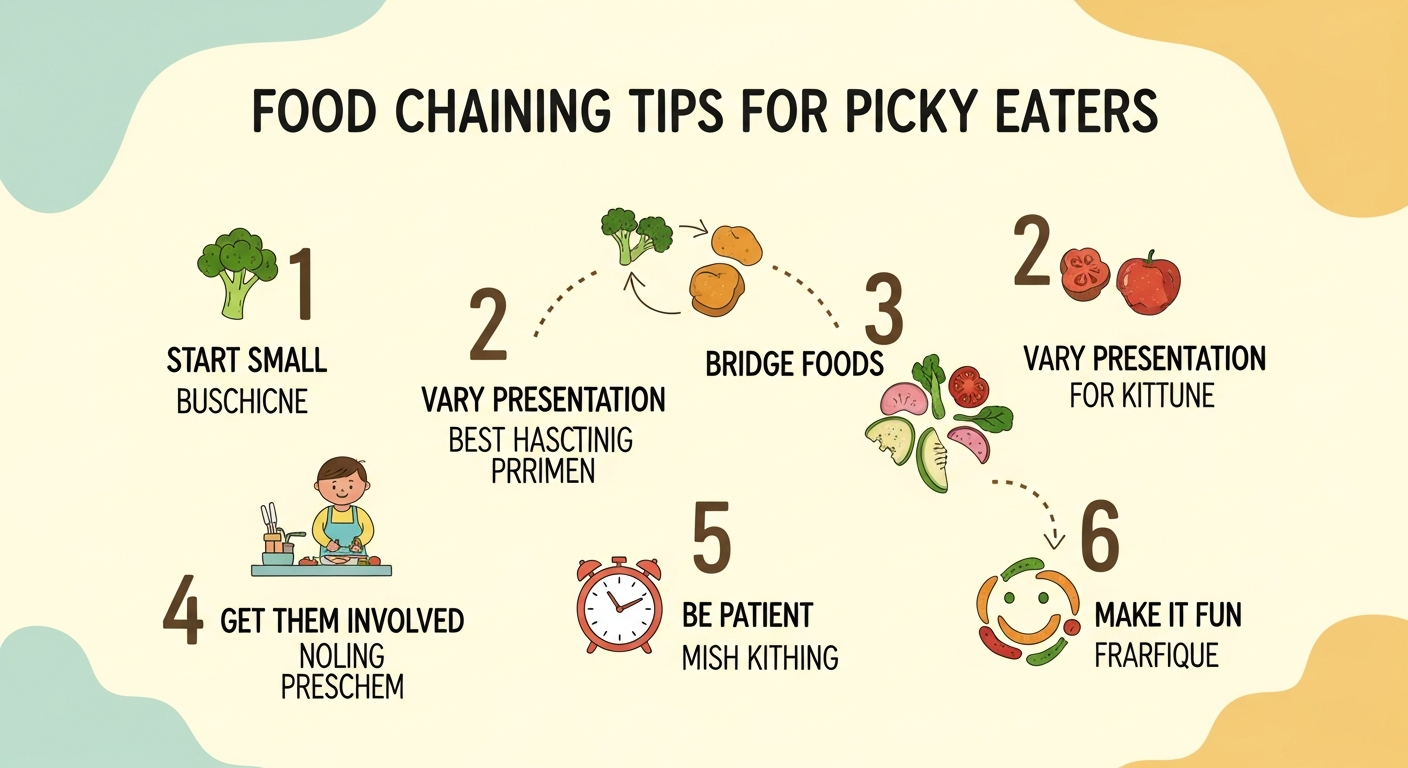
A1: Food chaining is a creative, step-by-step approach that gently expands a picky eater’s palate by introducing new foods related to their current favorites. Instead of a food battle, it’s a culinary treasure hunt-connecting familiar flavors, textures, or appearances to slowly unlock new taste experiences. This gradual “taste breadcrumb trail” eases anxiety and builds confidence at mealtime.
Q2: How do I start creating a food chain for my picky eater?
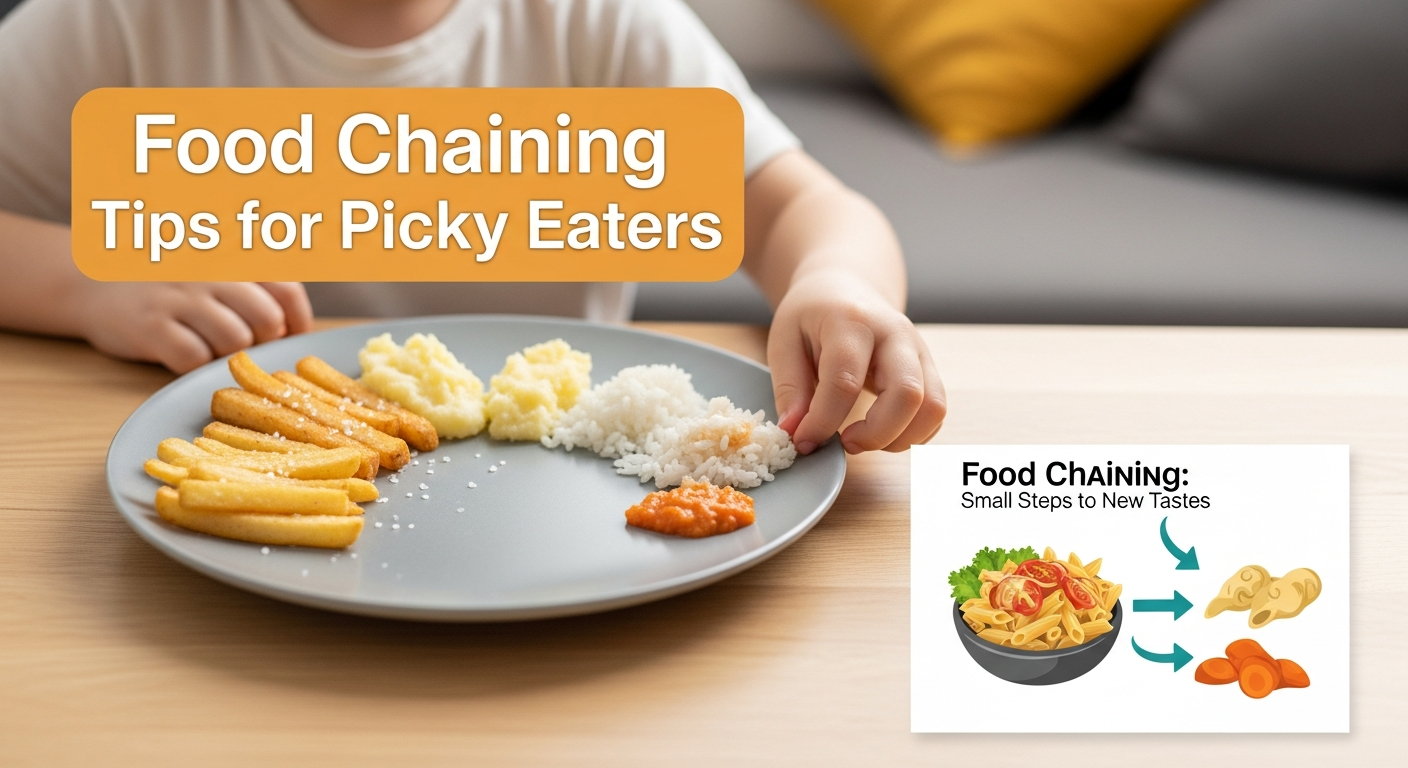
A2: Begin by identifying your child’s most cherished foods-the “anchor foods.” Next, pick one new food that shares characteristics with this anchor, such as the same flavor profile, texture, color, or shape. For example, if your child loves plain pasta, try adding a mild cheese or a sauce with similar textures. The key is stepwise exploration, not overwhelming leaps.
Q3: Can food chaining work for textures as well as flavors?
A3: Absolutely! Texture is often a huge factor in food aversions. If a picky eater rejects crunchy vegetables, you might introduce softer cooked forms first, then move towards firmer or raw versions later. Think of it as a texture staircase-ascending slowly from cozy softness to new sensations without pressure.
Q4: What if my child refuses to try the new food in the chain?
A4: Patience is your secret weapon. Sometimes repeated gentle exposure-without pressure to eat-is enough to soften resistance. Offer the new food alongside a beloved one, or even use play and storytelling to create positive associations. Remember, food chaining is a marathon, not a sprint.
Q5: Are there any foods that work best as “bridges” in a food chain?
A5: bridge foods often share multiple sensory elements with both the anchor and the target food. Mildly flavored, familiar items like plain rice, potatoes, or yogurt can be versatile stepping stones. Also, “blended” or mixed forms, like smoothies or casseroles, can blend ingredients in a palatable way that bridges gaps in taste or texture.Q6: How long does it usually take to see progress with food chaining?
A6: It varies widely-some children warm up to new foods in days, others take weeks or months.The goal is consistent, positive experiences rather than rapid change. Celebrate small victories: smelling a new food, touching it, or simply sitting at the table together. Every step forward is a delicious success.
Q7: Can food chaining be used with adults who struggle with picky eating or sensory sensitivities?
A7: Definitely! While food chaining is often associated with children,adults can benefit too. Exploring new tastes or textures through gradual connections can transform mealtime from stressful to adventurous. The key is curiosity and a willingness to experiment in bite-sized steps.
Q8: Where can I find resources or professional help to support food chaining?
A8: many speech therapists, occupational therapists, and dietitians specialize in feeding strategies like food chaining. Books, online communities, and workshops can also offer inspiration and tips. Seeking guidance ensures your food adventure is safe,effective,and tailored to your eater’s unique needs.
Unlocking tastes through food chaining transforms mealtime challenges into opportunities for discovery. With creativity, compassion, and a personalized plan, picky eating can blossom into a colorful menu of possibilities. Bon appétit on your flavorful journey!
The Way Forward
As we’ve uncovered, food chaining isn’t just a strategy-it’s a culinary adventure that gently guides picky eaters from familiar flavors to exciting new tastes, one bite at a time.By embracing patience, creativity, and a sprinkle of persistence, you can transform mealtime battles into opportunities for exploration and growth. Remember, every tiny step forward is a victory worth celebrating. So, let curiosity be your compass and food chaining your map, unlocking a world of flavors that once seemed out of reach. Here’s to expanding palates and nourishing both body and spirit-with every bite!